What Every Visitor to Malang Should Know About Local Manners

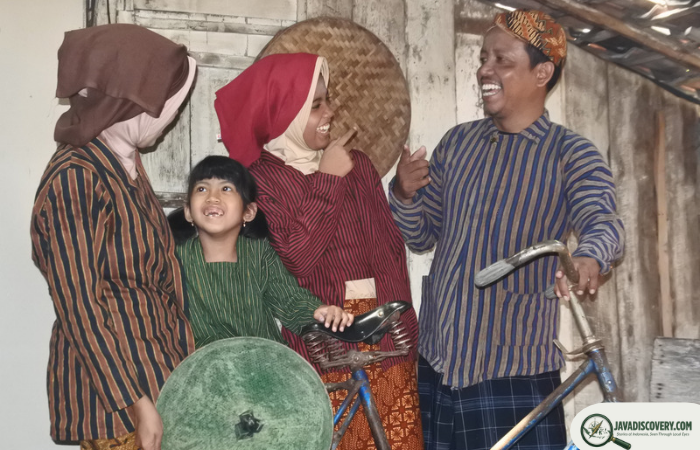
The morning air in Malang is cool enough to make a first-time visitor reach for a jacket. A vendor ladles hot soup into a bowl, a motorbike taxi driver calls out a cheerful greeting, and a student in a university sweatshirt breaks into laughter at some joke you did not catch. You smile, then hesitate. Do you shake hands? Nod? Say something? Nobody has told you the rules.
The good news is that Malang is forgiving toward sincere visitors. The better news is that a little knowledge turns polite curiosity into real connection. Etiquette here is less a rulebook than a rhythm, and learning it is one of the quickest ways to see the city as its residents do.
Understanding Malang’s Arek Character
Malang sits in the highlands of East Java, ringed by volcanic peaks and cooled by its elevation. Culturally, it belongs to the Arek region, which also includes Surabaya and their surroundings. It is not part of Mataraman East Java, the western belt of Madiun, Kediri, and Blitar, which lies closer to the court culture of Central Java.
That distinction matters for travelers. Many guidebooks describe a Java of soft voices, layered politeness, and elaborate deference, a picture drawn largely from the courts of Yogyakarta and Solo. Arek culture is commonly described as more egalitarian and more direct, with a love of banter, blunt humor, and open conversation.
Respect for elders and hosts is still very much alive. But you are more likely to meet teasing warmth than ceremonial formality, and you do not need to perform an elaborate etiquette to be welcome.
Malang is also a mixed city. It is home to large student populations, Muslim and Christian congregations, a Chinese-Indonesian community, and residents with family roots in Madura and other parts of the archipelago. Assume that manners vary from person to person, and let your host’s behavior guide yours.
Greetings, Names, and First Impressions
Handshakes and the Right Hand
A light handshake with a smile is a perfectly acceptable greeting in most situations. Many people follow it by touching their hand briefly to their chest, a gesture of sincerity.
Some devout Muslims, men and women alike, avoid physical contact with the opposite gender. The easy solution is to wait for the other person to extend a hand. If they do not, a nod and a hand on your heart is a graceful reply.
The right hand is customarily used for giving, receiving, eating, and paying. The left is traditionally associated with bathroom hygiene. You will not cause offense by being left-handed, but passing a gift or a banknote with your right hand is a small courtesy that people notice.
Mas, Mbak, Pak, and Bu
Forms of address do a lot of social work in Malang. Mas is a respectful term for a man slightly older than you or of similar age, literally akin to “older brother.” Mbak is its counterpart for a woman, akin to “older sister.” Pak and Bu address an older man and woman, roughly “Sir” or “Mr.” and “Madam” or “Mrs.”
Using these terms with warmth, even imperfectly, signals that you see the person in front of you. Calling a waiter Mas or a market seller Bu will usually bring a smile.
Language and the Playful Spirit of Boso Walikan
Malang is famous for boso walikan, a form of slang in which words are spelled or pronounced in reverse. The city’s own name becomes Ngalam, and residents often refer to themselves as Kera Ngalam, a reversal of arek Malang, meaning “Malang kids” or “people of Malang.” The football supporters’ identity Arema is likewise commonly traced to arek Malang.
Walikan is more than a game. It is a marker of belonging, a way of speaking that says “we are from here.” Visitors are not expected to speak it, and clumsy attempts can come across as mockery if you are not careful. Listening, smiling, and asking what a word means is a better approach.
A few words of Indonesian go a long way. Terima kasih means thank you. Permisi means excuse me. Maaf means sorry. Enak means delicious, a word that will win you friends at any warung. Even if your pronunciation wavers, the effort is appreciated.
Dress, Mosques, and Sacred Spaces
Everyday Modesty
Malang is a university city, and casual dress is common among younger residents. Still, the majority of the population is Muslim, and modest clothing is the safest and most respectful choice in the city. Covered shoulders and knees are a sensible baseline, particularly in traditional neighborhoods, markets, and on public transport.
Beach-style clothing is better left for resorts and swimming areas. In the cooler hills around Batu, the weather will help you dress modestly anyway.
Visiting Mosques, Churches, and Temples
Malang’s religious life is visible in its landscape. Mosques and churches are found around the central square, and the city also has a historic Chinese temple. Visitors are generally welcome in houses of worship, but it is courteous to ask first, especially during services.
Remove your shoes where others do, cover your shoulders and knees, and keep your voice low. Women may be asked to wear a head covering in mosques. Ask before taking photographs of worshippers or ceremonies, and never photograph people while they are praying.
Ramadan and the Call to Prayer
During Ramadan, the Islamic fasting month, many Muslims abstain from food and drink between dawn and sunset. Visitors are not expected to fast, but eating, drinking, or smoking discreetly in front of fasting people is considerate. Some small eateries close during the day or hang a curtain across the front, then fill with life after sunset.
Throughout the year, the call to prayer rises from mosques five times a day, the first before dawn. It is part of the soundscape of the city, not an interruption. Pausing a loud conversation while it sounds is a quiet gesture of respect.
At the Table and in the Home
If someone invites you to their home, accept if you can. Hospitality is a point of pride, and your host may insist that you eat or drink. Refusing outright can feel abrupt, so it is gracious to take at least a small taste or sip, even if you politely decline more.
Remove your shoes at the entrance unless you are told otherwise. Wait for the host to say silakan, an invitation meaning “please, go ahead,” before you begin eating. Use your right hand when eating with your fingers, and your spoon in your right hand when using cutlery.
Evenings in Malang often include cangkrukan, a local way of sitting and chatting, usually over coffee or snacks at a roadside stall. It is not a performance or a schedule, simply time spent together. If you are invited to join, you are being offered something more valuable than a meal.
If you are unsure whether a dish is halal, ask politely rather than assuming. Alcohol and pork are less visible in everyday eateries than in tourist areas, and many places serve neither.
In traditional markets, bargaining is expected in many stalls, but it is a friendly exchange, not a contest. Smile, make an offer, and accept graciously when you reach an agreement. Where prices are posted, as in shops and many restaurants, do not haggle.
Photography, Politics, and Sensitive Topics
Malang is photogenic, from colonial-era streets to hillside villages, but people are not scenery. Ask before photographing individuals, especially women, children, and elders, and respect a refusal without argument. Many residents will happily pose and then ask to see the result.
Be careful with topics that are personal or painful: religion, party politics, and the violent episodes of Indonesia’s past, including the mass killings of 1965 and 1966. These are better listened to than debated. Let your hosts bring them up if they wish.
Football deserves particular sensitivity. Arema FC is a deep source of local identity, and the 2022 Kanjuruhan Stadium disaster, in which more than 130 people died, remains a raw wound for many. Treat the club and its supporters with respect, and avoid jokes or casual commentary about the tragedy.
Beyond the City, Batu, the Highlands, and Tengger Communities
Many travelers use Malang as a base for the surrounding mountains, including the Bromo highlands. Here, etiquette changes. The Tengger people are a distinct community with their own customs and faith practices, and some Tengger villages lie within Malang Regency itself. City habits should not be assumed to apply.
Ceremonies and sacred sites are living parts of community life, not attractions. Ask a local guide or villager before entering a temple, shrine, or ritual gathering, follow their instructions about where to stand and what to wear, and ask permission before taking photographs. Visitors who arrive humbly are generally treated as guests.
In Malang, manners are less about getting everything right than about paying attention. Notice how people greet one another, how they sit, how they share a table, and then follow quietly. A small gesture of respect, offered sincerely, often opens the door to the warmest conversations of your journey.
Writer: Sari Mahendra