Last Copper Smelters of Tumang Hand Hammering Brass Merapi

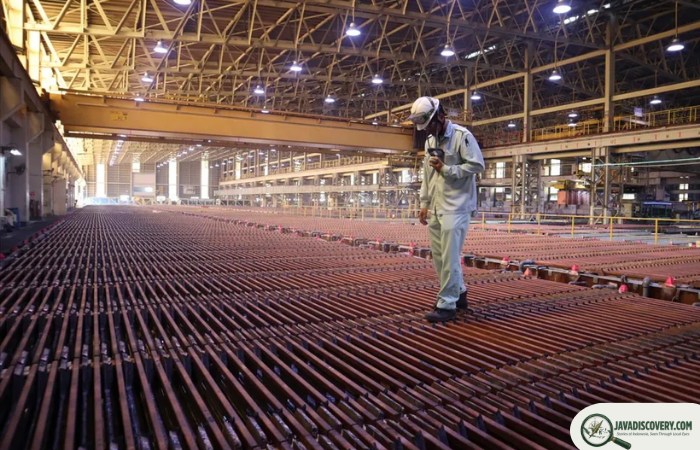
javadiscovery.com – A sharp, rhythmic metallic ring echoes through the narrow, stone-paved alleys of Tumang, a high-altitude hamlet nestled on the eastern slopes of Mount Merapi in Boyolali Regency, Central Java. Long before the morning sun pierces through the cool volcanic mist rolling down from Merapi’s smoldering peak, the village is already alive with the sound of thousands of hammer strikes against solid metal. Here, inside open-air backyard workshops lit by the orange glow of roaring charcoal hearths, master coppersmiths and foundry workers transform cold sheets of copper and brass into breath-taking works of art. Known across Indonesia as the historical heartland of Javanese metalworking, Tumang represents a living heritage where ancient metallurgy, hand-hammering techniques, and raw physical endurance continue to thrive in the shadow of Java’s most active volcano.
Centuries of Metal and Fire: The Heritage of Tumang
The story of Tumang’s deep connection with copper and brass dates back to the late 16th century during the reign of the Mataram Sultanate. According to local oral history passed down through generations of artisans, the village was designated as a royal metalworking center by court craftsmen who sought the cooler, high-altitude climate and abundant timber fuel of Merapi’s slopes to process metals for royal palaces in Surakarta and Yogyakarta:
- Royal Metallurgy Patronage: Early Tumang smiths forged ceremonial gongs, oil lamps, copper cooking vessels (*kuali*), and intricate palace ornaments for Javanese royalty, mastering the precise heat control required to soften tough copper alloys.
- Volcanic Proximity and Craft Resilience: Living on the flanks of an active volcano shaped a uniquely resilient community culture. Ash fall from Merapi’s periodic eruptions is routinely swept from workshop roofs, only for artisans to return immediately to their anvils and forge hearths.
- Intergenerational Knowledge Transfer: Unlike modern industrial foundries, Tumang’s coppersmithing techniques are not learned from textbooks, but inherited through rigorous hands-on apprenticeships from father to son, preserving centuries of subtle metal-shaping secrets.
The Craft Process: From Cold Metal Sheets to Sculpted Masterpieces
Creating a large copper or brass sculpture, intricate dome panel, or traditional water vessel in Tumang is an exhausting, multi-stage physical process that demands absolute precision, teamwork, and an intimate understanding of metal thermodynamics:
- Annealing over Open Hearth (*Pembakaran*): Raw copper or brass sheets are first heated over glowing charcoal hearths fueled by foot-operated or mechanical bellows. Heating the metal to a glowing red heat—a process known as annealing—alters its crystalline structure, making the rigid metal soft and pliable.
- Manual Shaping and Hand-Hammering (*Tempa*): Once softened, teams of two or three smiths swing heavy steel hammers in synchronized cadence, striking the hot metal against heavy iron anvils or shaped wooden blocks to form smooth curves, deep basins, or seamless cylindrical shapes.
- Repoussé and Chasing (*Pahat Motif*): To create delicate relief patterns, traditional floral arabesques, or intricate calligraphy, artisans fill the interior of the hollowed copper shape with warm pine resin or pitch. Once cooled, pitch provides a firm yet yielding support while master carvers use small steel chisels (*pahat*) to punch detailed raised designs directly onto the exterior surface.
- Acid Washing and Chemical Patination: Finished pieces are washed in natural citrus baths or sulfur solutions to remove forge scale, revealing a warm, lustrous metallic sheen or creating specialized aged-bronze patinas prized in architectural design.
Sustaining Traditional Artistry in a Mass-Produced World
In an era dominated by automated factory stamping machines and cheap plastic substitutes, Tumang’s hand-hammered copper and brass products remain globally renowned for their unmatched structural integrity, tactile texture, and unique artistic soul:
- Architectural Wonders and Mosque Domes: Tumang’s master smiths are world-famous for crafting massive, hand-hammered copper mosque domes (*kubah tembaga*), grand chandeliers, and expansive decorative wall cladding installed in luxury hotels, royal palaces, and sacred spaces across the Middle East, Europe, and Asia.
- Economic Backbone of Boyolali: Over seventy percent of Tumang’s residents are directly involved in the copper and brass economy—from metal sheet importers and hearth builders to master carvers and international exporters—creating a thriving, self-sustaining rural industrial cluster.
- Eco-Friendly Metal Recycling: Modern Tumang workshops heavily incorporate recycled copper scrap, old wiring, and reclaimed industrial brass fittings, melting them down in local crucibles to reduce environmental impact while preserving precious raw mineral resources.
Preserving the Fire of Merapi’s Artisans
The coppersmiths of Tumang stand as living guardians of Java’s rich metallurgical heritage. Standing beside their glowing hearths with sweat on their brows and heavy hammers in hand, they continue to turn raw, cold metal into living art—proving that human skill, patience, and tradition still outshine the machine.
High on the slopes of Merapi, as night falls and the volcano’s silhouette fades into darkness, the ringing of hammers in Tumang continues—a timeless, beating pulse at the physical and cultural heart of Central Java.