Traditional Umbrella Makers Juwiring Paper Bamboo Parasols Java

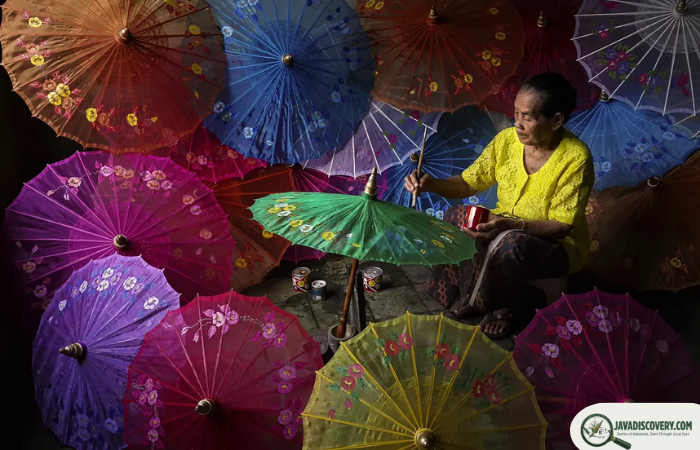
javadiscovery.com – A gentle, rhythmic whittling sound echoes through the breezy open workshops of Juwiring, a rural sub-district tucked inside Klaten Regency, Central Java. Located between the historic royal court cities of Surakarta and Yogyakarta, this tranquil district has served for centuries as the traditional crafting center for Java’s iconic hand-carved paper and bamboo parasols (*payung kertas*). Here, beneath drying racks laden with vibrant yellow, crimson, and gold canopies, master umbrella crafters (*pengrajin payung*) assemble ceremonial sunshades using entirely natural materials: seasoned bamboo, hand-beaten bark paper (*dluwang*), cotton thread, and natural tree resins. In Javanese culture, the parasol is far more than a practical shield against equatorial rain or harsh sunlight; it is a profound symbol of royal sovereignty, spiritual protection (*payung agung*), and social hierarchy that has accompanied Javanese aristocracy and sacred rituals since the era of classical inland kingdoms.
Feudal Hierarchy and Sacred Cosmology: The Payung Agung
The history of Juwiring’s umbrella making is intertwined with the royal courts (*kraton*) of Surakarta and Yogyakarta. During the Mataram Sultanate, parasols served as strict visual indicators of royal status, spiritual authority, and court rank, governed by unwritten royal codes:
- Color-Coded Nobility: A golden parasol (*payung emas*) was reserved exclusively for the reigning Sultan or Susuhunan. Yellow parasols designated royal princes, white represented high religious scholars (*ulama*) and ancestral spirits, while green and black parasols were assigned to regional governors (*bupati*) and court officials.
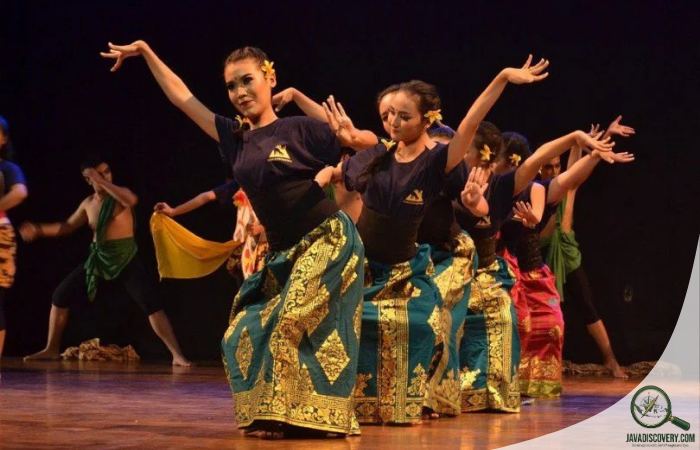
- Spiritual Shelter: Beyond rank, the parasol represents spiritual shelter (*shelter of the divine*). During royal funerary processions, sacred *keris* rituals, and court dances like the *Bedhaya*, elaborate parasols are held over sacred items and dignitaries to shield them from negative unseen energies.
- Juwiring as Royal Supplier: Juwiring’s villages, particularly Tanjung and Kenaiban, were designated by the royal courts as specialized artisan hubs tasked with supplying handcrafted ceremonial parasols for state occasions and royal ancestral tombs (*Imogiri*).
The Intricate Architecture of a Handcrafted Parasol
Crafting a traditional Juwiring paper umbrella is a highly collaborative, multi-stage process that requires meticulous woodworking, hand-weaving, and artistic brushwork across specialized village households:
- 1. Whittling the Bamboo Frame (*Pengerjaan Rangka*): Artisans harvest mature *Awi Tali* or *Awi Petung* bamboo, boiling and drying the culms to prevent beetle infestation. Master carpenters shape the central pole (*pusat*) and split the bamboo into dozens of razor-thin, flexible ribs (*jari-jari*) connected to a carved wooden hub (*nyawa*).
- 2. Intricate Thread Weaving (*Sulam Thread/Rajutan*): To lock the bamboo ribs securely around the central pole, women weavers use fine cotton threads to weave intricate geometric web patterns (*rajutan*) beneath the canopy, creating a kaleidoscope of colorful threadwork visible when the parasol opens.
- 3. Attaching the Canopy (*Penebalan/Pelekatan*): The frame is covered with sheets of strong, handmade tree-bark paper (*dluwang*) or heavy cotton cloth. Artisans adhere the material to the bamboo ribs using natural waterproof glazes made from boiled tapioca starch and persimmon fruit juice.
- 4. Hand-Painting and Lacquering (*Melukis & Vernis*): Once dry, master painters apply traditional Javanese motifs—including floral arabesques, golden dragons, or court emblems—onto the canopy surface. The umbrella is sealed with natural wood resins or linseed oil, rendering it water-resistant and glossy.
Adapting a Regal Heritage to the Modern World
As modern plastic and steel folding umbrellas dominated mass consumer markets in the late 20th century, Juwiring’s traditional parasol industry faced sharp economic declines. However, a dedicated movement of local master artisans and cultural preservationists has successfully revitalized the craft:
- Festival and Cultural Tourism Renaissance: Juwiring parasols are now featured prominently in national heritage events, such as the annual *Festival Payung Indonesia*, theatrical dance performances, and traditional wedding ceremonies across the archipelago.
- Global Architectural and Interior Demand: Contemporary interior designers, luxury eco-resorts in Bali, and international art collectors frequently commission custom Juwiring parasols for high-end tropical landscape design and artistic installations.
- Eco-Friendly Craft Model: Built entirely from biodegradable bamboo, natural paper, cotton thread, and plant adhesives, Juwiring’s parasols represent an enduring model of zero-waste, sustainable Javanese craftsmanship.
Preserving the Sacred Canopy of Klaten
Inside the breezy workshops of Juwiring, as master artisans spin turned wooden handles and stretch brightly painted paper canopies over bamboo ribs, the ancient art of the Javanese parasol continues to flourish. By preserving the exacting techniques of royal umbrella making, Juwiring’s crafters ensure that Java’s rich legacy of elegance, protection, and courtly majesty remains open to the world.