Mask Carvers of Bobung Woodwork Spirits Performance Jogja

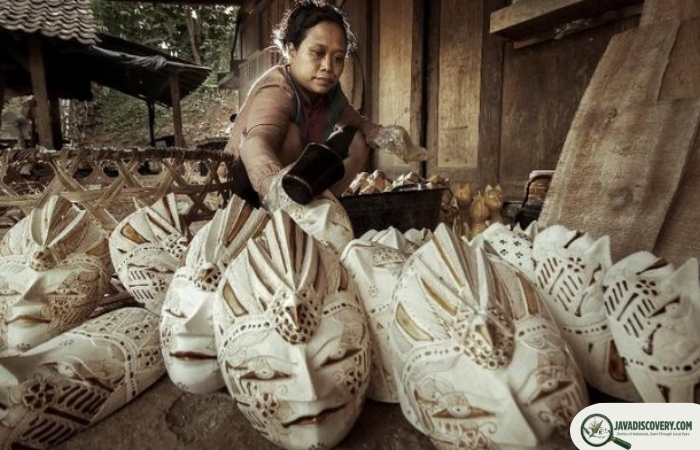
javadiscovery.com – A soft, rhythmic scraping of steel against pale wood echoes beneath the tiled eaves of Bobung, a peaceful craft hamlet tucked inside the rugged limestone hills of Gunungkidul Regency, east of Yogyakarta. High above the agricultural plains, where dry teak forests meet winding country roads, the morning air smells of sandalwood, raw timber, and wood finish. Cross-legged on shaded porches, master mask carvers (*pengrajin topeng*) manipulate blocks of lightweight pule timber (*Alstonia scholaris*), holding sharp curved gouges and fine chisels with steady hands. Here, in the heartland of Javanese wooden mask carving, artisans bring ancestral characters to life for the ancient *Wayang Topeng* (masked dance drama). In Bobung, mask carving is far more than an ornamental woodcraft; it is a spiritual synthesis of forest harvesting, precise sculpture, and sacred performance that has defined regional Javanese culture for centuries.
Origins in Sacred Drama: The Legacy of Wayang Topeng
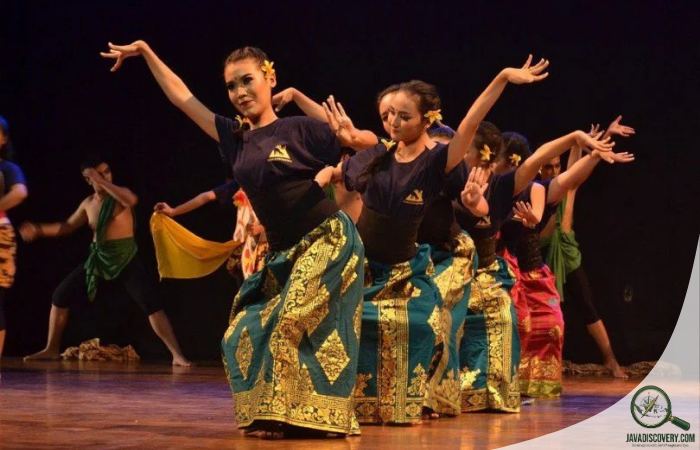
The history of wooden mask carving in Bobung is tied to the survival of *Wayang Topeng Panji*, a classical dance-drama cycle celebrating the heroic adventures, romances, and spiritual trials of Prince Panji Asmoro Bangun and Princess Candra Kirana from the 12th-century Kediri Kingdom:
- Court Patronage and Village Preservation: Originally performed inside royal palaces (*kraton*) of Yogyakarta and Surakarta to teach moral philosophy, masked dances relied on surrounding rural hamlets like Bobung to carve and supply sacred performance masks (*topeng pusaka*).
- Character Typology: Every mask strictly adheres to classical Javanese character iconographies (*pakem*). Refined heroes (*halus*) feature narrow eyes, delicate noses, and calm expressions, while aggressive figures, demons (*raksasa*), and villains (*gagah*) display bulging eyes (*kelapan*), prominent fangs, and wide, menacing grins.
- Spiritual Dimensions: Before a masked dancer puts on a wooden mask, the object is held in deep reverence. The mask acts as a spiritual conduit, allowing the performer to submerge their personal ego and embody the ancestral spirit or archetype represented by the wood.
From Raw Log to Sacred Face: The Sculptural Process
Creating a traditional wooden mask in Bobung requires a deep understanding of timber characteristics, sharp tool mastery, and exacting hand-painting techniques passed down through generations:
- 1. Timber Selection and Seasoning: Artisans primarily use *pule* wood or *sengon* (*Albizia chinensis*). *Pule* is prized because it is light in weight, easy to carve, and resistant to cracking under humid tropical conditions. Harvested logs are sliced into blocks and thoroughly dried to prevent internal moisture rot.
- 2. Rough Carving (*Mbakal*): Using small hand axes (*pethel*) and straight chisels, the master carver roughs out the general facial oval, carving the deep hollow interior so the mask fits comfortably against a dancer’s face. A small bite-block or leather strap groove is carved behind the mouth area for the performer to hold the mask in place during long dances.
- 3. Facial Detail and Smoothing (*Pahatan Fine*): Fine curved chisels (*pahat penguku*) sculpt intricate eyelids, flowing mustaches, crowns, and delicate nose lines. The surface is sanded repeatedly using natural river sand and dried leaves to achieve a silk-smooth finish.
- 4. Layered Polychrome Painting (*Sunggingan*): The mask receives multiple layers of white primer (*plamir*) made from ground bone or mineral powder mixed with natural binders. Artisans then apply detailed acrylic or mineral paints, following color symbolism: green or white for noble purity, red for anger and passion, and gold leaf (*prada*) for divine royalty.
Modern Adaptations and Global Craft Tourism
While classical performance masks remain the spiritual anchor of Bobung, the village successfully adapted to shifting modern economies during the late 20th century, becoming a major center for artistic woodcraft and eco-tourism:
- Batik Woodcraft Innovation: In addition to classical painted masks, Bobung’s artisans pioneered *topeng batik* (batik wooden masks). Using traditional copper canting tools and hot beeswax, carvers draw intricate Javanese batik patterns directly onto the wooden faces before applying natural dyes, creating a unique hybrid of sculpture and textile art.
- Decorative Interior Art: Modern workshops in Bobung craft scaled wall masks, relief panels, and contemporary wooden sculptures commissioned by international art galleries, boutique hotels, and cultural collectors worldwide.
- Community-Based Tourism (*Desa Wisata*): Today, Bobung operates as an official craft tourism village where visitors can watch master carvers at work, learn basic wood chiseling and mask painting, and experience live local *Wayang Topeng* performances.
Preserving the Living Mask Traditions of Gunungkidul
Inside the quiet, wood-scented workshops of Bobung, as master carvers transform raw blocks of pule wood into expressive faces of myth and legend, the soul of Javanese performance art remains vibrant. Through their dedicated craftsmanship and respect for tradition, the mask carvers of Bobung ensure that the timeless stories of Java continue to dance in shadow, color, and light.