Exploring the Highlands of Dieng Plateau

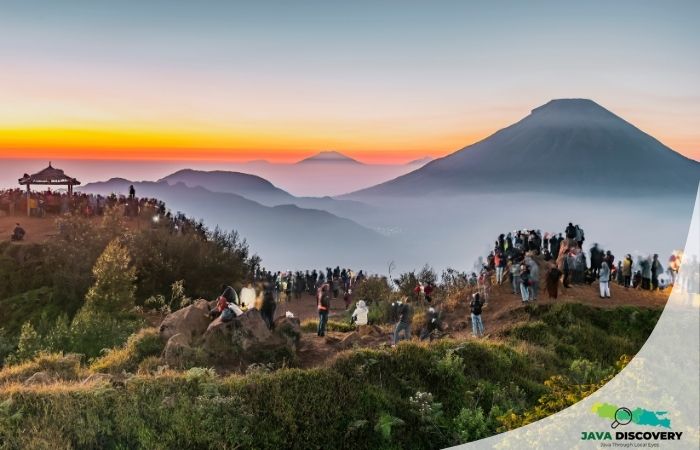
javadiscovery.com – Perched high in Central Java, more than 2,000 meters above sea level, lies a realm often described as “the land above the clouds.” The Dieng Plateau is not merely a destination — it’s an encounter with Java’s spiritual and geological heart. Mist drifts through rolling hills, ancient temples peek from the fog, and the earth itself breathes through steaming craters and bubbling lakes. Here, nature and mythology have lived side by side for more than a millennium.
A Land of Myths and Ancient Gods
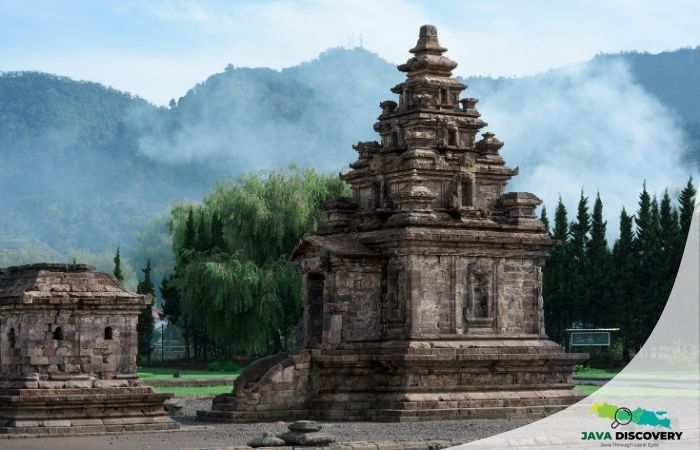
The word Dieng comes from the Old Javanese and Sanskrit words “Di Hyang”, meaning “the Abode of the Gods.” Legend says that this highland was once a sacred place where deities descended to rest among the clouds. During the 8th century, when the Hindu Sanjaya dynasty ruled Central Java, this plateau became a spiritual center. The Arjuna Temple Complex, with its stone shrines and serene courtyards, is among the oldest temple sites in Indonesia — older even than Prambanan. Each temple, carved in simplicity and strength, speaks of devotion to Shiva and the early artistry of Javanese civilization.
Nature’s Theater in the Clouds
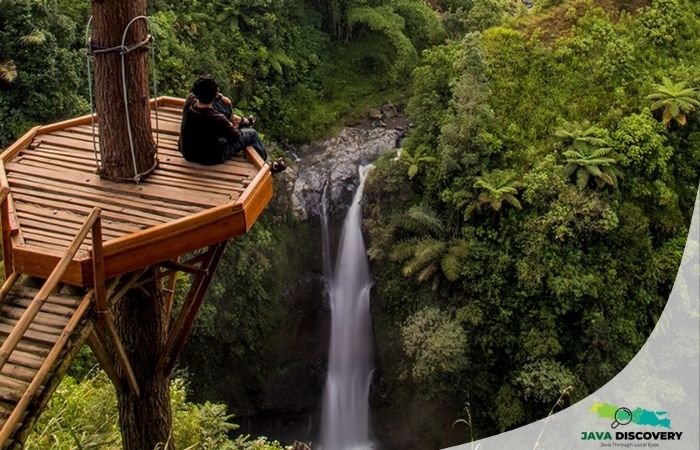
Dieng’s landscape is a stage for elemental drama. Lakes shimmer in changing hues, steam rises from fissures in the ground, and the air carries the scent of sulfur and pine. At Telaga Warna — the “Color Lake” — sunlight refracts through mineral-rich waters, painting surreal shades of turquoise, emerald, and gold. Not far away, Sikidang Crater bubbles and hisses, releasing hot steam that reminds visitors of the island’s volcanic soul. It’s a place where geology, mysticism, and artful chaos coexist in harmony.
The Coldest Place in Java
With its high altitude, Dieng holds the record as the coldest inhabited place in Java. On certain nights between June and August, temperatures drop below zero degrees Celsius, and frost forms over the farmlands — a phenomenon locals call embun upas. The frost sparkles under the morning sun like a blanket of silver, yet it can destroy crops overnight. Still, the farmers endure, planting potatoes and cabbages across terraced slopes, their lives tied to both the blessings and challenges of the highland climate.
Life Among the Clouds
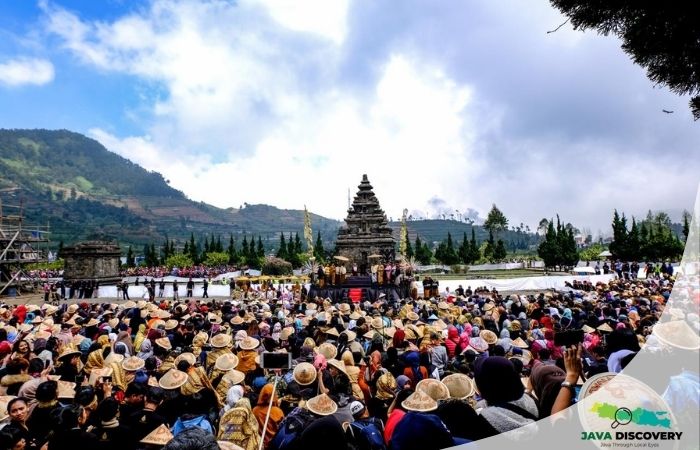
Despite the harsh weather, life thrives in Dieng. Villages scatter across the valleys, their roofs glistening with dew each morning. Children walk through the mist to school, and the laughter of farmers echoes in the distance. Every August, the highland celebrates the Dieng Culture Festival — an extraordinary event that blends tradition, art, and spirituality. The highlight is the ritual hair-cutting ceremony of the anak gimbal — dreadlocked children believed to possess divine blessings. Their hair is ceremonially cut and offered to the gods in gratitude and purification, accompanied by traditional music, lanterns, and prayers rising into the night sky.
Journey to the Plateau
The journey to Dieng is an experience in itself. From Wonosobo, the road climbs through pine forests, vegetable terraces, and quiet villages. The view opens to valleys veiled in mist and hills dotted with temples — a living canvas of Central Java’s soul. The best way to experience Dieng is with a knowledgeable local guide who can reveal its hidden meanings — the myth behind the lakes, the stories whispered by the stones, and the rhythm of life that still beats in these mountains.
Reflection – The Sacred Silence Above the Clouds
In Dieng, silence is sacred. Standing on a ridge as the fog drifts and the first light touches the temples, you may feel as if you’re standing between worlds — between the ancient and the eternal, between myth and memory. Dieng Plateau is not just a place to visit; it is a place to feel. Here, amid cold air and warm hearts, Java’s timeless spirit still lingers above the clouds.