The Revival of Wayang Kulit in the Digital Age

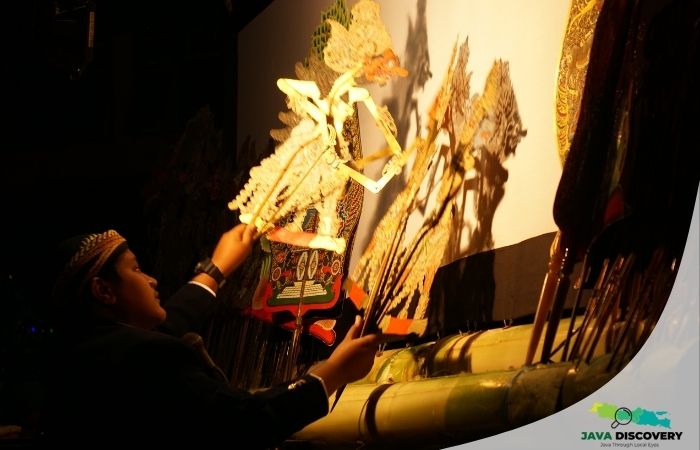
javadiscovery.com – Once performed under the flickering light of an oil lamp, wayang kulit — Java’s timeless shadow puppet theatre — now dances across digital screens. The art that once united villagers in all-night performances is experiencing a quiet but powerful revival in the digital age, proving that even the oldest traditions can adapt, evolve, and inspire a new generation.
The Ancient Soul of Java’s Shadow Theatre
For centuries, wayang kulit has been more than entertainment. It is a mirror of Javanese philosophy — teaching balance between good and evil, humility, and moral reflection. The dalang, or puppet master, is not just a performer but a philosopher, weaving together mythology, politics, and ethics with each movement of the puppets.
Characters like Arjuna, Semar, and Rahwana symbolize human nature’s eternal dualities — bravery and doubt, power and compassion. But in a fast-paced digital world, where attention spans are shrinking, could this intricate storytelling art survive?
When Tradition Meets Technology
The answer, surprisingly, is yes. Across Java, young artists and digital innovators are finding new ways to breathe life into this ancient art form. Modern dalang are now streaming their performances on YouTube and TikTok, using digital projectors instead of traditional lamps, while others are transforming classic puppet figures into 3D animations and video games.
One such example comes from Yogyakarta, where the collective “Wayang Elektrik” combines live gamelan music with LED lighting and multimedia backdrops. The result is a breathtaking fusion of past and future — a digital spectacle that still retains the deep soul of Javanese storytelling.
Wayang Kulit as Digital Education and Cultural Heritage
Beyond entertainment, wayang kulit has also found a new role in education. Indonesian teachers and cultural foundations are using interactive websites and augmented reality apps to teach students about Mahabharata and Ramayana through puppetry. These initiatives not only preserve the craft but also make it accessible to younger audiences who live and breathe digital content.
In 2003, UNESCO recognized wayang kulit as a Masterpiece of Oral and Intangible Heritage of Humanity. Two decades later, this recognition continues to inspire digital preservation efforts — from virtual puppet archives to AI-powered animation that simulates the movements of traditional dalang.
The New Generation of Dalang
Today’s dalang no longer need to inherit the art from their ancestors alone. Many have found mentorship online through video tutorials and digital communities dedicated to wayang appreciation. The new wave of performers includes university students, designers, and musicians who reinterpret traditional stories to comment on modern issues — climate change, corruption, or social harmony — while still using the ancient language of shadows.
These storytellers prove that tradition is not about resisting change, but about evolving with time. Their digital performances reach global audiences, turning wayang kulit from a local ritual into an international symbol of cultural resilience.
Preserving Shadows, Projecting the Future
The revival of wayang kulit in the digital age is more than nostalgia; it is a renaissance. It shows how Java’s cultural identity can thrive amid technology, as long as the heart of the story remains true. Whether performed under a blencong lamp or a projector beam, the shadows of wayang kulit continue to whisper the wisdom of Java — ancient, poetic, and forever alive.
As the screen glows and the puppets move once more, one truth becomes clear — in Java, the light of tradition will always find a way through the shadows.