Shell Crafters of Situbondo Coastal Marine Art Java

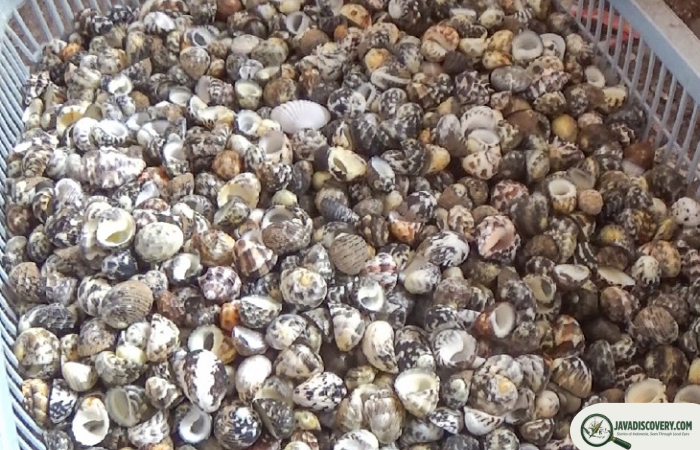
javadiscovery.com – A salty maritime breeze sweeps across the sun-drenched coastal strip of Situbondo Regency, along the northeastern coast of East Java. Framing the narrow corridor between the calm, turquoise waters of the Madura Strait and the rugged volcanic slopes of Mount Baluran, this coastal region is defined by its intimate relationship with the sea. Here, inside open-air bamboo workshops situated steps from sandy shores, the air smells of sea salt, dry coral sand, and natural polish. Seated surrounded by baskets of gleaming sea snail shells, nacre-rich mother-of-pearl, and weathered bivalves, master shell crafters (*pengrajin kerang*) sort, carve, grind, and assemble ocean treasures. In Situbondo, what began as a humble coastal pastime has evolved into a sophisticated, world-renowned craft tradition where local artisans transform discarded marine shells into intricate chandeliers, inlaid furniture, delicate jewelry, and elaborate marine sculptures.
Coastal Bounty: The Natural Palette of the Madura Strait
Situbondo’s rise as East Java’s coastal shell-craft capital is inextricably linked to its unique marine geography. The warm, nutrient-rich coastal waters and extensive coral reef ecosystems surrounding Pasir Putih and Panarukan supply a remarkable variety of natural sea shells, each offering distinct colors, textures, and luminescent qualities:
- Kerang Simping (Windowpane Shells): Prized for their flat, translucent white structure. Artisans cut and frame *simping* shells to make ambient lampshades, delicate room dividers, and glowing window panels that softly diffuse light.
- Kerang Mutiara (Mother-of-Pearl / Nacre): Harvested from local pearl oyster shells, the iridescent interior lining (*nacre*) provides luminous rainbow hues used for high-end furniture inlays, jewelry boxes, and decorative wall mosaics.
- Kerang Dara and Kerang Gonggong: Thick, textured shells utilized for structural foundations, sculptural bases, and detailed relief carvings of marine life.
- Sustainable Coastal Collection: Local crafters emphasize the use of naturally shed shells washed ashore by ocean tides or collected as eco-friendly byproducts from coastal fishing catches, ensuring living reef ecosystems remain protected.
Precision and Patience: The Delicate Crafting Process
Transforming raw, barnacle-encrusted sea shells into smooth, luminous works of art requires immense patience, rigorous safety precautions, and precise tool control:
- 1. Soaking and Chemical Neutralization (*Pembersihan*): Raw shells are soaked in mild citric acid and saltwater solutions to remove algae, mineral crusts, and sea odors without dulling the shell’s natural calcium carbonate luster.
- 2. Precision Cutting and Shaping (*Pemotongan*): Using fine diamond-tipped saws and rotary grinding wheels, artisans slice thick shells into delicate shapes—petals, geometric tiles, or fine mosaic strips. Crafters wear specialized respirators to protect against fine calcium dust.
- 3. Grinding and Nacre Polishing (*Penggosokan*): Outer rough layers are carefully ground down to expose the brilliant, iridescent mother-of-pearl underneath. The surfaces are polished using fine pumice powder and soft leather wheels to achieve a glass-like sheen.
- 4. Assembly and Inlay (*Perakitan & Inlay*): Artisans meticulously fit thousands of polished shell pieces together using natural resins or brass wires, building multi-tiered hanging chandeliers, mosaic tabletops, or intricate animal figurines.
Sustaining Coastal Economies and Global Artistry
In Situbondo’s coastal fishing hamlets, the shell-craft industry serves as a vital economic pillar, providing alternative livelihoods that complement seasonal fishing cycles:
- Empowering Coastal Communities: Shell-craft cooperatives provide stable, year-round income for fisherfolk families, particularly women who specialize in fine sorting, threading, and detailed shell mosaic assembly.
- International Design Export: Situbondo’s marine creations are exported widely to luxury beach resorts, interior design studios, and art collectors across Europe, the Middle East, and North America.
- Eco-Conscious Tourism at Pasir Putih: Travelers visiting Situbondo’s famous Pasir Putih beach can explore workshop showrooms, meet master shell sculptors, and learn about marine conservation alongside coastal art traditions.
Preserving the Shimmering Heritage of East Java
Inside the coastal workshops of Situbondo, as polishing wheels hum and shell chandeliers catch the warm afternoon sunlight, local artisans continue to honor the gifts of the sea. By turning natural ocean treasures into timeless art, the shell crafters of Situbondo preserve the vibrant, shimmering soul of Java’s coastal heritage for the world to admire.