How to Travel Across Java by Train Comfortably


javadiscovery.com – Travel across Java by train is one of the most comfortable and scenic ways to explore Indonesia’s most populous island. As the train glides past rice fields, volcanoes, and small towns, you witness Java’s true rhythm — a living blend of culture, nature, and everyday life. This guide reveals how to make your Java train travel both relaxing and memorable.
The Allure of Train Journeys in Java
There’s something uniquely peaceful about traveling across Java by train. You move through ever-changing landscapes — from Jakarta’s skyline to the misty highlands of Bandung, the cultural heart of Yogyakarta, and the coastal calm of Banyuwangi. Unlike planes or buses, trains let you see the island’s heart through its villages and open countryside, offering an intimate view of Java’s life and land.
Understanding Java’s Train Network
The backbone of Kereta Api Indonesia (KAI) stretches over a thousand kilometers, connecting Java’s west and east. From Jakarta to Banyuwangi, routes pass through major cities like Bandung, Yogyakarta, Solo, Surabaya, and Malang. These trains run daily with reliable schedules, making it easy for travelers to experience both the modern and traditional sides of Indonesia. Whether you’re commuting for a few hours or embarking on a full cross-island adventure, the network offers flexibility and accessibility.
Choosing the Right Class and Train Type
When you plan to travel across Java by train, understanding the different classes helps you find your ideal comfort level. Economy class provides basic facilities and the liveliest atmosphere, often filled with locals and families. Business class adds more space and air conditioning, while Executive class offers reclining seats, meal service, and cleaner restrooms — ideal for long-distance comfort. All classes, however, share one thing: a shared window into Java’s everyday life.
Best Scenic Routes Worth Taking
Jakarta to Bandung: This short journey winds through the cool hills of West Java, with panoramic views of tea plantations and valleys. The train passes through tunnels and bridges that showcase the engineering marvels of the Dutch colonial era.
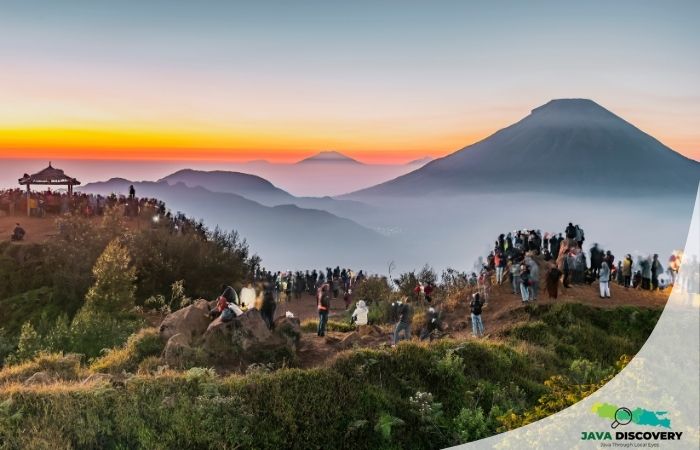
Yogyakarta to Malang: This route takes you through Central Java’s cultural landscapes, where ancient temples, villages, and volcanoes like Merapi and Semeru line the horizon. It’s a journey through both history and beauty.
Surabaya to Banyuwangi: Known for its coastal scenery, this eastern route offers glimpses of fishermen, mangroves, and rice terraces glowing in the morning light — a perfect way to end your Java adventure before crossing to Bali.
Tips for a Comfortable Train Journey
To enjoy your Java train travel to the fullest, plan ahead. Book your tickets early using the official KAI website or mobile app, especially during holidays. Choose a window seat for the best views, and pack light essentials such as a jacket, power bank, and snacks. Long routes are equipped with dining cars and clean restrooms, and you can even pre-order meals. For overnight journeys, bring a neck pillow and eye mask for extra comfort.
Local Encounters and Cultural Moments
Every journey to travel across Java by train is also a cultural experience. You may share a conversation with a local farmer, enjoy instant coffee sold by friendly onboard vendors, or hear folk music playing softly from someone’s phone. These simple, human moments create the kind of memories that no flight could ever match. They reflect the warmth and hospitality that make Indonesia truly special.
Final Reflections
When you travel across Java by train, you don’t just move through places — you move through stories. Each stop has its own rhythm, from city lights to silent rice paddies under the setting sun. The train offers not only comfort but connection: to landscapes, to people, and to the timeless spirit of Java itself.