Ancient Road Systems That Connected Java’s Kingdoms


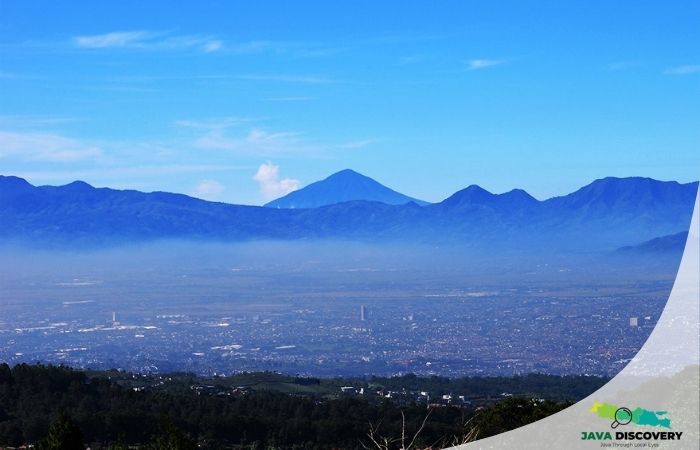
javadiscovery.com – At first light, when mist still lingers over terraced fields and the distant outline of a volcano begins to sharpen against the sky, a narrow path comes alive with movement. A farmer walks with tools over his shoulder. A trader follows with goods wrapped in cloth. Somewhere farther along, a messenger moves quickly, carrying words meant for distant ears. The path beneath their feet is worn, uneven, and quiet, yet it holds the memory of countless journeys.
Long before asphalt roads and motor vehicles transformed the landscape, Java was already connected by an intricate network of pathways. These ancient road systems were not engineered in the modern sense, yet they formed the backbone of movement across the island. They linked villages to markets, connected kingdoms to their territories, and allowed goods, ideas, and authority to travel across diverse terrain.
These roads were not just routes. They were lifelines.
Paths Shaped by Movement
Unlike modern infrastructure, ancient roads in Java were rarely planned through centralized design. Instead, they emerged gradually through repeated use.
Footsteps carved direction into the land.
Animal tracks widened into pathways.
Routes followed necessity.
The road formed through habit.
Following the Natural Landscape
Java’s terrain is defined by mountains, rivers, forests, and plains. Ancient roads adapted to these features rather than attempting to reshape them.
Paths curved along hillsides.
They followed riverbanks.
They avoided dense forest where possible.
The landscape guided direction.
Connecting Villages and Kingdoms
These road systems linked small settlements with larger political centers. Villages were not isolated, but part of broader networks.
Goods moved toward markets.
Messages reached administrative centers.
People traveled between communities.
Connection defined the system.
Trade Routes and Economic Flow
Trade depended heavily on these pathways. Agricultural products, forest goods, and crafted items traveled across regions.
Rice moved from inland areas.
Salt and fish came from coastal regions.
Goods circulated through the network.
Roads sustained exchange.
Markers Along the Way
Without formal signage, travelers relied on natural and cultural markers. Trees, stones, shrines, and changes in terrain signaled direction.
Landmarks guided movement.
Memory supported navigation.
Knowledge was shared.
The road was understood, not labeled.
Resting Points and Social Spaces
Along longer routes, certain نقاط served as resting places. Travelers paused to eat, sleep, or exchange information.
These spaces became informal hubs.
They supported movement.
They fostered interaction.
The road included moments of pause.
Movement of Messengers and Authority
Messengers relied on these roads to carry information between centers of power. Their speed and efficiency depended on the condition and familiarity of routes.
Messages traveled through human effort.
Authority extended across distance.
Roads enabled governance.
Communication followed the path.
Seasonal Challenges
The usability of roads changed with the seasons. Rain could turn paths into mud, rivers could swell, and vegetation could overgrow unused routes.
Travel required adaptation.
Timing influenced movement.
Routes shifted when necessary.
The road was not constant.
Integration with Water Routes
Road systems often intersected with rivers, which served as additional channels of movement. Boats and rafts complemented overland travel.
Land and water connected.
Transport became flexible.
Routes expanded in reach.
The network was multidimensional.
Defense and Control of Routes
Controlling key ճանապարհներ allowed kingdoms to manage movement and maintain authority. Strategic points could be monitored or restricted.
Access could be regulated.
Movement could be observed.
Roads held strategic value.
They were part of power structures.
Cultural Exchange Along the Roads
As people moved, they carried more than goods. Ideas, language, and cultural practices traveled along these paths.
Stories spread between regions.
Traditions interacted.
Communities influenced one another.
The road became a channel of culture.
Transformation Over Time
With the arrival of more formal infrastructure, many ancient paths were widened, redirected, or replaced. Yet traces of these earlier routes remain embedded in the landscape.
Modern roads often follow older خطوط.
Villages align with historical paths.
The past shapes present حركة.
Continuity persists.
A Network Written in Earth
As the sun rises higher and the path grows busier, the movement along it continues without pause. Each step adds to a history that stretches far beyond the present moment.
In ancient Java, roads were not constructed through rigid planning, but through lived experience. They emerged from necessity, adapted to environment, and connected people across distance.
These pathways formed a network written directly into the الأرض, one that carried not only travelers, but the flow of life itself across the island.