Shadows and Canopies of the Sacred Semeru Highlands

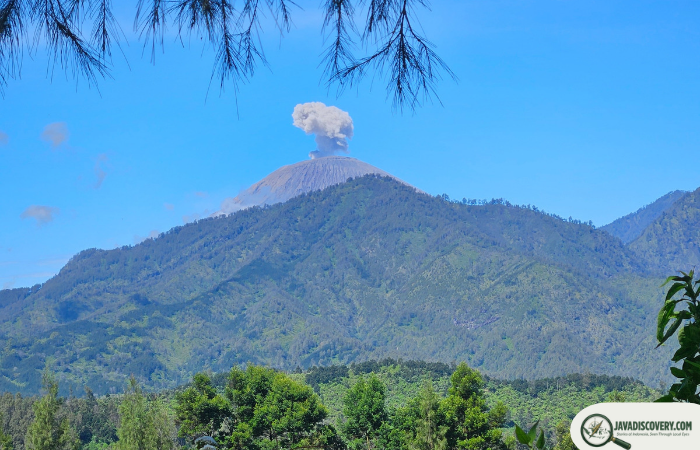
High above the misty valleys of East Java, Mount Semeru rises to 3,676 meters, casting its immense shadow across the surrounding highland sanctuary. Known locally as Mahameru, the highest peak on Java is more than an active volcano; it forms the crown of Bromo Tengger Semeru National Park. Within this vast protected reserve, dense sub-montane rainforests, oak-laurel thickets, and wind-swept subalpine slopes create a crucial refuge for some of the island’s most rare and secretive wildlife.
The slopes around Semeru shelter an intricate Web of ecosystems where ancient flora meets highland fauna. As cool mountain mists weave through the high canopy of mountain firs (cemara gunung), quiet forest corridors come alive with the calls of endemic birds and the gentle movements of montane mammals. Exploring these high-altitude sanctuaries reveals a wilder side of Java that continues to persist despite the pressures of a changing world.
Life Beneath the Crest of Mahameru
The ecological wealth of Mount Semeru lies in its vertical diversity. Moving upward from the sub-montane forest zones into high subalpine ridges, shifts in temperature and altitude create distinct microclimates. Deep ravines surrounding iconic highland lakes like Ranu Kumbolo provide shelter from harsh winds, forming dense pockets of vegetation where animals can forage undisturbed.
These forested slopes act as a sanctuary for species that have vanished from lower elevations across Java. Moss-draped trees and thick understory growth conceal continuous wildlife corridors that stretch across the Tengger massif. It is an environment defined by solitude and natural resilience, where nature operates under the continuous, gentle dusting of volcanic ash from Semeru’s frequent eruptions.
Guardians of the Canopy: Endemic Birds and Raptors
The Elusive Javan Hawk-Eagle
Soaring silently above the deep forested valleys of Semeru’s southern flanks is the Javan hawk-eagle (Nisaetus bartelsi). Recognized as Indonesia’s national symbol due to its resemblance to the mythical Garuda, this endangered raptor relies on uninterrupted primary forest canopies for nesting and hunting. Watching a Javan hawk-eagle ride the thermal drafts over Ranu Kumbolo is a rare glimpse into Java’s ancient natural heritage.
Avian Rhythms Across Montane Zones
Beyond the supreme raptor, Semeru’s canopy vibrates with a rich array of bird life tailored to high altitudes. Vibrant swarms of Sunda minivets flash bright orange and yellow against dark evergreen foliage, while mountain white-eyes flutter through the branches of high-altitude fir trees. In the lower forest borders, the magnificent green peafowl moves cautiously through brushwood, its iridescent plumage blending into the dappled sunlight.
Mammals of the Volcanic Slopes
Prowlers in the Shallows: The Javan Leopard
At the apex of this highland ecosystem stands the critically endangered Javan leopard (Panthera pardus melas). Exceedingly rare and remarkably stealthy, both the spotted and melanistic (black panther) variants of this big cat inhabit the dense oak-laurel forests surrounding Semeru. Relying on thick cover and steep ravine topography, the leopard remains a phantom guardian of these volcanic slopes, maintaining balance among prey populations.
Foragers of the Ravines and Meadows
Along mist-draped ridge contours, the rustle of leaves often reveals the presence of Semeru’s native herbivores and primates. Troops of East Javan langurs (Trachypithecus auratus) leap gracefully across the high branches, their dark coats contrasting with the bright orange fur of their juveniles. Down on the forest floor and highland grass meadows, Javan rusa deer (Rusa timorensis) and timid barking deer (Muntiacus muntjak) graze during the quiet morning hours.
Harmony between Tengger Faith and Forest Preservation
The survival of Mount Semeru’s wildlife is inextricably linked to the cultural stewardship of the indigenous Tengger community. For centuries, the Tengger people have regarded Mahameru as a sacred mountain, holding a deep spiritual reverence for the land, waters, and forests surrounding it. Their traditional belief system encourages harmony with nature, instilling a duty of care that deters overexploitation of forest resources.
This living cultural ethic acts as a natural shield for the surrounding fauna. By treating the volcano and its surrounding forests as sacred ground, the Tengger community helps ensure that the rare leopards, eagles, and montane creatures of Semeru maintain their rightful domain beneath the summit of Java’s highest peak.
In the quiet depths of Semeru’s highland canopy, nature and sacred tradition remain bound together, preserving Java’s natural treasures for generations to come.
Writer: Sari Mahendra