Teak Loggers of Blora Ancestral Forestry Lore Colonial Timber

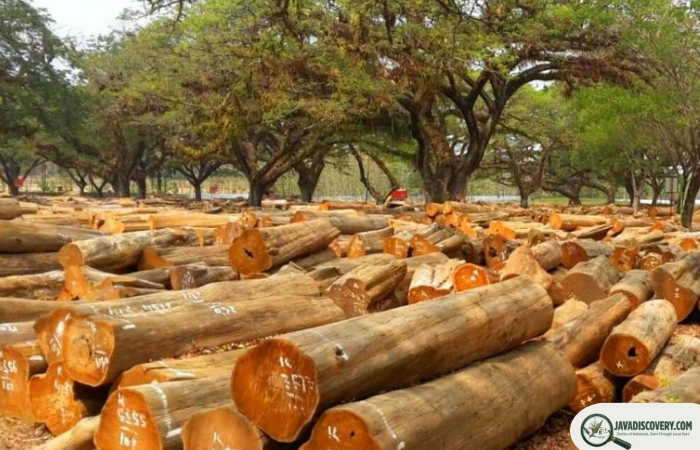
javadiscovery.com – Spanning the dry limestone ridges and rolling hills of East-Central Java, the ancient forests of Blora have long contained one of the island’s most prized natural treasures: Tectona grandis, or Javanese teak (*kayu jati*). Revered for its dense grain, natural oil resistance, and extraordinary durability, Blora teak was the foundational material that built Java’s maritime empires, royal Mataram palaces, and the massive shipping fleets of the Dutch East India Company (VOC). Yet, deep within the shade of these ancient groves unfolded a sharp civilizational conflict. For centuries, the indigenous forest communities (*kalang* and forest villagers) practiced an ecological relationship with the trees rooted in ancestral lore, spiritual stewardship, and sustainable harvesting. In the 19th century, this traditional harmony was shattered when the Dutch colonial government imposed the Dienst van het Boswezen (Colonial Forestry Service), converting sacred ancestral lands into an industrial extraction zone for imperial profit.
The history of Blora’s teak loggers is an epic narrative of environmental transformation, state enclosure, and deep-seated cultural resistance along Java’s inland frontier.
Ancestral Lore: The Spiritual Forest and the Wong Kalang
Long before colonial surveyors mapped Blora’s wilderness into commercial logging grids, the forest was governed by unwritten ancestral laws (*adat*). Central to this traditional world were the Wong Kalang—an ancient, semi-nomadic ethnoreligious group renowned across Java for their unmatched knowledge of timber selection, woodcarving, and forest navigation:
- Sacred Tree Felling (*Ngetok Kayu*): Teak trees were viewed as living spiritual entities inhabited by guardian spirits (*danyang*). Loggers performed elaborate rituals (*slametan*) before making a single cut, offering prayers, yellow rice, and incense to ask permission from the forest guardians.
- Selective Harvesting: Traditional harvesters never clear-cut groves. Instead, they practiced selective logging, identifying aged trees that had reached natural maturity while leaving saplings to ensure continuous regeneration for future generations.
- Girdling Technique (*Mati Berdiri*): To season the wood naturally, loggers ringed the bark at the base of the trunk years before felling. This allowed the tree to dry out slowly while standing, ensuring the harvested timber was lightweight, warp-free, and floatable along river channels.
Colonial Enclosure: The Forest Service and State Monopoly
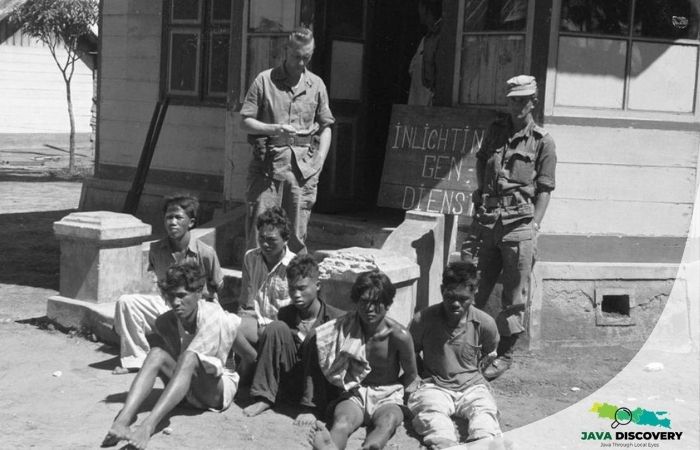
With the rise of the Cultivation System and the expansion of colonial infrastructure—including railways, bridges, harbor quays, and sugar processing mills—the demand for high-grade teak skyrocketed. In 1865, the colonial administration enacted the revolutionary Boschreglement (Forest Regulations), declaring all uncultivated forest lands state property:
- Criminalization of Customary Access: Overnight, traditional forest villagers who had gathered firewood, medicinal herbs, and construction timber for generations were reclassified as “timber thieves” and trespassers.
- Industrial Extraction (Dienst van het Boswezen): German-trained forestry officers introduced scientific forestry management, dividing Blora into rigid logging blocks (*perpetual yield compartments*). Millions of teak logs were felled annually, hauled by teams of water buffaloes (*kerbau*) to narrow-gauge forest railways (*deauville lines*), and shipped directly to coastal ports.
- Forced Forest Labor (Blandongdienst): Local villagers were conscripted under heavy physical labor regimes (*blandong*) to cut, log, trim, and haul massive trunks out of impassable ravines for meager wages, locking local communities into poverty amidst immense natural wealth.
Saminism: Peasant Resistance in the Teak Wilderness
The state’s aggressive enclosure of Blora’s forests sparked one of the most remarkable non-violent resistance movements in Indonesian history: the Saminist Movement (Sedulur Sikep), founded in the late 19th century by Samin Surontiko in the village of Randublatung, Blora:
- Philosophical Defiance: Samin Surontiko taught that the earth, water, and forests were gifts created by the universe for all human beings, rejecting the colonial state’s legal claim to land ownership.
- Passive Non-Cooperation: Rather than taking up arms, the Saminists engaged in radical non-violent resistance. They refused to pay colonial taxes, ignored forest regulations, lay down on their land when surveyors arrived, and continued gathering timber using their ancestral rights.
- Enduring Cultural Identity: Despite arrests, exiles, and severe official intimidation, the *Sedulur Sikep* community survived into the modern era, maintaining their distinct peaceful philosophy, high moral code, and deep reverence for the soil.
Legacy: The Whispering Teak Groves of Blora
In the post-independence era, state forestry enterprises (Perum Perhutani) inherited the management of Blora’s teak reserves. Today, as sustainable forestry and indigenous land rights take center stage in environmental policy, the history of Blora offers vital historical lessons.
The towering teak trees of Blora remain silent witnesses to an era of intense struggle—where colonial extraction clashed with ancestral reverence, leaving behind a rich legacy of ecological wisdom and peasant resilience in the heartland of Java.