Endemic Primates Gunung Halimun Javan Gibbon Canopy Corridors

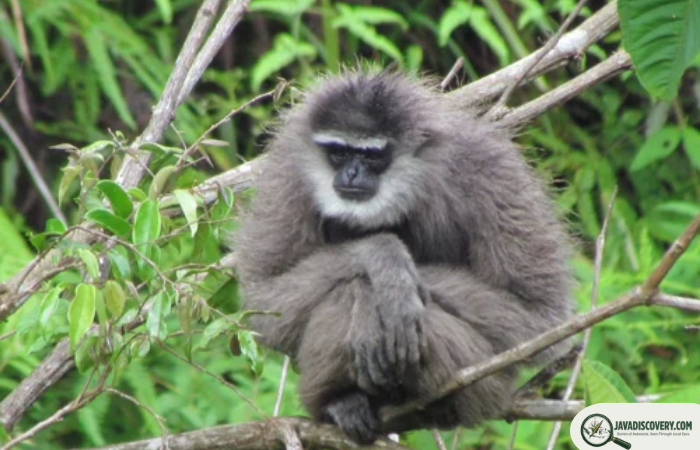
javadiscovery.com – A haunting, melodic call echoes through the dense morning mist that rolls over the pristine submontane rainforests of Mount Halimun. Resonating across deep emerald ravines at first light, this soulful howl is the territorial song of the Javan gibbon (*Hylobates moloch*)—known locally as the *Owa Jawa*. Spanning over 113,000 hectares across the misty mountainous borders of West Java and Banten, Mount Halimun Salak National Park represents the largest contiguous tract of primary lowland and hill rainforest remaining on the densely populated island of Java. Within this ancient, dripping sanctuary, an extraordinary assembly of endemic primates navigates the upper tree crowns. Yet, as agricultural expansion, illegal logging, and infrastructure corridors fragment the continuous canopy, dedicated field primatologists, park rangers, and local indigenous communities are fighting to protect these arboreal acrobats by preserving and reconnecting their shrinking canopy highways.
The Canopy Realm: Halimun’s Unique Primatology
Mount Halimun’s high annual rainfall and continuous cloud cover sustain an extraordinarily rich, multi-layered forest structure with tree canopies soaring thirty to forty meters above the forest floor. This complex vertical architecture provides specialized ecological niches for Java’s endemic primate species, each occupying distinct heights and dietary roles within the jungle:
- The Javan Gibbon (*Hylobates moloch*): Strictly arboreal and frugivorous, the silvery-grey *Owa Jawa* relies almost entirely on unbroken canopy corridors. Using a specialized form of locomotion known as brachiation, gibbons swing effortlessly between branches at incredible speeds, rarely if ever descending to the forest floor. They live in strictly monogamous family groups that defend stable home territories through daily vocalization duets.
- The Javan Surili (*Presbytis comata*): Recognized by its striking dark crest, white chest, and expressive eyes, this leaf-eating monkey inhabits the mid-to-upper canopy. Surilis play a vital role in forest regeneration by dispersing seeds of native canopy trees like *Puspa* and *Rasamala*.
- The Javan Langur (*Trachypithecus auratus*): Commonly called the ebony leaf monkey, the glossy black *Lutung* moves in larger social troops through both primary rainforests and secondary edge habitats, feeding on tough leaves, wild fruits, and flower buds.
- The Javan Slow Loris (*Nycticebus javanicus*): The island’s only nocturnal primate, the venomous *Kukang* moves silently through the lower canopy under darkness, feeding on tree gum, nectar, and small insects.
The Crisis of Fragmented Canopies
Despite its protected status, the primary forest cover of the Halimun ecosystem faces persistent pressure from human encroachment along its perimeter. Historically, historical logging concessions, illegal tea and vegetable farming, and expanding village roads have sliced through continuous forest blocks, creating severe canopy gaps:
- The Peril of Ground Crossing: For an obligate canopy dweller like the Javan gibbon, a fifteen-meter break in the tree crown presents a formidable barrier. Forced onto the ground to cross clearings or roads, gibbons become highly vulnerable to feral dogs, vehicle strikes, and ambush by natural predators like the Javan leopard (*Panthera pardus melas*).
- Genetic Isolation: When primate family groups are trapped inside isolated forest patches, gene flow stalls. Over generations, small, isolated populations suffer from inbreeding depression, reduced fertility, and heightened susceptibility to disease outbreaks.
- Loss of Seasonal Foraging Trees: Javan gibbons rely on a diverse diet of seasonal wild figs (*Ficus*), wild mangoes, and rainforest flowers. Canopy fragmentation restricts their foraging range, leading to nutritional stress during lean dry seasons.
Reconnecting the Highways: Artificial Bridges and Reforestation
To combat the impacts of habitat fragmentation, conservation scientists from regional universities and international primate networks have partnered with Mount Halimun Salak National Park authorities to implement innovative canopy bridge initiatives and targeted ecological corridor restoration:
- Canopy Rope Bridges: In areas where roads or clearings have severed natural tree crossings, field teams install heavy-duty, weather-resistant rope and hose bridges suspended high between emergent trees. Camera traps mounted on these artificial bridges confirm that Javan gibbons, surilis, and slow lorises quickly learn to use these human-made lifelines to navigate across gaps safely.
- Targeted Corridor Reforestation: Volunteer teams and park rangers actively plant fast-growing native tree species—such as *Ficus*, *Puspa*, and *Rasamala*—along narrow forest necks connecting isolated habitat blocks. These reforestation belts gradually restore natural, continuous canopy branches over time.
- Community-Led Monitoring: Local villagers living along the park boundary (*Masyarakat Mitra Polhut*) are trained as community primatologists. Patrolling forest borders daily, they record gibbon group locations, monitor canopy bridge usage, and prevent snare poaching.
Indigenous Wisdom and the Kasepuhan Identity
The survival of Mount Halimun’s endemic primates is deeply supported by the customary beliefs of the *Kasepuhan* indigenous communities who have inhabited the mountain valleys for centuries. Operating under strict customary law (*adat*), the Kasepuhan divide their forest domain into distinct zones:
- Leuwung Titipan (Sacred Reserved Forest): Core mountain forests where all human exploitation, tree cutting, and hunting are strictly forbidden by ancestral taboo (*pamali*). These pristine high-altitude reserves form the permanent, undisturbed sanctuary for Javan gibbons and leopards.
- Leuwung Tutupan (Protected Forest): Buffer forests where limited harvesting of non-timber products is allowed, but primary canopy trees must remain standing to preserve water springs and prevent soil erosion.
In Kasepuhan tradition, the Javan gibbon is regarded with profound respect as an ancestral forest guardian whose calls signal weather changes and mountain health. Harm to an *Owa Jawa* is believed to bring severe spiritual misfortune upon the community, creating a deep-rooted cultural defense mechanism that reinforces modern conservation efforts.
A Hopeful Future for Java’s Crown Dwellers
Protecting the Javan gibbon and its endemic neighbors in Mount Halimun is a race against time and land pressure. Yet, through the combined strength of scientific canopy engineering, active forest restoration, and centuries-old indigenous stewardship, the tree highways of West Java’s grandest rainforest are holding firm.
As the morning sun burns away the cloud cover over Halimun’s highest peaks, the territorial songs of the *Owa Jawa* continue to ring out clear and unbroken—a triumphant, living symbol of a wild Java that refuses to fade.