javadiscovery.com – In an era where social divisions and intolerance seem to grow louder, Indonesia still holds a powerful cultural language that can heal and unite — its traditional attire. Among them, batik and kebaya stand not merely as fabrics, but as shared spaces of identity, tolerance, and grace.
The Language of the Cloth
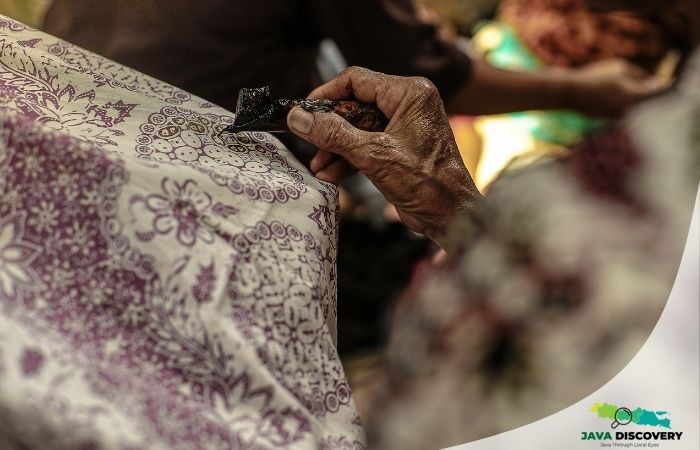
Batik is perhaps one of Indonesia’s clearest examples of multicultural expression. Though deeply rooted in Javanese tradition, its motifs tell stories that transcend geography and belief — from the Mega Mendung clouds of Cirebon inspired by Chinese symbolism to the Parang Rusak pattern representing resilience and moral struggle.
Each motif, brushstroke, and color narrates an unspoken dialogue between civilizations that have touched the archipelago. Batik became the meeting point of faiths, trade routes, and aesthetic worlds, blending the sacred and the everyday into something uniquely Indonesian.
Kebaya: The Elegance of Inclusion
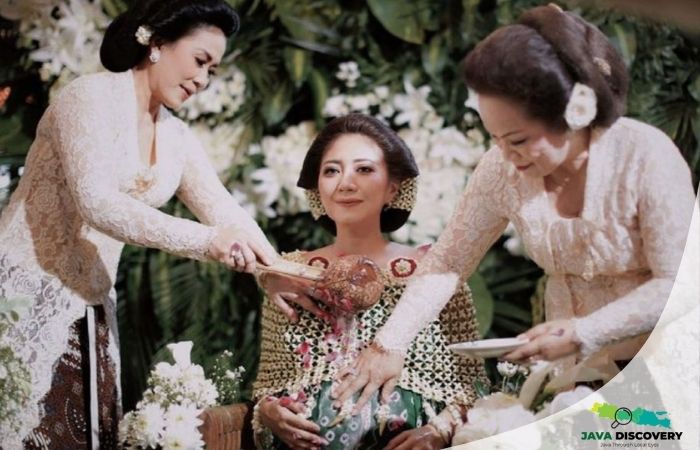
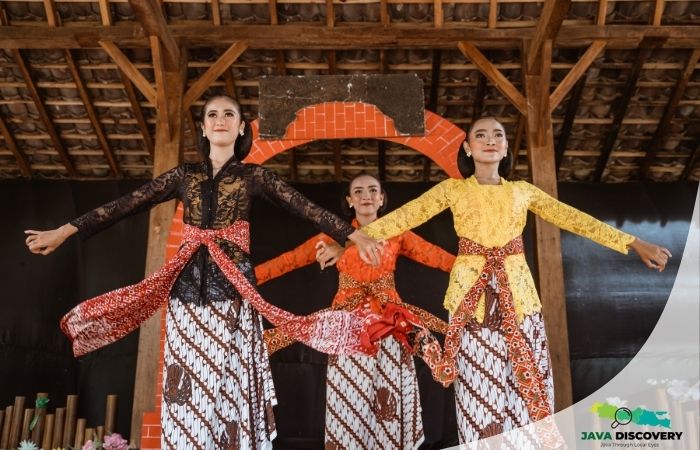
When batik meets kebaya, a new story unfolds — one of womanhood, dignity, and unity. The kebaya, worn by Javanese, Sundanese, Balinese, and even Chinese Peranakan women, dissolves social and ethnic boundaries. It is not the exclusive garment of a class or a tribe, but a shared form of beauty worn with pride by women across generations.
In state ceremonies or weddings, the sight of women in diverse kebaya styles becomes a silent declaration: that difference is the essence of beauty, not the reason for division.
The Philosophy Woven Within
The strength of batik and kebaya lies in their philosophy. The Parang Rusak motif, resembling waves, speaks of continuous effort — a reminder that unity is not a given, but a struggle maintained through patience and will. Meanwhile, Semen Rante — with its chain-like design — symbolizes the unbreakable bond between humans, nature, and the divine.
In kebaya, the traditional tight fit once represented modesty and discipline, teaching its wearer to move with grace and awareness. Modern kebaya designs, with opaque brocade options, now embrace inclusivity, allowing women of all faiths to wear them comfortably — a testament to evolving respect and cultural empathy.
Motifs as Mirrors of Harmony
Each pattern holds a lesson. Floral brocades express gentleness and harmony between humans and nature. Leaf motifs tell stories of growth and connection, while geometric patterns symbolize balance amid diversity. The dragon and cloud motifs influenced by Chinese art celebrate strength, protection, and openness to other traditions.
Perhaps none speaks of serenity better than Mega Mendung — the cloudy pattern of Cirebon that embodies patience, wisdom, and calm leadership. It reminds us that true nobility lies not in dominance, but in composure.
Beyond Fabric: A Living Symbol of Tolerance
Batik and kebaya are more than cultural artifacts; they are visual philosophies of coexistence. Every time someone wears them, they participate in a centuries-old dialogue of tolerance — a living testament that Indonesia’s unity thrives not through uniformity, but through harmony in diversity.
To wear batik and kebaya is to wear a story — one that whispers of patience, resilience, and togetherness woven through every thread of the nation’s soul.