What Is “Tingkeban”? The Javanese Prenatal Ceremony Explained

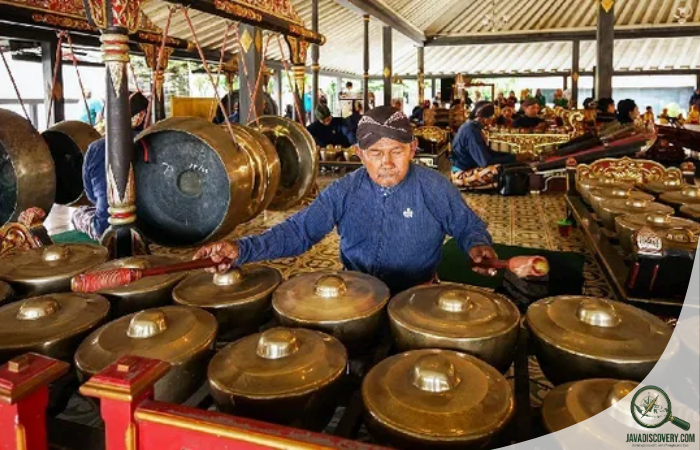
javadiscovery.com – Inside a Javanese home, the gentle hum of gamelan mingles with the fragrance of jasmine and rose petals. Relatives gather, laughter softly echoing, as an expectant mother sits gracefully wrapped in batik cloth. This is Tingkeban—also known as Mitoni—one of Java’s most sacred and enduring prenatal rituals, held when a woman reaches her seventh month of pregnancy. Beyond its beauty lies a deep spiritual symbolism: a celebration of life, purity, and divine protection for both mother and child.
Origins and Cultural Significance
The tradition of Tingkeban stretches far back into Java’s pre-Islamic past, when fertility and water were viewed as powerful symbols of life. Later, as Hinduism, Buddhism, and Islam shaped the island’s cultural landscape, the ritual absorbed new layers of meaning—transforming into a living expression of syncretism unique to Javanese culture. Today, it remains a reflection of community, spirituality, and the eternal cycle of birth and renewal.
At its heart, Tingkeban is a moment of gratitude. It brings together family and neighbors not just to bless the mother-to-be, but to reaffirm harmony among humans, nature, and the divine. The ritual serves as a gentle reminder that childbirth is not merely biological—it is sacred, wrapped in ancestral wisdom.
The Meaning Behind “Tingkeban”
The word tingkeb literally means “to close.” It represents the closing or sealing of the womb—a period when the mother should be protected from negative forces before the new life within her emerges. Symbolically, it also speaks of balance: the pause before transformation, the calm before a new beginning.
The Ritual Process and Its Symbolism
Each step in the Tingkeban ceremony is rich in symbolic meaning, interweaving nature, spirituality, and community into a tapestry of blessings.
1. Siraman (Holy Bath)
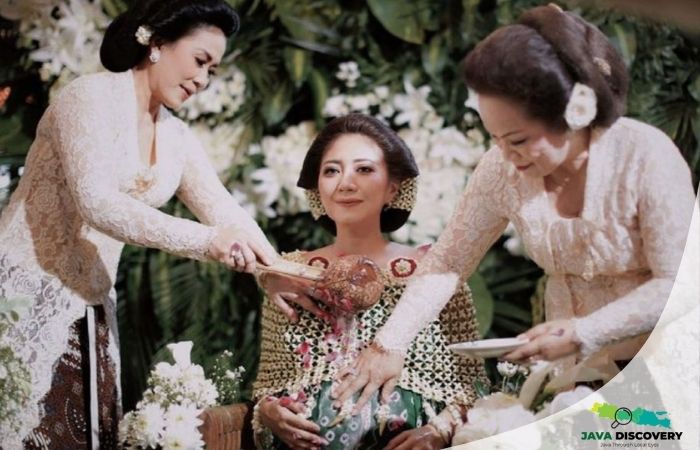
The ritual begins with a cleansing bath performed by seven elder women—often including the mother’s and grandmother’s generations. They use water drawn from seven wells and mixed with seven types of flowers, such as jasmine, rose, and ylang-ylang. Each pour of water is accompanied by prayers for purity, safety, and smooth delivery. The number seven, considered sacred, symbolizes completeness and divine perfection.
2. Dressing the Mother
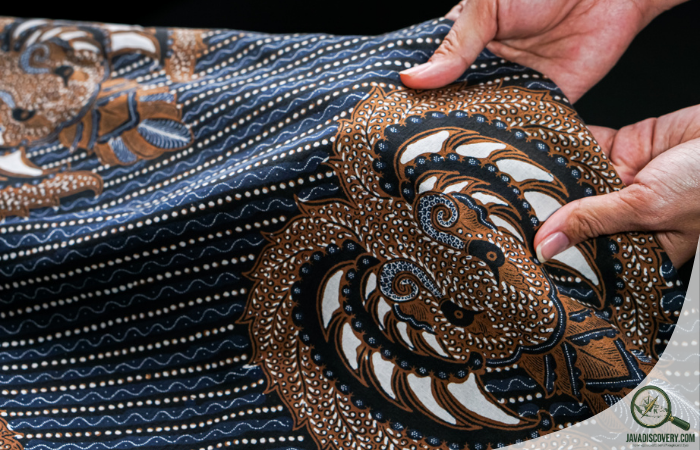
After the bath, the mother is dressed in traditional kemben and batik cloth, commonly with Sidomukti or Sidoluhur patterns—motifs associated with noble destiny and hope for the child’s bright future. Her hair is adorned with fresh jasmine, representing serenity and maternal grace.
3. Breaking the Coconut (Cengkir Gading)
In a joyful moment, the husband slices open a yellow coconut known as cengkir gading. This act symbolizes the father’s readiness to support his wife and the unborn child, wishing for a smooth birth and a healthy baby. The coconut, with its nourishing water and hard shell, represents both protection and the promise of new life.
4. The Rujak Ceremony
The mother then tastes rujak tujuh rupa—a spicy-sweet fruit salad made from seven kinds of fruits. Elders playfully interpret her reaction: if she enjoys the spicy taste, the baby might be a boy; if she prefers sweet, it might be a girl. While such beliefs are symbolic rather than predictive, they infuse the ceremony with laughter and warmth.
5. Feast and Prayers (Selamatan)
The ritual concludes with a communal meal and prayers led by village elders. Offerings of rice cones, sweet porridge, and fruits are placed before a small altar. Guests then share the feast, believing that blessings multiply when enjoyed together. It is a moment of unity—an affirmation that every child is a gift not just to the family, but to the community.
Symbolic Foods and Their Meanings
Food plays a central role in Tingkeban, each dish chosen for its spiritual symbolism. Tumpeng, a cone-shaped rice mound, represents Mount Meru—the cosmic center in Javanese cosmology. Jenang procot, a sticky rice porridge, signifies a smooth and easy delivery, while rujak tujuh rupa embodies balance and fertility through its mix of flavors. The act of sharing these foods strengthens bonds and channels collective goodwill.
Modern Interpretations and Continuity
In modern cities, many Javanese families still perform Tingkeban, though often simplified or combined with modern baby showers. Professional photographers capture every detail; floral arrangements may replace banana leaves, and traditional prayers blend seamlessly with contemporary touches. Yet, the essence remains unchanged: the ceremony honors life’s sacred beginnings and the timeless connection between ancestors and descendants.
For many young Javanese couples, holding a Tingkeban is a way to reconnect with identity—an affirmation that tradition and modernity can coexist beautifully. In an era of global culture, this gentle ceremony continues to cradle the Javanese spirit, one generation at a time.
Conclusion
Tingkeban is more than a pregnancy ritual; it is a poetic meditation on gratitude, protection, and the miracle of creation. Through its songs, scents, and sacred gestures, it weaves a story of harmony between body, soul, and nature. In every drop of fragrant water and every whispered prayer, the Javanese remind the world that birth—like all beginnings—is a sacred act worthy of celebration.