Kampung Mrican Wins Global Award for Social Architecture

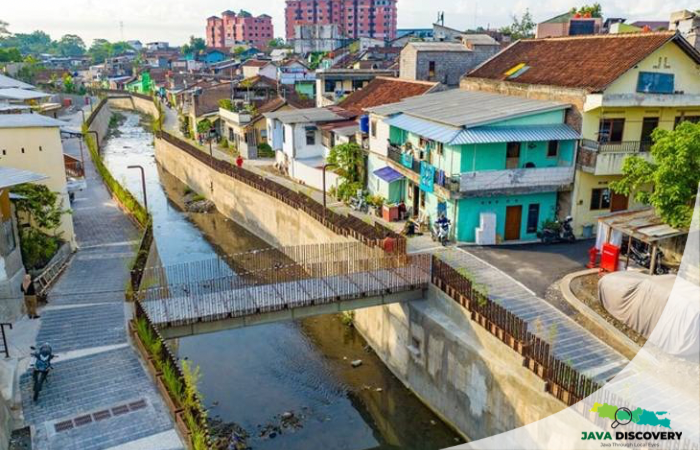
javadiscovery.com – Kampung Mrican has emerged on the world stage after winning a major honor at the Ammodo Architecture Awards 2025. The project, designed by SHAU, highlights how thoughtful social architecture can transform a dense riverside settlement in Yogyakarta into a healthier and more resilient community.
The Award That Placed Kampung Mrican on the Global Map
The Ammodo Architecture Awards is an international platform that celebrates projects prioritizing social and ecological value in the built environment. In its second edition, the award received 168 submissions from 60 countries, with only 26 selected as winners. Kampung Mrican stood out by receiving the highest category: the Social Architecture Award.
According to the official announcement, SHAU’s dedication to community-focused design earned the project a €150,000 prize—funds that will support further development, including a micro library for people with disabilities and the enhancement of Microlibrary Pringwulung.
SHAU and Their Vision for Social Architecture
Founded in 2009 by Daliana Suryawinata and Florian Heinzelmann, SHAU is a Rotterdam- and Bandung-based architecture firm known for innovative community-driven projects. Their network of micro libraries across Indonesia has become a benchmark for accessible public learning spaces.
Kampung Mrican Phase 1 strengthens SHAU’s global reputation by demonstrating how architecture can respond to local challenges with precision and empathy.
Urban Acupuncture as a Strategy for Transformation
Kampung Mrican sits between Mrican and Pringwulung villages in Yogyakarta, once known as a tightly packed settlement vulnerable to flooding. SHAU applied the concept of urban acupuncture, a micro-intervention approach that activates neglected or underused urban spaces without requiring large-scale, costly redevelopment.
Through this strategy, SHAU introduced small but impactful improvements: micro libraries, playgrounds, flood-control posts, waste-management points, pedestrian paths, and riverbank bridges. Each intervention works like a strategic “needle,” stimulating positive change across the wider community.
From Two-Meter Floods to a Managed Drainage System
The Mrican area once experienced floods reaching two meters, leaving a lasting trauma for local residents. Learning from this history, SHAU collaborated with the Ministry of Public Works, local governments, and technical consultants to restore the river and develop safer infrastructure.
Homes perched dangerously on riverbanks were relocated. SHAU strengthened the river edge with a retaining wall and built a new three-meter-wide riverside road. Beneath it lies a drainage and waste-disposal system connected directly to a flood-control post. The result is a secure passage for residents and a more controlled mechanism for managing runoff during heavy rains.
A Micro Library That Doubles as a Community Space
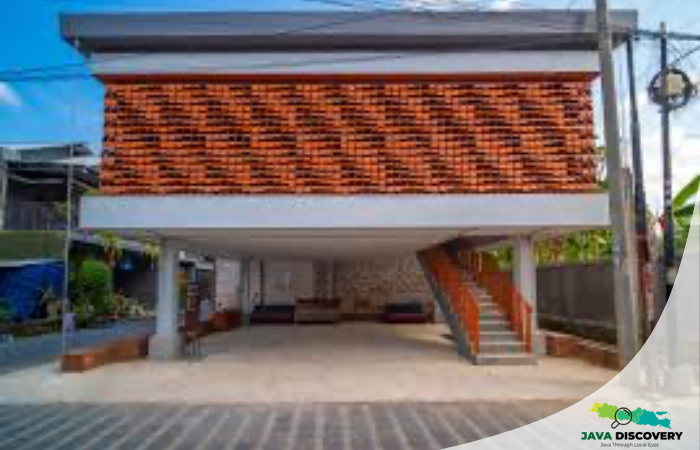
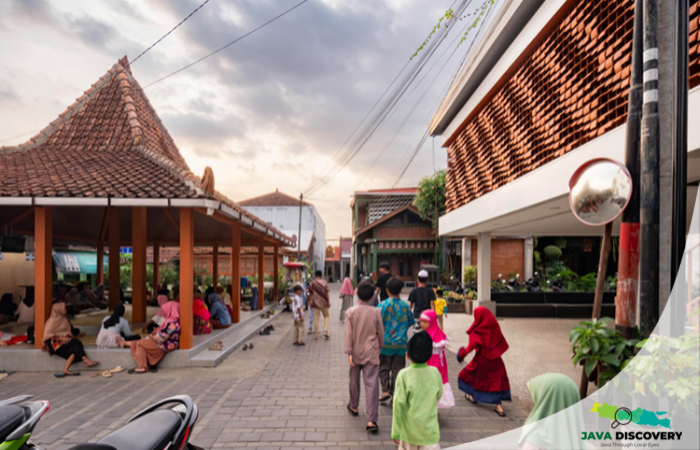
One of the most striking elements in Kampung Mrican is the Pringwulung Micro Library. The elevated structure features a façade made of terracotta shells crafted from baked clay. These pieces, arranged with a batik-inspired pattern, filter light and heat while allowing natural cross-ventilation.
The raised design serves multiple purposes. The space beneath the library becomes a flexible communal area for weddings, neighborhood meetings, or motorbike parking during crowded events. It functions both as an educational hub and a social gathering point, reinforcing the idea that public buildings can serve more than one role.
Turning a Former Waste Facility into a Cultural Playground
Another noteworthy intervention is the children’s playground built on the site of a former wastewater facility. Designed as a cultural and recreational space, the playground includes swings, a carousel, and slides. At its center stands a terracotta screen depicting the legendary Wayang Gatotkaca, connecting local heritage to a space meant for play and creativity.
By integrating familiar cultural symbols, the project strengthens identity and ensures that public spaces remain meaningful for younger generations.
Cleaner Riverbanks Through Waste Management Reform
Beyond aesthetics and education, Kampung Mrican now benefits from an improved system for collecting and managing waste. This step is crucial for riverside communities, where unmanaged trash often leads to sedimentation and renewed risk of flooding. Proper waste handling ensures the long-term sustainability of the revitalized neighborhood.
Kampung Mrican stands as an inspiring example of how careful, community-first design can redefine the future of dense urban settlements in Java and beyond.