QRIS Indonesia and the New Era of Cashless Payments

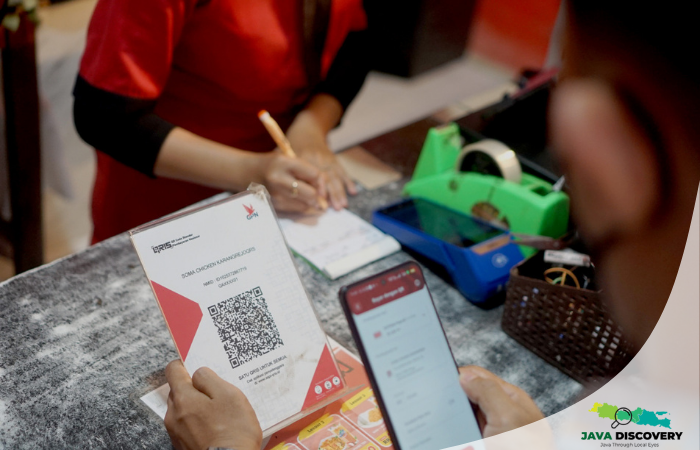
javadiscovery.com – QRIS Indonesia has transformed how people pay across the archipelago. What began as a national attempt to unify scattered digital payment systems has now grown into a cross-border solution accepted in several countries. Its rise is part of a wider shift in how Indonesians live, shop, and interact with technology.
The Rise of QRIS in Indonesia’s Cashless Era
Indonesia’s transition toward digital payments accelerated dramatically in the last few years. As mobile data became cheaper and smartphones more common, millions shifted from cash to apps. The pandemic pushed the transformation even further. Consumers wanted quick and contactless options, while businesses—especially small ones—needed simple tools to keep operating. QRIS emerged at the perfect moment.
How QRIS Was Born: A Snapshot of Its Early History
Before QRIS existed, merchants often displayed several different QR codes from different providers. Each system had its own rules and its own technical barriers. For customers, it was confusing. For merchants, it was inefficient. Bank Indonesia, together with the Indonesian Payment System Association, decided to fix the problem.
The result was QRIS, launched to the public in 2019. It created one unified standard that any bank or e-wallet could use. Rather than carrying multiple QR codes, businesses only needed one. The system reduced fragmentation and set the foundation for a national cashless ecosystem.
Why a Unified QR Code Was Needed
QR codes were becoming popular, but they did not “talk” to each other. A customer using one app might not be able to pay a merchant using another. QRIS solved this by letting every app scan the same code. It worked instantly and removed unnecessary barriers for millions of transactions.
QRIS Goes Global: From ASEAN to the World
A surprising development from QRIS Indonesia is how quickly it reached foreign markets. Through regional payment agreements and cross-border cooperation, Indonesian travelers can now use QRIS in several countries. The experience is seamless: they scan, pay in rupiah, and the system converts it instantly into the local currency.
The Countries That Currently Accept QRIS
As of today, QRIS Indonesia can be used in:
- Malaysia
- Thailand
- Singapore
- Japan
- India
The roadmap includes more countries, especially within ASEAN. It positions Indonesia as a key player in regional financial connectivity.
Why Indonesians Quickly Adopted QRIS
The speed of adoption has been remarkable. Several factors encouraged widespread use—from large retailers to market vendors in narrow village alleys.
How QRIS Empowers Small and Micro Businesses
For many micro merchants, QRIS became a game changer. They no longer needed expensive EDC machines or complex bank accounts. With a single printed QR code, a street food vendor can accept digital payments instantly. It democratized access to financial services across Java and the rest of the country.
Safety and Transparency in Digital Transactions
QRIS transactions leave a clear digital trail. This transparency protects both consumers and businesses. Payments are quick, receipts are automatic, and disputes are easier to resolve. The added layer of security helped build confidence in cashless transactions.
Interesting Facts About QRIS Indonesia
Beyond its practical use, QRIS Indonesia comes with several surprising milestones and statistics.
Fact 1 – QRIS Now Reaches More Than 30 Million Merchants
The number of registered merchants continues to rise, with traditional markets and micro stalls being the largest contributors.
Fact 2 – Micro Businesses Are the Fastest Adopters
Food carts, angkringan, pasar tradisional, and transport services are often the first to adopt QRIS in any new region.
Fact 3 – Indonesia Has One of the Fastest QR Payment Growth Rates in Asia
Within ASEAN, Indonesia shows some of the strongest year-to-year growth in QR-based transactions.
Fact 4 – QRIS Supports Multiple Wallets and Banks Seamlessly
Every major e-wallet and banking app in Indonesia supports QRIS, creating a highly interoperable system.
Fact 5 – QRIS Can Be Used While Traveling Abroad
From shopping streets in Tokyo to cafés in Kuala Lumpur, Indonesian travelers now carry a digital wallet instead of loose cash. This cross-border convenience is boosting QRIS Indonesia’s global profile.
What QRIS Means for the Future of Payments in Java and Beyond
Toward the future, QRIS Indonesia is expected to expand to more countries, integrate with more financial systems, and support more advanced features. It is part of a broader transformation in everyday life—from how people pay for food in village markets to how tourists explore Java’s cities. Digital payments are becoming a shared language.
As QRIS grows beyond Indonesia’s borders, it reflects a deeper shift: the country is no longer just catching up to global technology—it is shaping it.