Ikat Weaving as Ancestral Identity in the Highlands of Flores

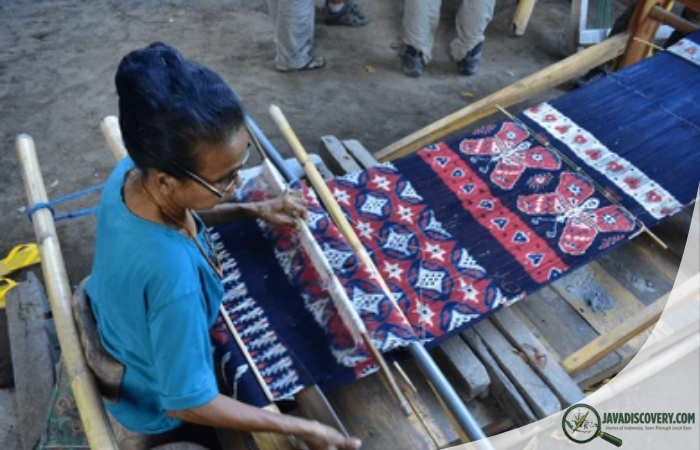
javadiscovery.com – Morning mist drifts slowly across the mountains of Flores. In the highland villages, roosters announce the day while thin threads of smoke rise from kitchen fires beneath steep bamboo roofs. On wooden verandas, women sit with quiet focus, their hands moving rhythmically across simple backstrap looms. Colorful threads stretch between wooden rods, slowly transforming into cloth that carries far more than decoration. In the highlands of Flores, ikat weaving is not merely a craft. It is a language of ancestry, memory, and identity that binds families to their past.
The woven textiles known as ikat hold a profound place in the cultural life of Flores. Every thread tells a story about lineage, social status, and spiritual belief. Patterns represent ancestors, animals, cosmological symbols, and sacred landscapes. For generations, weaving has served as a cultural archive, preserving the values and histories of communities that have lived in the mountainous interior of the island for centuries.
In these highland regions, identity is not only spoken through language or ritual. It is worn, wrapped around the body, and displayed in ceremonies through the complex and symbolic cloth known as ikat.
The Meaning Behind the Word Ikat
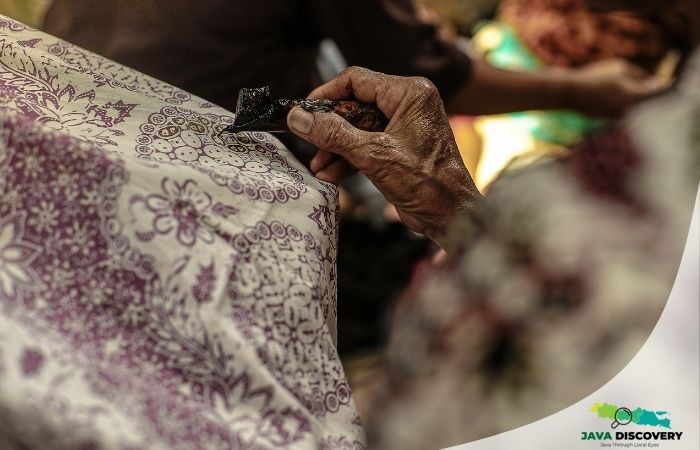
The word ikat originates from the Indonesian and Malay term meaning “to tie” or “to bind.” The name reflects the unique technique used to create these textiles. Before weaving begins, threads are carefully tied and dyed in precise sections. When the bindings are removed, the dyed threads form patterns that appear only when the cloth is woven together.
This method requires extraordinary patience and planning. A single textile may take weeks or even months to complete. In many Flores communities, women learn the process from their mothers and grandmothers, continuing a tradition that has existed for generations.
Yet the true significance of ikat extends beyond its technical complexity. Each motif woven into the cloth carries cultural meaning rooted deeply in the identity of the community.
Flores Highlands A Landscape Shaping Culture
The island of Flores stretches across eastern Indonesia, known for its rugged mountains, volcanic peaks, and isolated valleys. While coastal communities historically interacted with traders and travelers, many highland villages remained relatively secluded for centuries.
This isolation allowed local traditions to develop unique characteristics. In regions such as Manggarai, Ngada, and Ende, weaving traditions became essential expressions of social identity.
Villages often maintain distinct patterns and color combinations that signal where a person comes from. Skilled weavers can recognize a village origin simply by studying the arrangement of motifs in a textile.
These patterns function almost like visual dialects, distinguishing communities in a landscape where ancestry and kinship define social belonging.
Weaving as a Sacred Responsibility
In the highlands of Flores, weaving is not simply an economic activity. It is often understood as a cultural responsibility passed down through generations of women.
Young girls begin learning weaving techniques at an early age. They watch their mothers preparing cotton threads, tying dye patterns, and assembling looms beneath the shade of house verandas. Gradually, they begin practicing simpler patterns until they can eventually produce complete textiles.
Weaving is closely linked to life-cycle ceremonies. Certain cloths are required for weddings, funerals, and traditional rituals. A family’s ability to produce these textiles demonstrates respect for ancestral customs.
In some villages, it is believed that weaving connects the living with the spirits of ancestors. The act of creating cloth becomes a form of cultural continuity, ensuring that the voices of past generations remain present.
Symbols Woven Into Cloth
The motifs woven into Flores ikat textiles are deeply symbolic. Animals, plants, and geometric patterns often represent stories and spiritual beliefs.
Animals as Ancestral Guardians
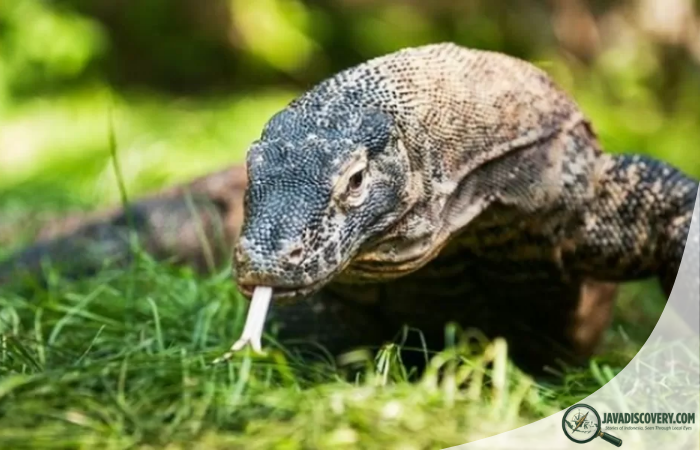
Many textiles feature animals such as horses, lizards, birds, or crocodiles. These creatures are not random decorations. They often represent mythological ancestors or protective spirits.
In certain regions, the horse symbolizes prestige and strength. In others, lizards are believed to represent connection between the earthly world and the spirit realm.
These motifs transform textiles into narrative surfaces where cosmological ideas are expressed visually.
Geometric Patterns and Cosmic Order
Geometric shapes dominate many Flores weaving designs. Diamonds, lines, and repeating bands may symbolize balance between the sky, earth, and human world.
In traditional cosmology, life exists within a structured universe where harmony between these realms must be maintained. The patterns woven into ikat cloth often reflect this understanding of cosmic order.
Plants and Fertility
Some patterns depict stylized plants or seeds, representing fertility and agricultural abundance. These motifs remind communities of their relationship with the land, which provides sustenance through farming and livestock.
By wearing textiles containing these symbols, individuals express gratitude for the natural forces that sustain life.
The Role of Ikat in Social Life
In Flores highland communities, textiles serve important social functions. They are exchanged during ceremonies, presented as gifts during marriages, and used to honor the deceased.
Marriage Exchanges
Marriage ceremonies often involve the exchange of woven textiles between families. The groom’s family may present livestock or other valuables, while the bride’s family offers ikat cloth created by female relatives.
This exchange symbolizes the union of two families and the merging of ancestral lines.
Funeral Rituals
During funerals, special textiles may be used to wrap the deceased or displayed as part of ceremonial offerings. These cloths serve as symbolic bridges between the world of the living and the ancestors.
The patterns on the textiles remind participants of lineage and heritage, reinforcing the belief that death does not sever the connection between generations.
Natural Dyes and Traditional Knowledge
Traditional ikat weaving in Flores relies heavily on natural dyes derived from plants and minerals. Indigo plants produce deep blue tones, while tree bark and roots create shades of red, brown, and yellow.
The preparation of these dyes requires specialized knowledge. Plants must be harvested at specific times, and dye baths may need to ferment for days before reaching the desired color.
Older weavers possess detailed understanding of these techniques, often passed down orally within families.
This knowledge forms an important part of cultural heritage, linking weaving practices with ecological awareness.
The Influence of Geography on Design
The mountainous terrain of Flores shapes not only daily life but also artistic expression. Villages separated by valleys and ridges often develop distinct weaving traditions.
For example, textiles from the Ngada region frequently feature bold symmetrical patterns, while Manggarai cloth may incorporate different color arrangements and motifs.
These variations reflect the cultural diversity of Flores, where numerous ethnic groups maintain unique traditions despite sharing the same island.
Modern Pressures on Traditional Weaving
In recent decades, modernization has introduced new challenges to traditional weaving communities. Younger generations sometimes seek employment in cities, reducing the number of women practicing the craft.
Synthetic dyes and factory-made fabrics have also entered local markets, offering cheaper alternatives to labor-intensive handmade textiles.
Yet many communities continue to preserve their weaving traditions, recognizing their importance as symbols of cultural identity.
A Living Archive of Ancestry
Despite changing times, ikat weaving remains a powerful cultural expression in the Flores highlands. Each textile carries memories of ancestors, landscapes, and beliefs shaped by centuries of tradition.
When a weaver ties threads and prepares dyes, she participates in a process that extends far beyond craft. She becomes part of a lineage of women who have preserved their culture through cloth.
Across the highland villages of Flores, these woven fabrics continue to tell stories. They record migrations, marriages, spiritual beliefs, and social ties that define community identity.
As long as the looms remain active and the patterns continue to be remembered, the ancestral voices woven into ikat cloth will remain alive.