Komodo Dragons and the Living Mythology of Eastern Indonesia

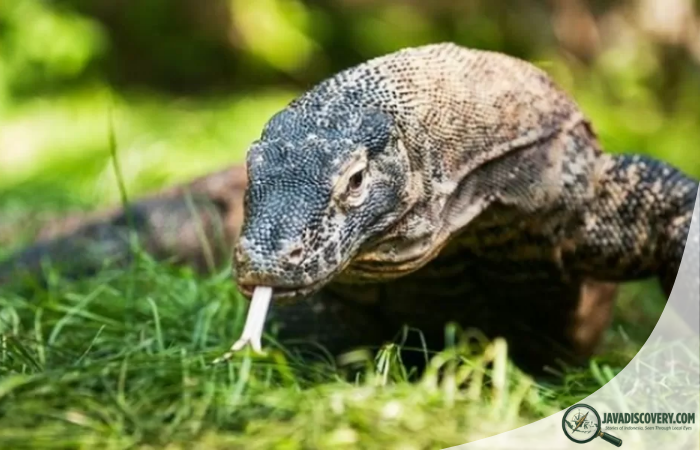
javadiscovery.com – Dawn arrives slowly on the rugged islands of eastern Indonesia. Dry savanna hills glow under the first light of morning, and the air carries the scent of sea salt and sun-baked grass. In the quiet, a massive reptile emerges from the shade of a tamarind tree. Its forked tongue flickers through the air, tasting the world. The creature moves with deliberate patience, heavy claws pressing into dusty earth. To the outside world it is known as the Komodo dragon. To many local communities, it is something far older, a being woven into the mythology of the islands.
Across the islands of eastern Indonesia, stories about dragons have existed for centuries. Long before scientists classified the Komodo dragon as the largest living lizard on Earth, local communities had already built complex cultural narratives around these animals. In the villages of Komodo Island and neighboring Flores, the dragon is not simply wildlife. It is often regarded as a relative, a guardian, or a reminder of a sacred past where humans and animals shared deeper bonds.
These stories reveal how mythology, landscape, and living creatures intersect in one of Indonesia’s most extraordinary environments.
The Land Where Dragons Walk
The islands of Komodo, Rinca, and western Flores lie within a dramatic volcanic landscape shaped by tectonic forces and centuries of isolation. Dry grasslands cover the hills during the long dry season, while sparse forests cling to valleys and coastal slopes.
This harsh terrain forms the natural home of the Komodo dragon. The reptiles thrive in hot climates, often basking under the tropical sun before slowly patrolling their territories in search of prey. Adult dragons can grow more than three meters long and weigh over seventy kilograms, making them formidable predators in an ecosystem with few rivals.
Yet to the island communities who have lived alongside them for generations, the dragons are not viewed purely as dangerous animals. Their presence carries cultural and spiritual meaning shaped by oral traditions passed down across centuries.
The Legend of Putri Naga
One of the most famous myths associated with Komodo dragons originates from the people of Komodo Island. The story centers on a legendary princess known as Putri Naga, often translated as the Dragon Princess.
According to local oral tradition, Putri Naga once gave birth to twins. One child was human, a boy named Gerong. The other was a dragon.
The villagers raised Gerong among humans, teaching him the ways of the island community. Meanwhile, the dragon child grew in the wild forests and hills. Years later, when Gerong had become a skilled hunter, he encountered a large dragon while searching for deer.
Believing the animal to be dangerous, he prepared to kill it. At that moment, the spirit of his mother appeared and stopped him.
She revealed the truth: the dragon was his sibling.
From that moment forward, the legend explains, the people of the island recognized dragons as relatives. Humans and dragons were said to share the same ancestral origin.
This story continues to influence how many local residents view the animals today. In certain communities, harming a dragon is considered deeply taboo.
Dragons as Spiritual Guardians
Beyond the legend of Putri Naga, dragons appear in many other stories across Flores and surrounding islands. These narratives often portray the creatures as guardians of land and balance.
In some traditions, dragons are believed to watch over sacred sites or natural boundaries. Their presence reminds villagers to respect the environment and avoid disrupting places associated with ancestral spirits.
The behavior of dragons themselves reinforces these beliefs. Their slow movements, powerful presence, and ability to remain silent for long periods create an aura of mystery. For many villagers, encountering a dragon in the wild feels less like meeting an animal and more like crossing paths with a powerful force of nature.
This perception has shaped cultural attitudes toward coexistence between humans and dragons.
Living Alongside a Predator
Despite their mythological status, Komodo dragons remain formidable predators. They hunt deer, wild pigs, water buffalo, and sometimes carrion. Their bite contains powerful bacteria and venom that can weaken prey over time.
For communities living in the dragon’s habitat, coexistence requires caution and knowledge passed through generations.
Children in villages such as Kampung Komodo grow up learning how to interpret dragon behavior. They understand the importance of avoiding certain areas during particular seasons, especially when dragons guard nests or search for food more aggressively.
Village elders often recount stories about encounters with dragons, not as tales of fear but as lessons about respect and awareness.
Dragons in the Cultural Landscape
In eastern Indonesia, mythology often emerges from close relationships between people and the natural world. The Komodo dragon occupies a unique position within this cultural landscape.
Unlike mythical dragons in European legends that breathe fire or guard treasure, the dragons of Flores are real creatures. Their presence in daily life blurs the boundary between myth and reality.
For local communities, the animal’s existence reinforces ancestral stories rather than contradicting them.
Many villagers view dragons as reminders that the natural world carries its own intelligence and authority. Humans are not separate from the ecosystem but part of a larger balance that must be respected.
Archaeological Clues and Ancient Encounters
Scientific research suggests that Komodo dragons have inhabited the region for hundreds of thousands of years. Fossil evidence indicates that ancient relatives of these reptiles once lived across a much wider area, including parts of mainland Asia and Australia.
Early human populations arriving in eastern Indonesia would have encountered these large reptiles regularly. Over generations, such encounters likely influenced the formation of myths and cultural beliefs surrounding dragon-like creatures.
The blending of real animal behavior with storytelling gradually produced the legends that continue to circulate today.
The Dragon in Local Rituals
Although modern life has transformed many aspects of island communities, elements of dragon mythology still appear in rituals and local customs.
Some traditional ceremonies include symbolic references to dragons as protectors of land and ancestors. Elders may invoke dragon spirits when discussing the importance of maintaining harmony with the environment.
These beliefs serve not only as cultural heritage but also as moral guidance about how people should treat the natural world.
Conservation and Cultural Respect
In the modern era, the Komodo dragon has become internationally recognized as a rare and remarkable species. Scientific conservation efforts aim to protect both the reptiles and their fragile ecosystem.
Yet conservation in the region often depends on the cooperation of local communities whose cultural traditions already emphasize respect for dragons.
The myth of shared ancestry between humans and dragons creates a powerful cultural framework that encourages protection rather than exploitation.
For many island residents, safeguarding the dragon is not only an environmental responsibility but also a way of honoring ancestral heritage.
Dragons Between Myth and Reality
The Komodo dragon stands at a fascinating intersection between biology and mythology. It is both a scientific wonder and a living symbol within the cultural narratives of eastern Indonesia.
Its massive body and ancient appearance evoke images of prehistoric worlds, while local legends frame the creature as a relative of humanity itself.
This dual identity reflects a broader pattern across Indonesian cultures where nature and myth intertwine.
A Landscape Where Stories Still Breathe
As the sun sets across the savannas of Komodo Island, shadows stretch across dry grasslands. The sea glows orange on the horizon, and the heat of the day slowly fades.
Somewhere in the quiet hills, a Komodo dragon moves through the brush, its ancient body gliding across the earth that has shaped its existence for millennia.
For scientists, it represents one of the planet’s most remarkable reptiles.
For the people who share these islands, it remains something more complex and meaningful. A sibling in legend, a guardian in folklore, and a living reminder that mythology often grows from the deep and enduring relationship between humans and the natural world.