Fog as Daily Rhythm in Highland Java and Mountain Life

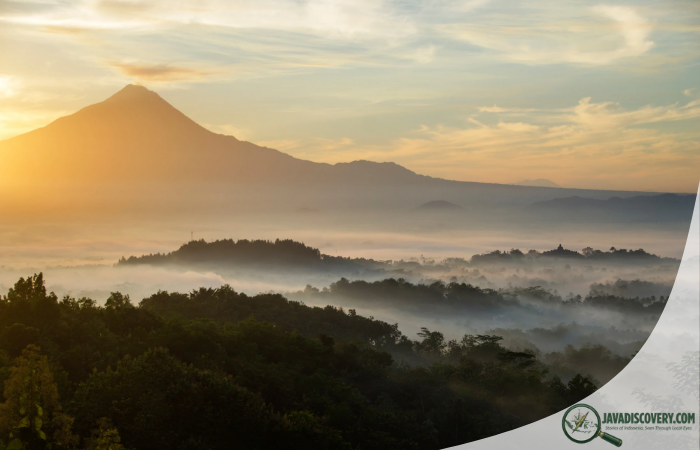
javadiscovery.com – Before the sun fully breaks over the volcanic ridges of Java’s highlands, the world exists in soft outlines. Trees appear as silhouettes, their edges blurred by drifting white haze. The air feels cool against the skin, carrying a faint scent of damp earth and leaves. In the distance, a rooster crows, its call muffled by the thick morning mist. For those who live in these highlands, fog is not an occasional visitor. It is a daily rhythm, as predictable as sunrise and just as essential to the flow of life.
Across the mountainous regions of Java, fog shapes the environment in ways both subtle and profound. It influences agriculture, guides daily routines, and contributes to a sensory world defined by shifting visibility and quiet stillness. In places where elevation meets moisture-laden air, fog becomes a constant companion, weaving itself into the cultural and ecological fabric of highland communities.
The Formation of Highland Fog
Fog in Java’s highlands forms through a combination of elevation, temperature, and moisture. As warm, humid air rises from lower elevations, it cools upon reaching higher altitudes. When the air cools enough, water vapor condenses into tiny droplets, creating the mist that blankets valleys and slopes.
This process often begins during the night, when temperatures drop and moisture accumulates near the ground. By early morning, fog can become dense, filling entire valleys and covering fields in a layer of suspended water droplets.
As the sun rises, the fog gradually lifts, dissolving into the atmosphere or retreating into shaded areas where cooler conditions persist.
This cycle repeats almost daily in many highland regions, creating a predictable pattern that residents come to rely upon.
A Landscape Shaped by Mist
Fog transforms the visual character of the highlands. Hills appear and disappear as the mist shifts. Terraced fields fade into whiteness before reemerging in patches of green. Trees loom suddenly from the haze, their forms softened by moisture in the air.
This ever-changing landscape creates a sense of fluidity. Nothing remains visually fixed for long. The environment seems to breathe, expanding and contracting as fog moves through it.
For residents, this shifting visibility becomes part of everyday perception. Paths are memorized not just by sight, but by experience. Landmarks are recognized through partial glimpses rather than clear outlines.
Fog and Agricultural Life
In the highlands of Java, fog plays a crucial role in agriculture. The moisture it provides supplements rainfall, particularly during drier periods.
Natural Irrigation from the Air
Fog deposits fine droplets of water onto leaves and soil surfaces. Over time, this moisture accumulates, contributing to plant hydration.
Farmers often observe that crops in fog-prone areas require less frequent watering. The consistent presence of mist helps maintain soil moisture levels, especially in terraced fields where water retention is essential.
Temperature Regulation
Fog also moderates temperature extremes. During the day, it reduces direct sunlight, preventing excessive heat that could stress plants. At night, it acts as a blanket, slowing the loss of heat from the ground.
This regulation creates stable growing conditions for crops such as tea, vegetables, and certain fruits that thrive in cooler climates.
Challenges of Excess Moisture
While beneficial, fog can also create challenges. Persistent humidity increases the risk of plant diseases, particularly fungal infections.
Farmers must balance the advantages of moisture with careful crop management to prevent damage.
Daily Life Within the Fog
For highland communities, fog shapes daily routines in subtle ways.
Mornings often begin slowly, as reduced visibility makes travel more cautious. Farmers may wait for the mist to lift before heading to fields, while children walk to school along familiar paths that guide them through the haze.
Sounds carry differently in fog. Voices seem closer, while distant noises become muted. This acoustic shift contributes to a sense of quiet that defines early hours in the highlands.
As the sun rises and visibility improves, activity gradually increases. Markets open, fields fill with workers, and the rhythm of daily life accelerates.
By afternoon, the fog has often disappeared, replaced by clear skies or scattered clouds.
Fog as Cultural Atmosphere
Beyond its physical effects, fog holds a place in the cultural imagination of highland communities.
Its presence often evokes ideas of mystery and transition. The boundary between visible and invisible worlds becomes less distinct when landscapes are obscured.
In some local beliefs, mist is associated with spiritual presence. The way it moves through forests and across fields suggests a connection between the natural and unseen realms.
Stories and oral traditions sometimes reference fog as a space where encounters with spirits or ancestral forces are more likely to occur.
Even without explicit belief, the atmosphere created by fog influences how people experience their surroundings. It encourages reflection, quiet observation, and a heightened awareness of subtle environmental changes.
Ecological Importance of Fog
Fog contributes to biodiversity in highland ecosystems by providing a consistent source of moisture.
Plants adapted to these conditions often rely on fog for survival. Mosses, ferns, and certain tree species absorb water directly from the air.
This creates unique habitats where species thrive in conditions that might otherwise be too dry.
In forested areas, fog helps sustain micro-ecosystems that support insects, birds, and other wildlife.
Seasonal Variations in Fog Patterns
While fog occurs daily in many regions, its intensity and duration can vary with the seasons.
During wetter months, fog may linger longer, sometimes persisting into midday. In drier periods, it may dissipate quickly after sunrise.
These variations influence agricultural planning and daily routines. Farmers adjust planting schedules based on expected moisture levels, while communities adapt activities to changing visibility.
Understanding these seasonal patterns forms part of traditional environmental knowledge passed through generations.
Modern Changes and Environmental Pressure
Changes in land use and climate are beginning to affect fog patterns in some highland areas.
Deforestation reduces the ability of landscapes to retain moisture, potentially decreasing fog formation. Urban expansion alters airflow and temperature, disrupting natural cycles.
Climate change introduces further uncertainty, with shifts in temperature and rainfall affecting the conditions necessary for fog to develop.
For communities that depend on these patterns, such changes can have significant impacts on agriculture and daily life.
A Rhythm Written in Air
In the highlands of Java, fog is more than a weather condition. It is a rhythm that shapes how people wake, work, and move through their environment.
Its presence softens the landscape, blurring boundaries and creating moments of stillness in an otherwise active world.
Each morning, as mist settles across fields and villages, it carries with it a quiet continuity. A reminder that life in these mountains follows patterns not always visible, but deeply felt.
As the sun rises and the fog lifts, the world returns to clarity. Yet the memory of that early softness remains, woven into the daily experience of those who live where clouds touch the ground.