Java a Civilization Built on Balance and Quiet Continuity


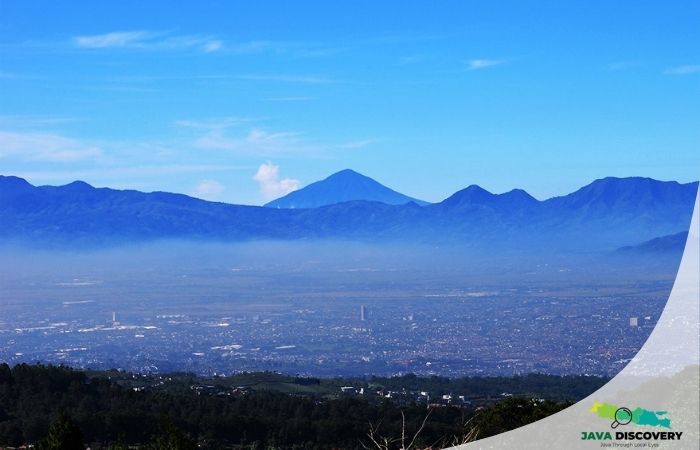
javadiscovery.com – At first light, mist settles low over rice fields in Central Java. Water reflects the pale sky, broken only by the slow steps of farmers entering the paddies. In the distance, a volcano stands unmoving, its presence both protective and threatening. Life here unfolds between elements that must be negotiated rather than conquered. Earth, water, fire, and wind coexist in a careful arrangement. This sense of measured coexistence has shaped Java for centuries, forming a civilization built not on dominance, but on balance.
Balance as the Foundation of Javanese Civilization
Java’s long history cannot be understood through power alone. Kingdoms rose and fell, dynasties shifted, religions arrived and blended, yet beneath these changes ran a consistent philosophical current. Balance between opposing forces. Between rulers and subjects. Between humans and nature. Between the visible world and unseen realms.
This worldview did not emerge from abstract theory. It grew from lived experience on a densely populated island shaped by fertile soil and volatile geology. Volcanoes brought destruction and renewal. Rivers sustained agriculture but demanded careful management. Survival depended on restraint, timing, and cooperation.
Rather than seeking absolute control, Javanese societies learned to adapt. This adaptive ethic became embedded in governance, spirituality, art, and daily conduct.
Early Kingdoms and the Art of Harmony
The earliest recorded kingdoms in Java already reflected this emphasis on balance. Hindu Buddhist polities such as Mataram Kuno organized power through cosmic order. Kings were seen not merely as rulers, but as mediators between earthly life and the divine structure of the universe.
Temples were positioned carefully within landscapes, aligned with mountains, rivers, and cardinal directions. Borobudur and Prambanan were not isolated monuments. They were cosmological diagrams rendered in stone, expressing harmony between human devotion and universal order.
Political authority was justified through moral responsibility. A ruler who failed to maintain balance risked not only rebellion, but cosmic disorder.
Power Without Absolutism
While kings wielded authority, governance relied heavily on consensus among elites, priests, and local leaders. Decisions unfolded through consultation rather than decree. This structure limited extremes. Authority was strong, but rarely absolute.
Such systems encouraged continuity. When dynasties shifted, administrative practices often remained. Balance mattered more than individual ambition.
Nature as Partner Not Resource
Java’s civilization developed alongside one of the most productive agricultural systems in the world. Wet rice cultivation required communal coordination. Irrigation networks depended on collective discipline. No single farmer could control water alone.
This necessity shaped social ethics. Cooperation became survival. Excess threatened everyone. Balance between upstream and downstream communities determined prosperity or famine.
Over time, these practices produced more than food. They produced a worldview where nature was neither enemy nor possession, but partner.
Volcanoes and Acceptance of Risk
Living beneath active volcanoes taught acceptance of uncertainty. Eruptions destroyed villages, yet enriched soil. Communities rebuilt rather than retreated. Rituals emerged to acknowledge both danger and generosity.
This relationship with risk reinforced humility. Humans adjusted to nature’s rhythms rather than attempting mastery.
Spiritual Balance and Inner Discipline
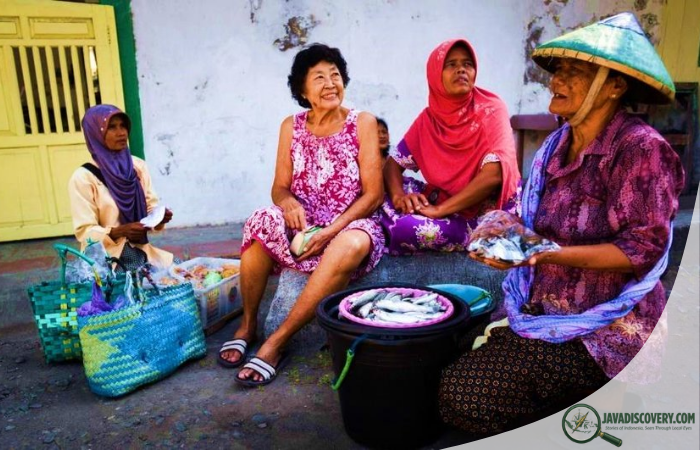
Spiritual life in Java evolved through synthesis rather than replacement. Hindu, Buddhist, Islamic, and local beliefs layered over one another. Rather than conflict, accommodation prevailed.
This blending produced a spiritual outlook focused on inner discipline. External expression mattered less than personal conduct. The goal was not salvation through domination of belief, but harmony within oneself and society.
Concepts of restraint, patience, and emotional control shaped moral education. Spiritual maturity was measured quietly.
Social Hierarchies and Mutual Obligation
Javanese society developed complex hierarchies, yet these were tempered by reciprocal responsibility. Elders guided younger members. Leaders protected followers. Deference flowed upward, care flowed downward.
Language reinforced this structure. Speech levels required constant awareness of social context. Communication became an exercise in sensitivity rather than assertion.
While hierarchies could be rigid, they also limited confrontation. Balance was maintained through avoidance of open conflict.
Colonial Disruption and Cultural Resilience
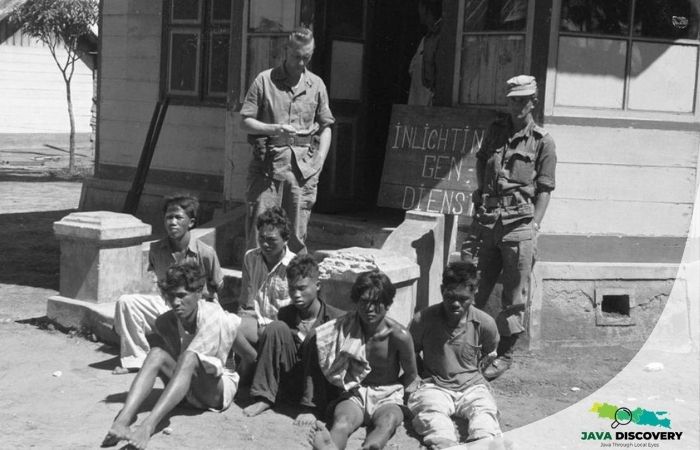
Colonial rule challenged Java’s balanced systems. External powers prioritized extraction and efficiency. Traditional rhythms were disrupted. Land use shifted. Authority centralized.
Yet even under pressure, Javanese society adapted without total rupture. Cultural values retreated into private spaces. Rituals became quieter. Resistance often took the form of endurance rather than rebellion.
Balance shifted inward. Survival depended on preserving core values beneath surface compliance.
Quiet Forms of Resistance
Rather than overt defiance, many communities practiced subtle negotiation. Maintaining dignity while appearing cooperative. This approach allowed cultural continuity under foreign dominance.
The ability to bend without breaking proved decisive.
Modernity and the Challenge of Speed
In the modern era, balance faces new pressures. Urbanization accelerates life. Digital culture rewards visibility and immediacy. Economic competition encourages excess.
For many Javanese, these forces create tension. Traditional values emphasize patience and moderation. Modern systems demand speed and self-promotion.
Identity becomes a negotiation between inherited restraint and contemporary ambition.
Everyday Balance in Contemporary Life
Despite change, balance continues to guide daily behavior. Family decisions consider collective impact. Community harmony remains a priority. Direct confrontation is often avoided.
Rituals persist quietly. Food offerings. Ancestral remembrance. Seasonal observances. These acts maintain continuity without spectacle.
Balance survives not because it is enforced, but because it feels necessary.
Art Architecture and Measured Expression
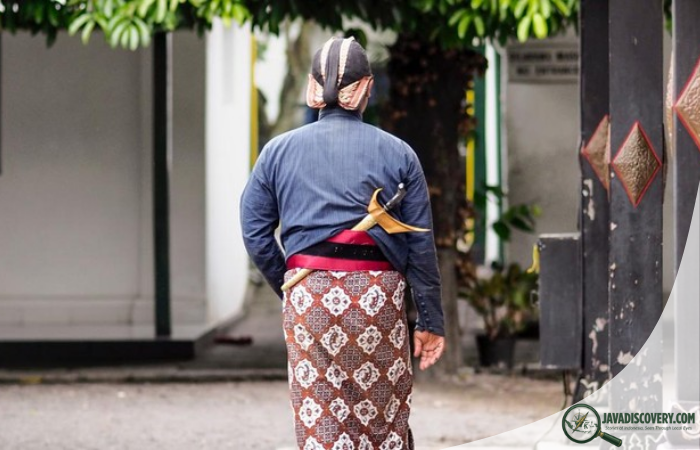
Javanese art rarely seeks excess. Whether in batik patterns, gamelan music, or traditional dance, repetition and restraint dominate. Variation emerges slowly within structure.
This aesthetic reflects philosophical balance. Beauty lies in control rather than display. Expression unfolds through patience.
Even modern interpretations often preserve this measured quality.
A Civilization Sustained by Moderation
Java’s civilization was never built on conquest alone. It endured through moderation, adaptability, and ethical balance. Power was constrained by responsibility. Belief by tolerance. Nature by respect.
This approach did not prevent conflict or suffering. It provided tools to endure them.
As night falls and villages grow quiet, the rhythms continue. Rice fields rest. Volcanoes breathe. People adjust, as they have for generations.
Java remains a civilization shaped not by extremes, but by the ongoing work of balance.