Nasi Uduk Betawi and the Simplicity of Jakarta’s Flavor

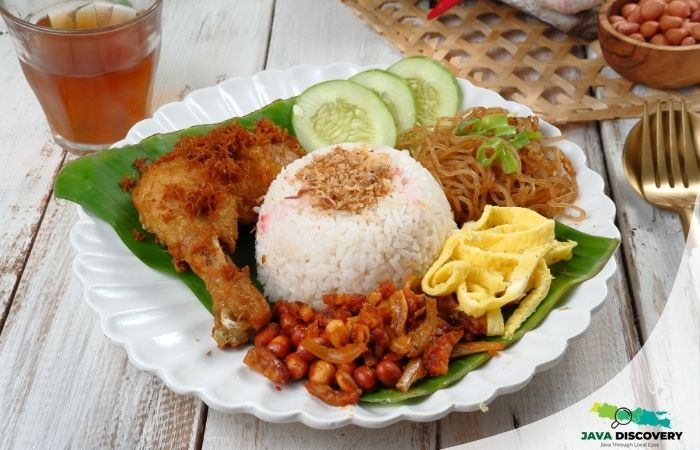
javadiscovery.com – As the first light of dawn touches Jakarta’s skyline, the air fills with a familiar fragrance — the warm, creamy aroma of coconut rice. On almost every street corner, steam rises from bamboo baskets, and vendors greet their first customers of the day with a smile. For many Jakartans, this is more than breakfast. This is nasi uduk — a comforting ritual and a proud symbol of Betawi identity.
The Origins of Nasi Uduk
The story of nasi uduk stretches back centuries, rooted in the cultural melting pot that shaped the Betawi people. Influenced by Malay and Arab traders, the dish embodies the city’s openness to flavors and ideas from across the seas. The word “uduk” itself, derived from old Malay, means “to mix together” — an apt description of both the dish and the cosmopolitan nature of Jakarta.
During colonial times, nasi uduk became a staple in local households, prepared for both everyday meals and festive gatherings. Its richness came not from luxury, but from the art of making something special out of simple, accessible ingredients — a philosophy that continues today.
The Art of Simplicity: Ingredients and Method
At its heart, nasi uduk is about patience and balance. The rice is soaked in thick coconut milk and cooked with fragrant leaves — daun pandan, lemongrass, and bay leaves — along with a pinch of salt and a touch of galangal. The result is soft, creamy grains infused with a tropical scent that lingers in the memory long after the last bite.
Each vendor or household adds their own nuance: some prefer a richer coconut base, others a subtler aroma. But all share the same humble goal — to serve warmth and satisfaction in every portion, wrapped neatly in banana leaves that enhance its natural aroma.
Beyond Rice: The Accompaniments
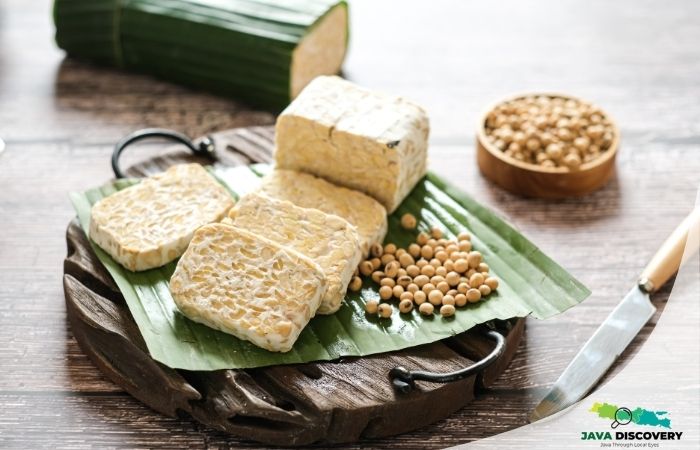
A serving of nasi uduk is never complete without its colorful companions. There’s the sweet-and-spicy tempe orek glistening with palm sugar, crispy fried chicken or catfish, boiled egg coated in spicy sambal, and a generous handful of kerupuk. A ladle of thick sambal kacang ties it all together — nutty, fiery, and deeply satisfying.
Each element tells a story of Jakarta’s working-class resilience and culinary ingenuity. These side dishes are affordable, easy to prepare, and nourishing — a testament to the Betawi spirit of resourcefulness and generosity.
Where to Find Authentic Nasi Uduk
For the best experience, follow the city’s early risers. In Kebon Kacang, one of Jakarta’s most famous food districts, vendors like Nasi Uduk Kebon Kacang Hj. Ellya have been serving the same recipe for generations. The queues form as early as 6 a.m., where families, office workers, and night-shift drivers share the same wooden benches.
In Setiabudi and Bendungan Hilir, smaller stalls carry on the tradition with their own flair — proof that this dish transcends class and district boundaries, uniting the city through flavor.
A Reflection of Betawi Philosophy
In a city defined by contrast — skyscrapers beside street stalls, luxury cars beside angkot — nasi uduk stands as a quiet reminder of balance. It celebrates simplicity without losing depth, comfort without excess. Every spoonful carries the warmth of home and the philosophy of the Betawi people: hidup sederhana, rasa istimewa — a simple life with extraordinary flavor.
To taste Nasi Uduk Betawi is to understand Jakarta itself — a city of blending cultures, bustling energy, and the comforting power of everyday food.