Bandung’s Culinary Sea from Fire to Flavor

javadiscovery.com – There was a time when Bandung burned. On a March night in 1946, the city’s skies glowed crimson as thousands of its residents left their homes and set their beloved city ablaze. It was not madness—it was resistance. To prevent the returning Dutch and Allied forces from occupying it, Bandung’s people turned their city into a sea of fire. That night became one of Indonesia’s most powerful symbols of sacrifice: Bandung Lautan Api — the Sea of Fire.
Nearly eight decades later, Bandung still burns, but with a different flame — the warmth of its people, the glow of café lights, and the sizzle of street food grills. Today, the same city once consumed by fire has transformed into Bandung Lautan Kuliner — the Sea of Culinary.
From a City of Resistance to a City of Warmth
In the years after independence, Bandung rose from the ashes of war and rebuilt itself with grace. Its cool climate, tree-lined streets, and mountain backdrop gave it a natural charm that even the Dutch admired. They called it Parijs van Java — the Paris of Java — a name that still lingers lovingly on the tongues of travelers and locals alike.
Where flames once devoured wooden houses, now stand gardens, cafés, and old colonial buildings turned into cultural landmarks. The air that once smelled of smoke now carries the aroma of roasted coffee, sweet bandros, and freshly grilled satay. Bandung has learned to transform pain into beauty — and struggle into taste.
Remembering the Bandung of the 1970s
For those who knew Bandung half a century ago, the transformation feels deeply personal. In the 1970s, when the author first arrived as a university student, Bandung was serene. Dago’s upper hills were still lush with towering trees, and the city’s rhythm moved gently, like a Sunday morning breeze.
The Alun-Alun square was an open field of grass bordered only by the mosque. There were no malls or billboards, only the laughter of children and the faint chime of bicycle bells echoing through quiet streets. That was Bandung before the concrete era — a place of simplicity and grace.
Today’s Bandung: The Sea of Culinary Delights
Fast forward to September 2025. During a visit for the National Forum of University Audit Committees, the author heard the Rector of Universitas Pendidikan Indonesia warmly say, “Welcome to Bandung – the City of Culinary.” It felt strikingly true. Bandung has become a feast for the senses.
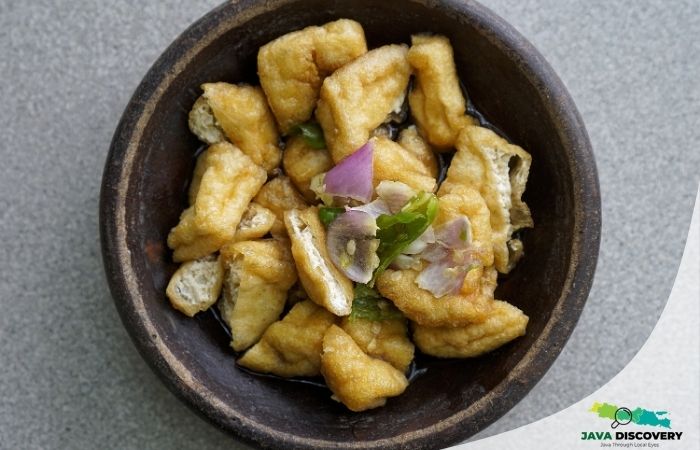
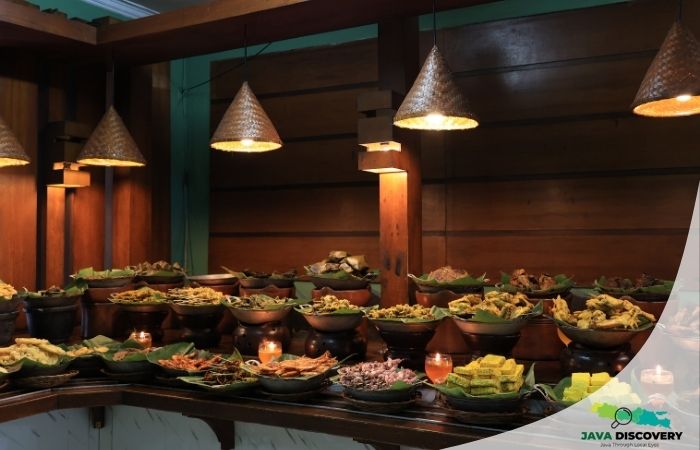
Every corner bursts with flavor. From humble warungs serving steaming bowls of mie kocok to elegant restaurants crafting fusion dishes, the city celebrates diversity through taste. On weekends, traffic surges as visitors from Jakarta flood in — seeking escape, yet finding comfort not in quiet but in flavor.
Bandung’s streets are alive with aromas — grilled meat, brewed coffee, pandan cakes, spicy sambal. Here, cuisine is not just about food; it is a continuation of Bandung’s story — a language of warmth and resilience.
Strolling Through Bandung’s Night Pulse
Walking through Bandung at night is to feel its heartbeat. On Jalan Braga, old art deco façades glow beneath strings of light. Young creators gather at coffee shops, their laughter mixing with live music. Some pose for their friends’ cameras, dressed in playful costumes — ghosts, clowns, vintage suits — performing for the digital age.
There is a rhythm to it all: the shuffle of sneakers on pavement, the hiss of espresso machines, the hum of scooters passing by. Bandung’s nightlife feels global yet local — a charming fusion reminiscent of Paris’s Champs-Élysées or Tokyo’s Shibuya. The youth pulse through the city like neon veins of energy, redefining what it means to be “urban” in Indonesia.
Between Colonial Charm and Modern Taste
By daylight, Bandung reveals its layers of history. Many restaurants and cafés now occupy Dutch colonial buildings whose teak doors and stained-glass windows have stood for a century. The iconic Gedung Sate — built in 1920 — still stands proudly, its white walls shining against the evening sky, symbolizing the harmony between past and present.
Inside these old structures, the aroma of modern gastronomy fills the air. Baristas grind beans where colonial officials once held meetings. Couples dine beneath century-old beams. The juxtaposition feels poetic — a conversation between eras, conducted through taste and texture.
From the Sea of Fire to the Sea of Flavor
Bandung’s story has come full circle. From the inferno of 1946 to the glowing kitchens of today, the city’s flame has never truly gone out — it merely changed its form. The same spirit that once fought for freedom now expresses itself through creativity, hospitality, and culinary passion.
Bandung no longer burns with fire, but with flavor — with the scent of spices, the warmth of street food, and the laughter that spills from every café. It is a city that teaches us: from ashes, beauty can rise; from struggle, flavor can bloom.