Coffee Railways of Ambarawa Mountain Steam Trains Java History

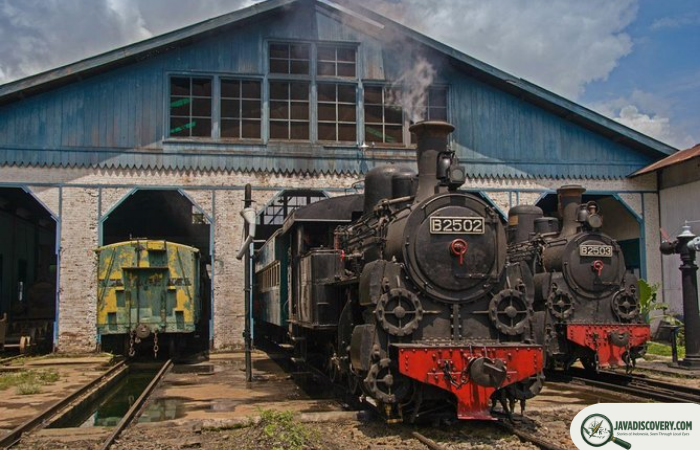
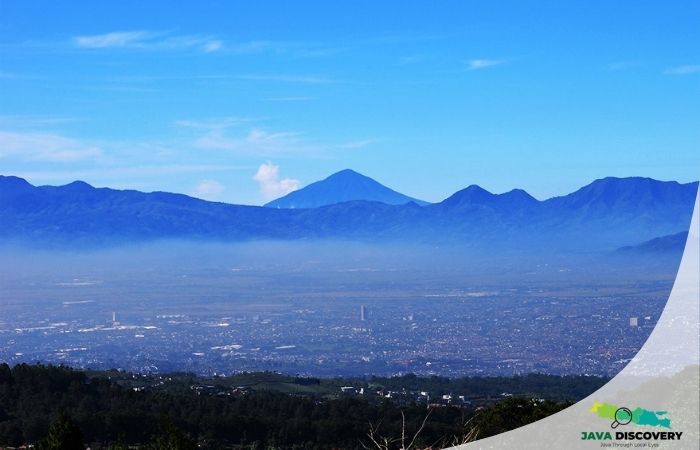
javadiscovery.com – Nestled in the cool, volcanic highlands of Central Java between Mount Ungaran, Mount Merbabu, and the tranquil waters of Lake Rawa Pening, Ambarawa holds a legendary position in the history of global transportation and trade. In the mid-19th century, as European demand for high-grade Javanese coffee reached fever pitch, the Dutch East Indies colonial government faced a formidable logistical bottleneck: how to move millions of pounds of dark, fragrant coffee beans harvested from mountain plantations down to coastal ports like Semarang. The answer was a triumph of 19th-century civil engineering: the construction of the Nederlandsch-Indische Spoorweg Maatschappij (NIS) mountain railway lines, featuring rare, specialized rack-and-pinion steam locomotives capable of conquering Java’s steepest volcanic inclines.
These steel tracks did not merely connect mountain stations to the sea; they formed the primary economic lifeline that funneled “Java Coffee” directly into the cafes and coffee houses of Amsterdam, London, Vienna, and Paris.
The Highland Harvest: Java Coffee and the Cultivation System
Following the implementation of the *Cultuurstelsel* (Cultivation System) in 1830, the highland slopes surrounding Ambarawa, Salatiga, and Temanggung were systematically converted into massive Arabica and Robusta coffee plantations (*koffie-onderneming*). The volcanic soil, abundant rain, and crisp high-altitude air yielded beans celebrated worldwide for their low acidity, full body, and distinct spicy notes—giving rise to the global slang term “Java” for coffee.
However, before the railways arrived, transporting this heavy harvest was an arduous, inefficient process:
- The Ox-Cart Bottleneck: Coffee sacks were loaded onto wooden ox-carts (*pedati*) or carried on the backs of local laborers, taking weeks to negotiate muddy mountain tracks that regularly washed out during the rainy season.
- Spoilage and Loss: Prolonged exposure to tropical humidity while in transit often damaged bean quality before the crop ever reached maritime cargo holds in Semarang.
Engineering the Impossible: The Rack-and-Pinion Steel Arteries
To overcome the formidable gradient between Bedono and Jambu—where standard smooth-wheeled locomotives slipped on wet rails—the NIS imported cutting-edge rack-and-pinion steam technology from Switzerland and Germany. Completed between 1870 and 1905, the Ambarawa line became an engineering marvel of Southeast Asia:
- The Cogwheel Mechanism: Between the standard parallel rails, engineers laid a notched center rack rail (*Riggenbach* system). Locomotives equipped with a cogged gear wheel engaged directly into this center rack, allowing trains to safely climb and descend steep 65-per-mille incline grades without slipping.
- B25 Steam Locomotives: Specialized four-cylinder compound steam engines—specifically the iconic Maschinenfabrik Esslingen B25 class—were built to push heavy freight cars loaded with coffee, sugar, and spices up the mountains while maintaining precise braking control on downhill runs.
- Fort Willem I Strategic Hub: Ambarawa was also home to the massive Dutch military fortress *Fort Willem I*, making the railway network a dual-purpose infrastructure that transported both commercial cash crops and military troops across the interior.
From Highland Station to European Salons
The inauguration of the coffee railways transformed Ambarawa into a bustling logistical nerve center where the rural highland economy collided directly with international high finance:
- Streamlined Logistics: Freshly harvested and dried coffee beans were packed into burlap sacks stamped with estate emblems, loaded onto cargo wagons in Ambarawa, and delivered to Semarang’s harbor within hours instead of weeks.
- Fueling Europe’s Coffee Culture: At the port, steamships operated by companies like the *Stoomvaart Maatschappij Nederland* carried Java’s beans across the Indian Ocean and through the newly opened Suez Canal directly to European markets, stocking the intellectual salons and grand cafes of Europe’s booming industrial cities.
Legacy: The Ambarawa Railway Museum and Living Heritage
As road transportation expanded in the mid-20th century, commercial freight traffic on the mountain lines gradually declined, leading to the official closure of standard passenger services in the 1970s. However, the extraordinary engineering legacy of the coffee line was preserved through the establishment of the Ambarawa Railway Museum (Museum Kereta Api Ambarawa).
Today, Ambarawa stands as one of the few places on Earth where historic rack-and-pinion steam trains remain fully operational. Heritage steam locomotives still chug along the scenic route between Ambarawa, Jambu, and Bedono—taking visitors along the exact steel path that once fueled the global coffee trade and shaped Java’s highland history.