Opium Dens of Batavia and Mataram Colonial Monopolies Urban Society

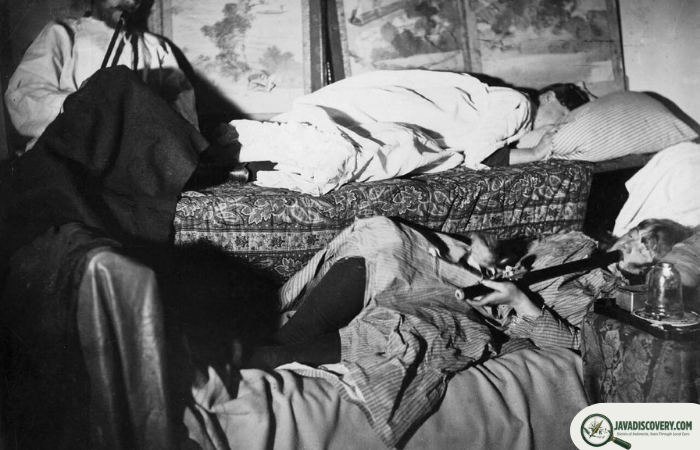
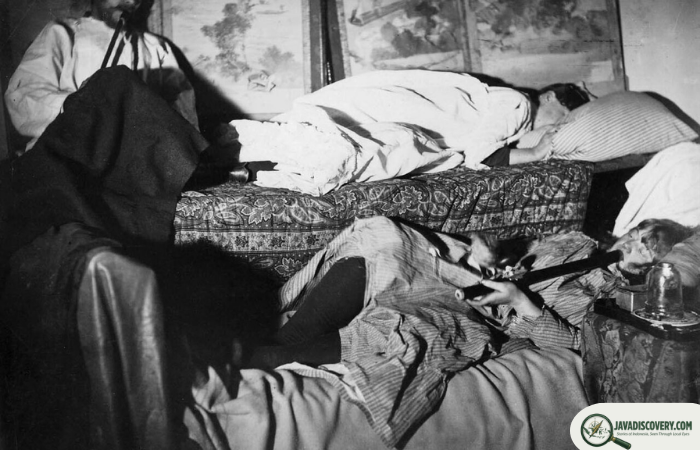
javadiscovery.com – In the dim, smoke-laden backrooms of Batavia’s Glodok district and the urban quarters surrounding the royal Mataram capitals of Surakarta and Yogyakarta, an intricate social trade unfolded throughout the 18th and 19th centuries. Here, inside licensed opium dens (*rumah chandu*), citizens across all social classes gathered to smoke refined opium. Far from being an underground criminal underworld, these establishments were fully legal, state-sanctioned institutions operated under the Dutch East India Company (VOC) and later the Dutch East Indies government. Through the lucrative revenue farm system (*Opiumpacht*), colonial authorities monetized human addiction, generating vast treasury revenues while profoundly altering urban Javanese social structures, labor dynamics, and public health.
The history of the opium dens of Batavia and Mataram reveals the double-edged sword of colonial governance, where the pursuit of imperial revenue came at the direct expense of urban social stability.
The Opiumpacht: Institutionalizing Vice for State Profit
Following the consolidation of colonial control over Java’s coastal ports and interior trade corridors, the Dutch administration turned opium into a primary fiscal pillar. Rather than managing retail sales directly, the government auctioned exclusive regional monopolies to wealthy merchant syndicates—primarily high-ranking Chinese *pachters* (farm holders):
- The Financial Engine: Opium licenses generated immense, guaranteed cash flow for the colonial treasury, often accounting for 15 to 20 percent of the total state revenue in Java during the mid-19th century.
- Syndicate Power: The *pachters* established sophisticated distribution networks, importing raw Turkish and Bengal opium, refining it into smokeable *chandu*, and leasing retail den licenses to local operators in urban centers.
- Royal Court Inclusion: In the Mataram successor states of Surakarta and Yogyakarta, local princes leased land and market rights to opium farmers, binding court revenues to the expansion of urban consumption.
Anatomy of the Urban Den: From Luxury Salons to Laborers’ Huts
The architecture and social environment of opium dens reflected the strict class stratification of colonial Java’s urban centers:
- High-Class Establishments: In wealthy districts of Batavia and courtly Surakarta, upscale dens catered to affluent European officers, wealthy Peranakan merchants, and Javanese aristocrats (*Priyayi*). These venues offered luxurious wooden couches, fine porcelain pipes, silk cushions, and tea service.
- Public Neighborhood Dens: Lower-tier dens scattered throughout urban *kampongs* catered to harbor coolies, rickshaw pullers, artisan guild workers, and day laborers. These cramped, unventilated rooms featured simple bamboo cots where exhausted workers gathered after long shifts.
- Social Spaces: Dens functioned as informal urban hubs—places where news was exchanged, business contracts negotiated, and labor crews recruited outside the formal gaze of municipal authorities.
Impact on Urban Society and the Labor Force
The widespread availability of opium triggered deep social transformations across Java’s growing cities:
- Labor Exploitation and Debt Cycles: For physical laborers working in Batavia’s ports or urban construction projects, opium served as a chemical relief from chronic pain and fatigue. However, high prices trapped workers in perpetual debt cycles to den owners and labor bosses.
- Disruption of Domestic Life: As addiction spread through urban neighborhoods, household incomes were diverted to satisfy habit demands, leading to heightened poverty, family breakdowns, and petty crime across urban kampongs.
- Social Stigma and Reform Movements: By the late 19th century, early Javanese Islamic reform movements, social critics, and ethical Dutch parliamentarians began condemning the den system, framing opium as a moral weapon that weakened indigenous Javanese society.
Transition to the Opiumregie and the End of the Dens
Facing mounting moral pressure and rampant black-market smuggling that threatened official profits, the colonial government systematically dismantled the *Opiumpacht* system between 1894 and 1904. It replaced private revenue farms with the direct state-operated Opiumregie (State Opium Monopoly):
- State Control: The *Opiumregie* centralized production at a modern factory in Struiswijk, Batavia, packaging opium in sealed metal tubes to eliminate illegal trade.
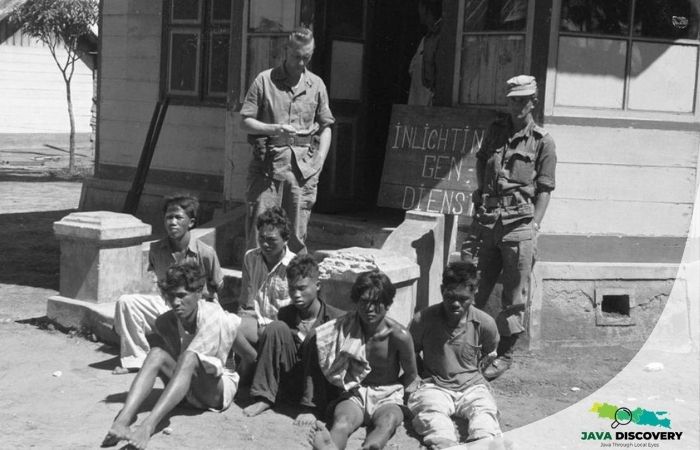
- Phasing Out Dens: Public opium dens were gradually restricted, registered, and eventually replaced with licensed medical dispensaries and strict rationing systems, bringing an end to the era of public smoking saloons.
Today, the physical opium dens of old Batavia and the Mataram courts have long disappeared into urban history. Yet, their legacy remains an essential chapter in understanding how early urban Javanese society navigated the complex, often predatory economic systems of the colonial state.