Postweg Station Masters Daendels Great Post Road Java History

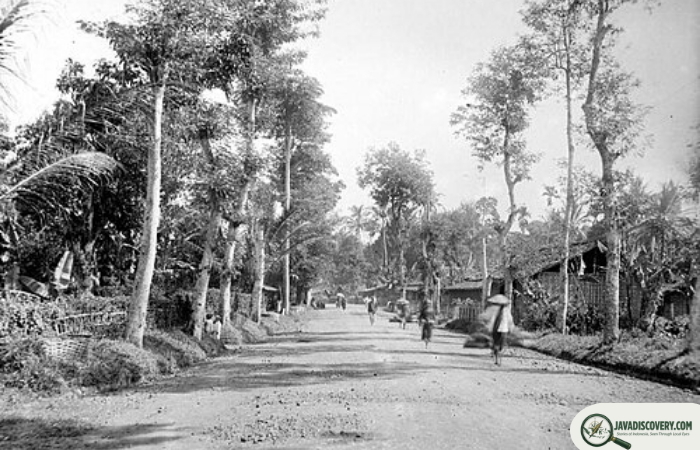
javadiscovery.com – In 1808, under the iron fist of Governor-General Herman Willem Daendels, the landscape of Java was irrevocably transformed by one of the most ambitious and brutal engineering projects in colonial history: the Grote Postweg (Great Post Road). Spanning over 1,000 kilometers from Anyer on the western tip of Banten to Panarukan on the eastern coast of East Java, this military superhighway was built at an appalling human cost, claiming the lives of tens of thousands of forced Javanese laborers (*corvée* / *kerja paksa*). Yet, once the dust settled and the initial military marching columns passed, the daily life, security, and operational pulse of this colossal artery fell onto the shoulders of a vital, forgotten class of local administrators: the Postweg Station Masters (*Postmeesters* and district *mantri*).
Positioned at regular staging posts (*poststations* or *pasanggrahan*) spaced approximately every four to six leagues across mountain passes, river crossings, and coastal plains, these station masters served as the crucial human nodes keeping mail, imperial intelligence, royal dignitaries, and commercial freight moving along Java’s backbone.
Anatomy of the Poststation: The Highway’s Nervous System
To maintain rapid transit across Java’s formidable topography—including the treacherous ascents of the Preanger highlands and the flood-prone plains of Central Java—Daendels established a standardized network of post stations. Each station served as a combined relay hub, inn, stable, and communications post:
- Horse Relays: Every post station maintained a fresh herd of 20 to 30 sturdy Javanese ponies. Station masters oversaw the rapid unharnessing and changing of horses for mail carriages (*postkoets*) and government couriers within minutes of arrival, allowing communications to travel between Batavia and Semarang in an unprecedented four days.
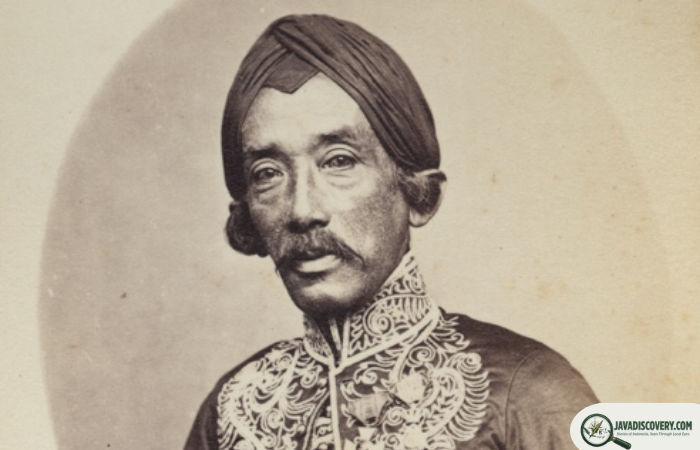
- The Station Master’s Role: Usually appointed from local Javanese aristocratic families (*Priyayi*) or seasoned Eurasian administrators, the station master managed station maintenance, fed traveling officials, supervised local postilions (*postiljon*), and ensured horse herds were healthy and well-shod.
- Logbook Records: Station masters maintained strict, leather-bound logbooks documenting every passing carriage, official permit (*paspoort*), freight weight, and weather delay—creating the first comprehensive real-time surveillance network across Java.
The Burden on the Kampongs: Local Labor and Maintenance
Behind the efficiency celebrated in colonial administrative reports lay an onerous burden placed directly on surrounding rural villages (*kampung*). The station master operated as the crucial, often uncomfortable intermediary between demanding European inspectors and local village chiefs (*Lurah*):
- Constant Road Maintenance: Tropical monsoons regularly washed away dirt embankments, destroyed wooden bridges, and triggered landslides along mountain passes like Megamendung and Cadas Pangeran. Station masters were tasked with conscripting local villagers for continuous, unpaid road repairs.
- Fodder and Supply Levies: Feeding dozens of post horses required constant supplies of fresh grass, grain, and clean water, which local farmers were forced to harvest and deliver daily to the station stables without fair compensation.
- Emergency Support: When heavy royal carriages or military supply wagons broke down or bogged down in mud, the station master mobilized local teams of water buffaloes (*kerbau*) and laborers to haul vehicles up steep volcanic inclines.
Nodes of News, Gossip, and Resistance
Because every traveler, official dispatch, and foreign guest was required to stop at these relay posts to change horses or rest overnight, the post stations evolved into dynamic crossroads of information and cultural exchange:
- The Living Telegraph: Decades before electric telegraph lines were strung along the road in the mid-19th century, station masters were the first to hear news of political unrest, crop failures, royal court scandals in Surakarta and Yogyakarta, or international naval blockades.
- Clandestine Intelligence: During regional conflicts—most notably the Java War (1825–1830)—certain Javanese station masters covertly aided Prince Diponegoro’s resistance network. By delaying Dutch dispatch riders under the guise of “lame horses” or leaking travel itineraries to rebel scouts, they turned the colonial highway against its creators.
- Cultural Syncretism: The *pasanggrahan* adjacent to post stations served as early spaces of colonial hospitality, where European travelers tasted local Javanese cuisine, heard regional folklore, and interacted directly with local elites outside formal courtly settings.
Transformation: From Steam Trains to Modern National Heritage
The golden era of the horse-drawn *Postweg* station master began to decline in the late 19th century with the arrival of the steam railway network (*Staatsspoorwegen*). Trains moved faster, carried exponentially higher tonnage, and operated independently of horse relays or muddy road conditions. Many historic post stations were gradually repurposed into municipal offices, rural bus depots, or heritage inns.
Today, as the modern *Jalur Pantai Utara* (Pantura) and national highways trace the original route carved by Daendels, the physical ruins and historic street names of old post stations remain scattered across Java. The memory of the Postweg station masters survives as a reminder of the human endurance, localized diplomacy, and unseen labor that kept Java connected through one of its most tempestuous historical eras.