Ancient Caldera Lakes of Mount Wilis Untouched Crater Waters Folklore

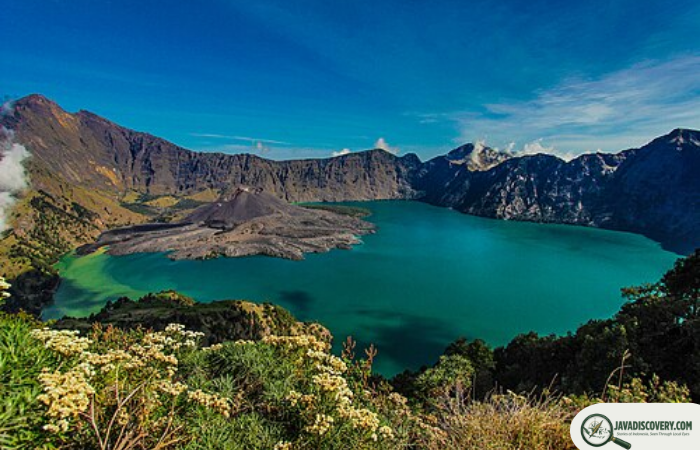
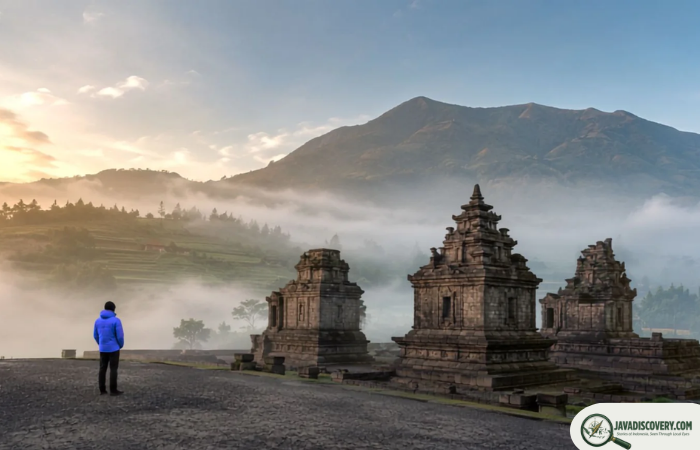
javadiscovery.com – Rising dramatically as a massive volcanic massif in East-Central Java—straddling the regencies of Nganjuk, Madiun, Kediri, Ponorogo, and Tulungagung—Mount Wilis (2,169 meters) stands as one of the island’s most enigmatic and least-disturbed natural frontiers. Unlike its more active neighbors like Kelud or Merapi, Wilis is an older, deeply eroded stratovolcano whose violent explosive past has long settled into serene, mist-shrouded quietude. Within its high-altitude calderas, deep crater walls, and steep volcanic folds lie hidden a series of pristine, untouched crater lakes—such as Telaga Ngebel on its western flanks and secluded high-altitude tarns nestled near its jagged peaks. For centuries, these silent bodies of water have served as sacred sanctuaries, embedded deeply in the spiritual folklore, meditation traditions, and rural mysticism of East Java.
Exploring the ancient caldera lakes of Mount Wilis uncovers a magical realm where undisturbed volcanic hydrology, ancient ascetic heritage, and regional Javanese legends intertwine.
The Volcanic Genesis of Wilis: Calderas and Isolated Tarns
Formed through successive volcanic collapses and millennia of heavy tropical weathering, Mount Wilis features a complex geological structure characterized by deep ravines, cascading waterfalls (such as Sedudo and Dolo), and high-elevation water catchments:
- Telaga Ngebel: The crown jewel of Wilis’s water bodies, Ngebel is a sprawling volcanic caldera lake situated on the western slopes in Ponorogo. Fed by underground thermal springs and mountain runoff, this deep natural basin acts as the primary hydrological anchor for surrounding river networks.
- Hidden Crater Tarns (*Telaga Mati*): Tucked away near the upper ridges of Wilis are secluded, lesser-known crater tarns surrounded by dense, moss-laden cloud forests (*hutan lumut*). Untouched by mass tourism, these bodies of water reflect towering ancient trees and shifting mountain mists.
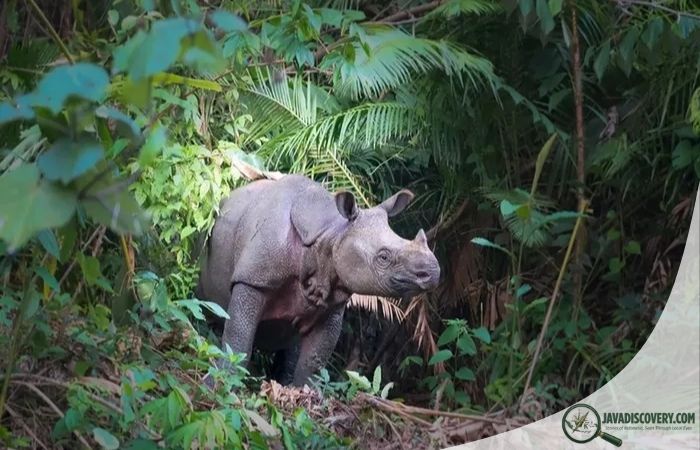
- Rich Biodiverse Watersheds: The unique isolation of the Wilis massif has preserved rare endemic flora and fauna, including endangered Javanese gibbons, eagles, and diverse highland orchids that thrive around the humid lake margins.
Folklore and Mysticism: The Legend of Telaga Ngebel
The cultural heart of Mount Wilis is anchored by rich oral histories passed down through generations. Among the most famous is the foundational legend of Telaga Ngebel, which explains the volcanic and supernatural origin of the lake:
- The Magic White Snake (*Baruklinting*): According to local Javanese folklore, the basin of Ngebel was once a vibrant village whose inhabitants captured and killed a gigantic, mystical white snake named *Baruklinting*. When an ascetic youth (the snake transformed) pierced the earth with a stick, water erupted from the hole, submerging the entire village and forming the deep crater lake.
- Spiritual Purification (*Tapa Brata*): For centuries, Mount Wilis and its caldera lakes have attracted spiritual seekers (*kejawen* practitioners and ascetics) seeking solitude. The tranquil waters are viewed as potent sites for ritual bathing (*laku rendam*), meditation, and spiritual cleansing, particularly during sacred Javanese months like *Suro*.
- The Guardians of the Crater: Local villagers residing around the base of Wilis continue to offer annual gratitude ceremonies (*larung sesaji*), casting offerings into Telaga Ngebel to honor the unseen spirits (*danyang*) and pray for agricultural safety, abundant fish stocks, and protection from landslides.
The Agricultural Lifeline: From Crater Waters to Rice Terraces
Beyond their mythological significance, the water systems originating from Mount Wilis’s caldera lakes and upper springs perform a vital economic role across East Java’s agricultural heartland:
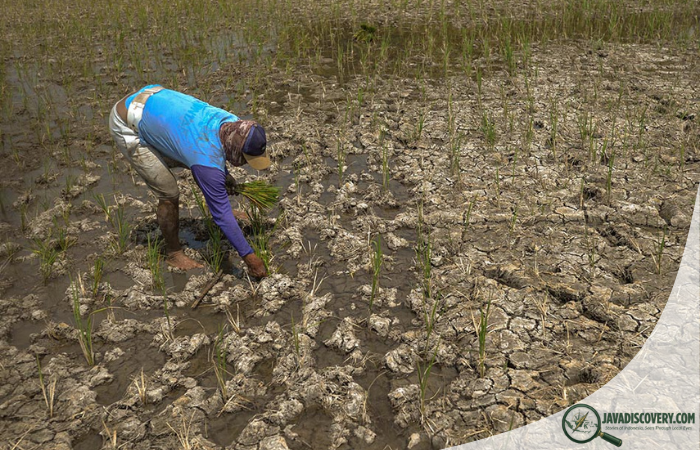
- Gravity-Fed Irrigation: Waters flowing out of Telaga Ngebel and surrounding streams are channeled through ancient gravity-fed irrigation networks that nourish thousands of hectares of fertile rice paddies (*sawah*) and fruit orchards across Madiun, Ponorogo, and Nganjuk.
- Coffee and Highland Agriculture: The rich volcanic soil surrounding the lower and middle slopes of Wilis supports thriving plantations of Robusta and Arabica coffee, cloves, and vanilla, benefiting directly from the moisture-rich microclimate created by the massif’s high-altitude lakes.
Preserving the Wild Quietude of Mount Wilis
As modern tourism expands across Java, Mount Wilis remains remarkably well-preserved due to its rugged terrain and lack of major trunk roads crossing its core peak. This geographical isolation has protected its caldera lakes from the commercial pressures facing other Javanese mountains.
Today, the pristine waters of Wilis stand as tranquil guardians of Java’s ancient past—a place where quiet crater lakes mirror the mist, and the echoes of timeless folklore still whisper through the surrounding rainforests.