Chinese Captains of Lasem Mercantile Dynasties Fusion Architecture

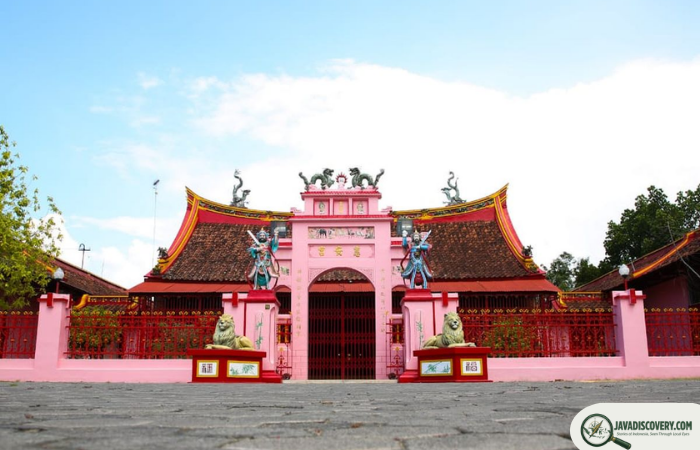
javadiscovery.com – Nestled along the quiet, sun-baked coast of East-Central Java in Rembang Regency, the historic town of **Lasem** is affectionately celebrated as Kota Pusaka (Heritage City) and Tiongkok Kecil (Little China). Long before it became a serene coastal enclave, Lasem was one of the earliest and most vital maritime landing points for Chinese immigrants arriving in Java, dating back to the 14th and 15th centuries. Under the Dutch colonial administration’s *Wijkenstelsel* (quarter system) and *Kapitein der Chinezen* system, the governance and economic life of Lasem’s sprawling Chinese quarter (*Karangturi* and *Babagan*) were entrusted to appointed community leaders—the **Chinese Captains** (*Kapitan Cina*). These mercantile dynasties, spanning prominent clans like the Oei, Han, and Chen families, amassed immense fortunes through maritime shipping, opium trade, agriculture, and world-renowned batik production.
The enduring legacy of Lasem’s Chinese Captains lives on through the town’s remarkably preserved urban grid and its distinct fusion architecture—a harmonious synthesis of traditional Fujian courtyard design, Javanese *Joglo* spatial principles, and European colonial details.
The Kapitein System: Merchant-Diplomats of the North Coast
The office of the *Kapitein der Chinezen* was established by the Dutch East India Company (VOC) to maintain social control, collect municipal taxes, and regulate trade within foreign oriental quarters (*Vreemde Oosterlingen*). In Lasem, however, the Captains were far more than tax collectors; they were visionary community patriarchs and cultural diplomats:
- Trade Networks and Opium Monopolies: Operating along the Lasem River (*Kali Lasem*), the Captains controlled riverine customs posts, offloading maritime goods directly into private warehouse compounds. Many held lucrative local opium farm concessions (*Opiumpacht*) and owned fleet vessels trading across Singapore, China, and the Java Sea.
- Patrons of Batik Lasem: The Captains’ households financed and nurtured *Batik Lasem*—a world-famous, high-status coastal batik (*Batik Pesisir*). By combining traditional Chinese motifs (such as dragons, phoenixes, and bats) with bold Javanese patterns and deep *abang mori* (blood-red) natural dyes, they created a globally sought-after textile art form.
- Diplomatic Stewards: During periods of regional conflict, including the aftermath of the 1740 Batavia Massacre and the Java War, Lasem’s Captains acted as crucial mediators, protecting local residents while maintaining commercial stability along the Pesisir.
Anatomy of the Lasem Compound: Courtyards and Architectural Fusion
The palatial residential compounds (*Rumah Inggil*) built by the Chinese Captains of Lasem represent one of the most distinctive vernacular architectural traditions in Southeast Asia. Surrounded by soaring white perimeter walls (*benteng*) designed for security and privacy, each compound unfolds along a sacred geometric axis:
- Fujian Siheyuan Layout: Influenced by Southern Chinese architecture, compounds feature a central open-air courtyard (*tian jing* or “heavenly well”) flanked by symmetrical side wings. The courtyard facilitates natural ventilation, captures rainwater, and serves as an indoor garden where family members gather.
- The Ancestral Hall (Main Pavilion): At the heart of the compound stands the main hall, featuring sweeping curved roofs (*swallowtail* or *yānwěi* ridges) decorated with porcelain mosaic tiles (*cut-and-paste* or *jianniu*). Inside, elaborate red-and-gold gilded teak altars honor family ancestors and deity guardians such as Guan Yu or Mazu.
- Javanese and European Touches: Demonstrating profound cultural syncretism, many Captains added traditional Javanese *Joglo* roof structures to their front reception verandas (*pendopo*), while incorporating European Indische elements like Tuscan columns, imported Dutch floor tiles, and louvred timber shutters.
Preserving the Living Heritage of Tiongkok Kecil
While many historic urban centers across Java suffered extensive modernization and demolition, Lasem’s relative geographical isolation in the late 20th century preserved its ancient streetscapes. Today, walking down the narrow, red-brick alleyways of Karangturi feels like stepping into a living museum of 19th-century maritime Java.
In recent years, descendants of the original Captain dynasties, together with local community groups and heritage architects, have spearheaded adaptive reuse initiatives. Historic compounds have been carefully converted into heritage guesthouses, cultural centers, and artisanal batik workshops—ensuring that the vibrant legacy, architectural brilliance, and spirit of cultural harmony embodied by the Chinese Captains of Lasem endure for centuries to come.