Pre Colonial Irrigation Channels Malang Majapahit Water Engineering

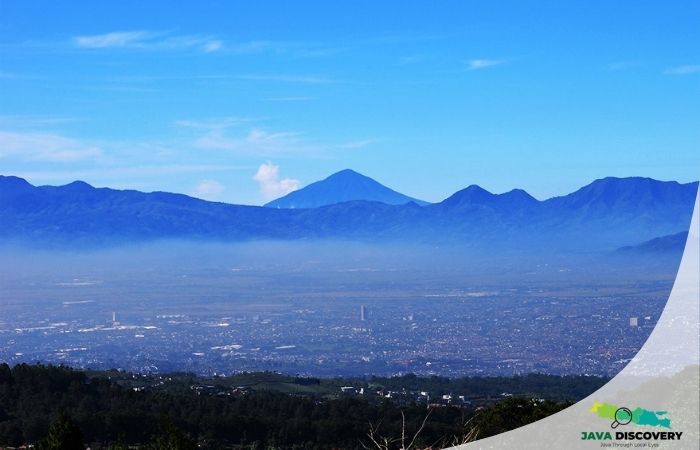
javadiscovery.com – High in the fertile, volcano-ringed basin of East Java, the Malang Plateau is surrounded by the towering peaks of Mount Kawi, Mount Arjuno, and the Tengger massif. Today, this highland landscape is famous for its lush agricultural output, where endless terraces of emerald-green rice paddies (*sawah*) stretch across the hillsides. While modern visitors often attribute Java’s complex rural infrastructure to 19th-century colonial agronomy, the true hydraulic foundation of Malang is far older. Beneath the topsoil and woven into the modern canal networks lie subterranean tunnels, carved stone aqueducts, and gravity-fed weir systems engineered during the Singhasari and Majapahit eras (13th to 15th centuries CE). Known locally as sugetan or terowongan kuno, these ancient water channels represent a triumph of pre-colonial Javanese civil engineering—an unbroken hydrologic tradition that continues to nourish highland agriculture in the 21st century.
Tracing the ancient irrigation channels of Malang reveals how medieval Javanese hydraulic masters (*samya-haji* and *subak*-style water guilds) harnessed volcanic hydrology to build an agricultural empire.
The Hydraulic Sacred Geography of the Malang Basin
In classical Javanese cosmology, water (*amrta*) was not merely an economic resource; it was a divine gift originating from the sacred peaks of cosmic mountains like Mount Penanggungan and Mount Kawi. During the reign of King Kertanegara of Singhasari and later the rulers of Majapahit, managing this mountain runoff was both a spiritual duty and an imperial necessity:
- Taming Volcanic Runoff: Mountain streams flowing down from Mount Arjuno carried nutrient-rich volcanic ash and silt. Majapahit engineers recognized that by controlling these violent seasonal torrents, they could simultaneously fertilize and irrigate the high plateau.
- Subterranean Water Tunnels (*Terowongan Waterwerk Kuno*): To traverse rocky limestone spurs and steep volcanic ridges without losing water to evaporation, medieval engineers hand-carved miles of underground channels directly through solid volcanic tuff. Features such as vertical inspection shafts (*Manhole*) and subterranean brick vaulted conduits remain operational in areas surrounding Karangploso, Turen, and Singosari.
- Inscriptional Evidence (*Prasasti*): Copperplate and stone inscriptions from East Java—such as the 14th-century *Prasasti Harinjing* and *Prasasti Kanuruhan*—explicitly record royal decrees granting tax-free status (*sima*) to communities in exchange for constructing and maintaining public dams (*dawuhan*) and irrigation canals.
Anatomy of Pre-Colonial Water Engineering
The longevity of Majapahit-era irrigation systems lies in their sophisticated, low-impact design principles that worked in harmony with natural topography:
- Dawuhan (Stone Weirs and Masonry Dams): Built across river tributaries using fitted volcanic river stones sealed with natural lime and clay mortar, these ancient dams diverted river flow into primary distribution canals without disrupting total river ecology.
- Kletek and Siphon Systems: Where irrigation channels needed to cross natural ravines, engineers built stone aqueducts or designed inverted siphon systems, utilizing hydrostatic pressure to lift water across low-lying terrain to higher agricultural terraces.
- Proportional Water Dividers (*Bagi Water*): To prevent water disputes between upstream and downstream villages, stone distribution blocks carved with precise notch widths divided canal flow proportionately according to land area—a precursor to modern civil hydraulic engineering.
Community Stewardship: The Ancient Guild System
Physical infrastructure alone could not have survived for seven centuries without a robust social framework. Long before the Dutch formalized regional water boards (*Waterschap*), East Javanese farming communities organized into autonomous water-management cooperatives akin to Bali’s *subak* system:
- Ulu-Ulu Desa (The Water Masters): Elected village officials known as *Ulu-Ulu* oversaw the seasonal distribution of water, coordinated canal maintenance, and cleared silt deposits after heavy monsoon floods.
- Gotong Royong and Ritual Maintenance: Annual canal restoration was treated as a sacred communal responsibility (*gotong royong*). Before clearing channels or opening sluice gates for the new planting season, farmers performed *Bersi Desa* and *Slametan* rituals at local water springs (*petirtaan*), offering prayers to Devi Sri, the goddess of rice and fertility.
The Coexistence of Ancient and Modern Systems
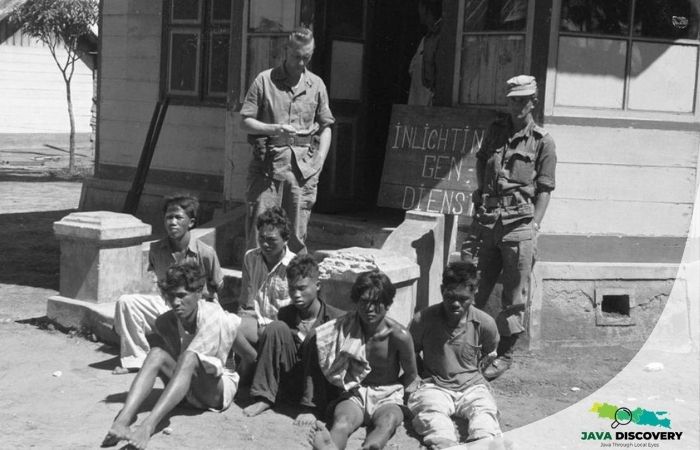
When Dutch colonial engineers expanded irrigation infrastructure in East Java during the late 19th-century sugar boom, they rarely built new networks from scratch in Malang. Instead, colonial surveyors mapped existing Majapahit channels, capping ancient stone weirs with concrete and incorporating medieval underground tunnels directly into the state’s modern hydraulic grid.
Today, as climate change and rapid urbanization alter regional weather patterns and encroach upon farmland across Malang, these ancient channels demonstrate remarkable resilience. Carved by hand over seven hundred years ago, the stone conduits of Majapahit stand as living monuments to Java’s enduring ancestral wisdom—silently channeling life-giving mountain waters to feed generations past, present, and future.