Royal Botanical Legacy of Bogor Flora Trials Javanese Agriculture

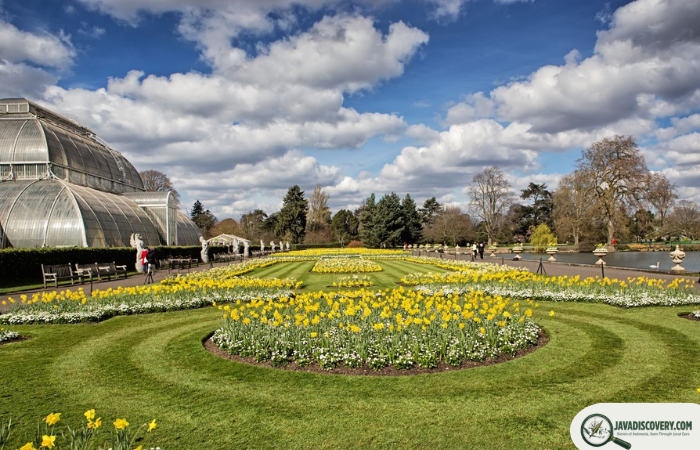
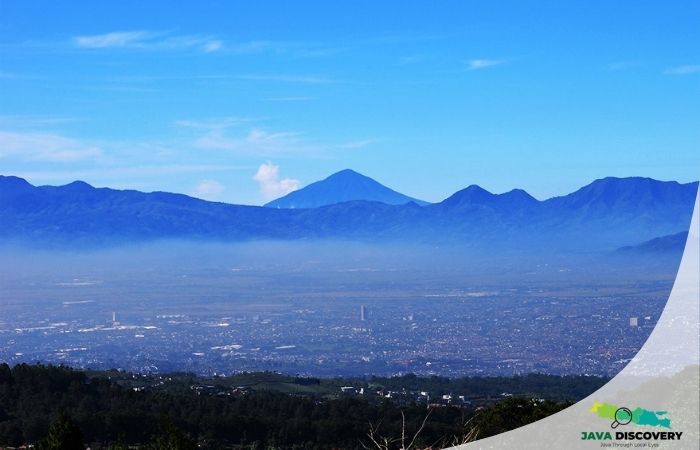
javadiscovery.com – Nestled in the rain-drenched foothills between Mount Salak and Mount Gede, the city of Bogor—known during the Dutch colonial era as *Buitenzorg* (“Without Care”)—holds an legendary place in world botanical history. The center of this legacy is the world-renowned Kebun Raya Bogor (Bogor Botanical Gardens), founded in 1817 by German-Dutch botanist Caspar Georg Carl Reinwardt. Yet, to view Bogor simply as a picturesque park of giant water lilies and manicured avenues is to miss its true historical weight. Beyond its ornamental lawns, colonial Buitenzorg served as the primary agricultural research and development laboratory for the Dutch Empire in Asia. Through rigorous acclimatization trials, soil analysis, and genetic experimentation, the botanical networks centered in Bogor systematically introduced, domesticated, and distributed non-native plant species from across the Americas, Africa, and East Asia.
These botanical trials did not merely alter the gardens; they fundamentally transformed Java’s agricultural landscape, turning a self-sustaining rice-growing island into the most lucrative cash-crop export engine in global colonial history.
The Acclimatization Engine: From Experimental Beds to Island-Wide Monoculture
During the 19th century, European botanical gardens were not passive museums; they were weapons of economic empire. Under visionaries like Dr. Johannes Elias Teijsmann and Dr. Melchior Treub, the Buitenzorg garden established specialized experimental satellite stations (*Cultuurtuin*) in nearby Tjikeumeuh and the highland slopes of Cibodas:
- Cinchona and the Malaria Cure: In the 1850s, after initial attempts to cultivate South American *Cinchona* trees failed elsewhere, Bogor botanists successfully acclimated *Cinchona ledgeriana* in the cool highlands of West Java. This breakthrough made Java the world’s primary producer of quinine—the essential medicine that allowed European powers to survive malaria and expand deep into tropical Asia and Africa.
- The Oil Palm Migration: In 1848, four oil palm seeds (*Elaeis guineensis*) were brought to Bogor from West Africa and Mauritius. Planted in the garden’s trial beds, these four parent trees thrived in Java’s volcanic soil, eventually giving rise to the entire multi-billion-dollar palm oil industry across Indonesia and Malaysia today.
- Coffee, Rubber, and Tea Optimization: When *Hemileia vastatrix* (coffee leaf rust) devastated Java’s lucrative Arabica plantations in the late 19th century, Bogor botanists imported and tested disease-resistant Robusta varieties from the Congo basin, saving the island’s coffee economy. Concurrently, experiments with Brazilian Para rubber (*Hevea brasiliensis*) and Assam tea laid the groundwork for massive highland estate conversions.
Socio-Ecological Consequences Across Rural Java
The successful trials conducted in Bogor’s greenhouse nurseries reverberated across every river valley and mountain terrace in Java, reshaping indigenous farming life:
- Displacement of Food Crops: As colonial authorities and private concessionaires recognized the astronomical profits promised by Bogor’s acclimated cash crops, millions of hectares of traditional wet-rice paddies (*sawah*) and communal forests were converted into intensive monoculture plantations under the *Cultuurstelsel* (Cultivation System).
- Forest Fragmentation: The introduction of high-altitude export crops like tea and cinchona led to widespread clearing of primary West Javan rainforests along the Priangan highlands, permanently altering local watersheds and biodiversity.
- Rise of Scientific Forestry and Agronomy: On the positive side, Bogor’s research institutions birthed modern Indonesian agricultural science. The specialized laboratories at Buitenzorg attracted top international scientists, establishing foundational research on tropical plant physiology, pest management, and soil chemistry.
The Modern Legacy: Living Archives of Global Botany
When Indonesia achieved independence, the vast network of colonial research stations centered around Kebun Raya Bogor was inherited by national scientific bodies, becoming the foundation of the Indonesian Institute of Sciences (LIPI, now BRIN). Today, the ancient mother trees—including descendants of the original 1848 oil palms and historic Cinchona specimens—still stand within the garden grounds.
The royal botanical legacy of Bogor endures as a powerful testament to how human scientific curiosity, when bound to global trade, could forever rewrite the ecological and socio-economic destiny of an island.