The Best Hidden Waterfalls in Central Java You’ve Never Heard Of

javadiscovery.com – Follow the river sounds instead of the road signs and Central Java reveals another face—mist-laced ravines, fern-draped cliffs, and waterfalls that locals keep in a softer voice. Beyond temple spires and busy town squares, these falls wait at the ends of bamboo paths and farmer trails, where the air smells of wet stone and cloves and every footstep echoes against moss.
Curug Lawe and Curug Benowo
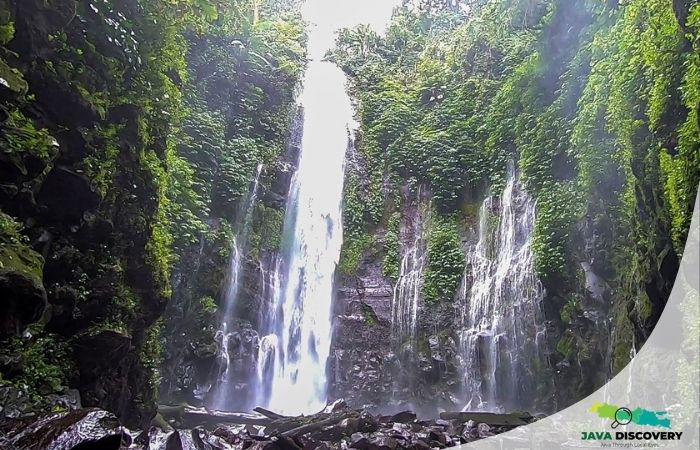
On the misty shoulders of Mount Ungaran near Semarang, twin cascades hide inside a pocket of rainforest. The trail slips through coffee shrubs and stands of bamboo, the sound of water arriving long before the view. Curug Lawe feathers into dozens of silver threads, while Curug Benowo tumbles in a single, muscular drop. Locals speak of guardian spirits that keep the valley calm; respect the hush and the valley seems to breathe slower with you.
Trails can be slick after rain. Expect shallow river crossings, simple footbridges, and birdsong that grows louder as the path narrows. Arrive early—clouds roll in by noon, folding the forest back into itself.
Curug Silawe
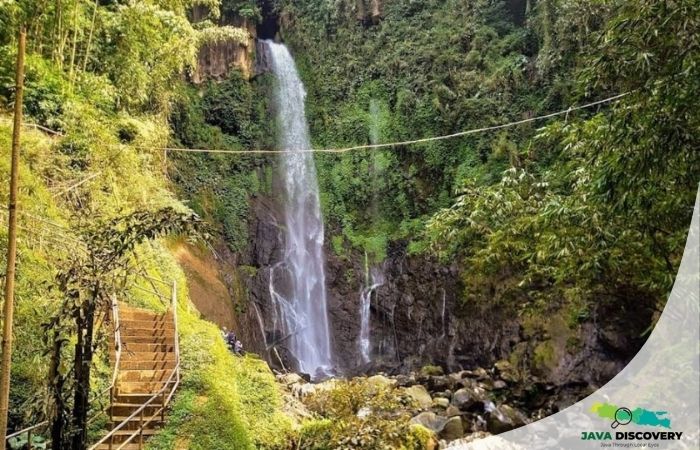
West of Magelang, Curug Silawe plunges from the flanks of Mount Sumbing into a bowl of cliffs and rice terraces. The approach passes village lanes perfumed by woodsmoke and clove, then descends to a viewpoint where spray lifts like morning incense. Old stories here whisper about celestial maidens who once bathed in the pool—echoes of an era when mountains were palaces and rivers were doorways.
The main drop is tall but the mood is intimate. On weekdays, you may hear only cicadas and the steady breath of falling water. The path is stepped and shaded; sandals will do, but grippy shoes feel wiser.
Kedung Kayang
Between Mount Merapi and Mount Merbabu, Kedung Kayang threads a gorge of black lava rock and blue-green pools. On clear mornings, Merapi’s cone rises behind the cascade like a sentry. Photographers favor the wooden viewpoints above the gorge; hikers descend to the river to feel the spray and watch swallows cut arcs through the mist.
The terrain tells stories—old lahars hardened into stepped shelves, new ferns claiming every crack. If the river runs high, heed local advice. Here the landscape is living, and volcanoes set the rhythm.
Curug Jenggala

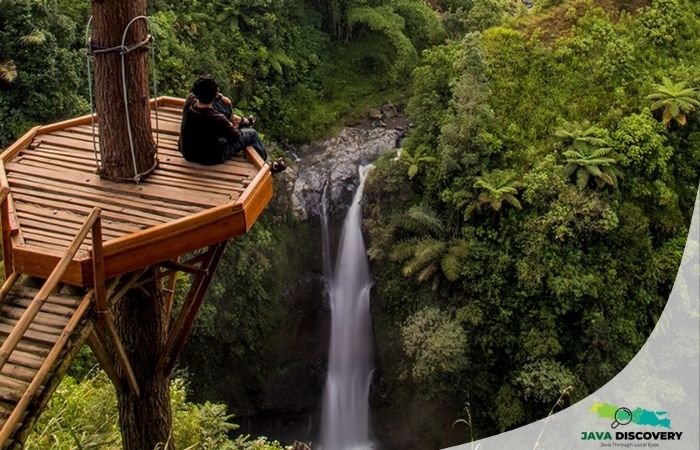
In Banyumas, a community revived Curug Jenggala from a forgotten corner into a pine-framed hideaway. The fall itself is modest and graceful, fanning over moss-green rock. What lingers is the sense of care: bamboo railings, tidy footpaths, and a lookout built by village youths who saw nature not as a backdrop but as a future.
Weekends draw couples to the iconic heart-shaped deck; weekdays return the forest to whispers. Buy snacks from the small kiosks—your rupiah loops back into the trees that shade the trail.
Curug Cipendok and Curug Gung
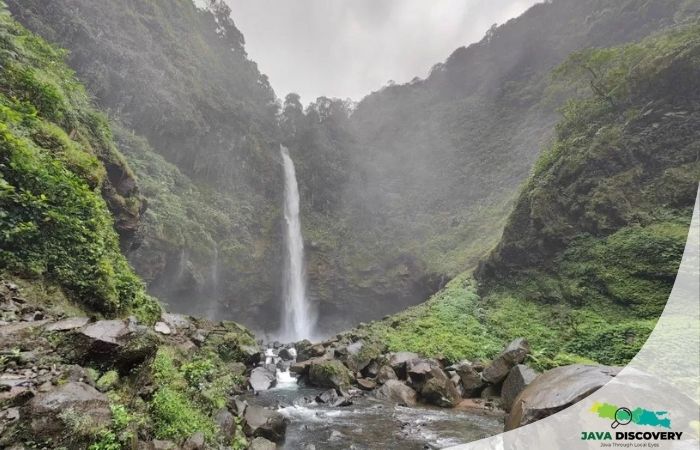
Also in Banyumas, Curug Cipendok roars from a high cliff into a bowl of spray, a classic postcard of Java’s rainforest. A short drive away, Curug Gung keeps a lower profile. Fewer visitors come, and the path feels like a green corridor stitched by birdsong. Together they show two faces of the island: the dramatic and the contemplative, the thunder and the hymn.
Forest edges here are busy with life—orchids clinging to trunks, butterflies hovering over damp rock. Take your time. These are places that reward a slower pulse.
How to Explore Responsibly
Hire local guides when available; they know which stones are sure and which taboos are not to be crossed. Pack out every wrapper. Stay on established paths to prevent erosion. Ask before swimming—some pools are sacred or seasonally unsafe. Support village kiosks and parking attendants; small contributions keep trails open and forests standing.
Listening to the Island’s Hidden Heartbeat
In the cool drift of spray and fern, Central Java speaks in water syllables. These falls are not spectacles to conquer but rooms to enter softly. Stand a while and the island’s older language returns—rock, root, mist, and time—reminding us that beauty here is not announced; it is discovered, one careful step at a time.