The Role of Music and Dance in Cirebonese Culture

javadiscovery.com – On the northern coast of Java lies Cirebon, a city where every rhythm and gesture tells a story. Once a thriving port that welcomed traders from Arabia, China, and across the Indonesian archipelago, Cirebon became a meeting point of cultures and beliefs. Here, music and dance evolved beyond entertainment — they became the city’s living language of devotion, philosophy, and identity.
The Melodic Heritage of Cirebon
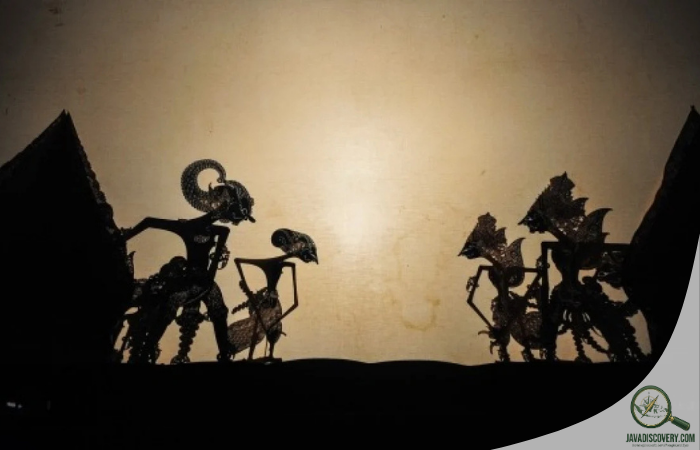
Among Cirebon’s most treasured traditions is its gamelan ensemble. Softer than Central Java’s and livelier than West Java’s, the Cirebonese gamelan reflects the city’s unique spirit — calm yet dynamic. Instruments like the bonang, kendang, and rebab create a layered rhythm that flows through royal ceremonies, shadow puppet shows, and community rituals.
Many of these melodies carry deep spiritual meaning. Influenced by Islamic mysticism and Javanese cosmology, the lyrics often deliver moral teachings, while the rhythm mirrors the duality of human life — harmony between the seen and unseen. In Cirebon, music is both a form of expression and a prayer in motion.
The Sacred Movements of Dance
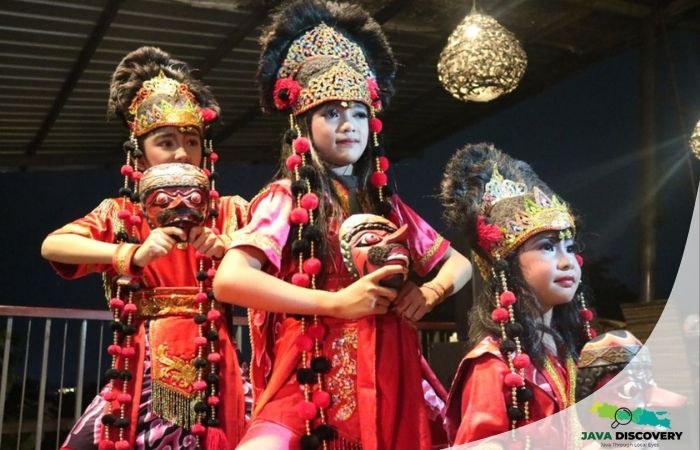
If music speaks to the soul, Cirebon’s dances give it a body. The Tari Topeng Cirebon, or Cirebon Mask Dance, remains one of the most iconic art forms in Java. Each mask — from the calm Panji to the fierce Klana — represents a different human emotion, guiding the audience through tales of virtue, struggle, and transformation. The dancer, hidden behind the mask, becomes a vessel of timeless stories passed down for generations.
Another mesmerizing performance is the Tari Sintren. Rooted in mysticism, it tells the story of a young woman entering a trance while guided by music and incense. The transformation symbolizes purity and spiritual awakening — a moment when the boundaries between the physical and the divine dissolve. Watching Sintren is like witnessing faith take form through rhythm and grace.
Artisans, Heirs, and Modern Revival
Across villages such as Gegesik and Losari, devoted masters — known as maestro topeng — continue to craft masks and train young dancers in wooden houses filled with the scent of paint and the echo of drums. For them, preserving tradition is not just cultural work; it is a sacred duty to keep the spirit of Cirebon alive.
In recent years, a new wave of artists has brought these ancient arts to the modern stage. Collaborations between traditional gamelan and contemporary instruments, along with performances at international festivals, have reintroduced Cirebonese culture to the world. Yet even in modern reinterpretations, the essence remains the same — devotion, storytelling, and connection to the ancestors.
Harmony in Diversity
Music and dance in Cirebon are living testaments to harmony — between past and present, between the human and the divine. They embody the city’s blended heritage of Javanese elegance, Sundanese rhythm, and coastal openness. Through every note and movement, Cirebon continues to remind us that beauty thrives in diversity, and tradition lives on when the heart still listens.