Geothermal on Mount Lawu Between Power and Preservation


javadiscovery.com – At dawn on Mount Lawu’s ridgelines, tea shrubs bead with dew and the air smells faintly of pine resin. Below the clouds, terraced fields step toward sacred stone terraces—temples, springs, and village shrines that have anchored life here for centuries. When talk of tapping the volcano’s heat rose again, the mountain seemed to breathe differently: a promise of electricity for the nation, and a reminder that fire lives beneath a living homeland.
The Mountain That Holds Many Worlds
Lawu straddles Central and East Java. Its slopes cradle farming hamlets, montane forest, and a constellation of sacred places—among them Candi Sukuh and Candi Cetho, late-Majapahit sanctuaries oriented to the mountain itself and to water sources that locals still consider holy. These are not just monuments; they are part of a wider ritual landscape intertwined with springs and ancient paths.
Why Geothermal Looks Like an Answer
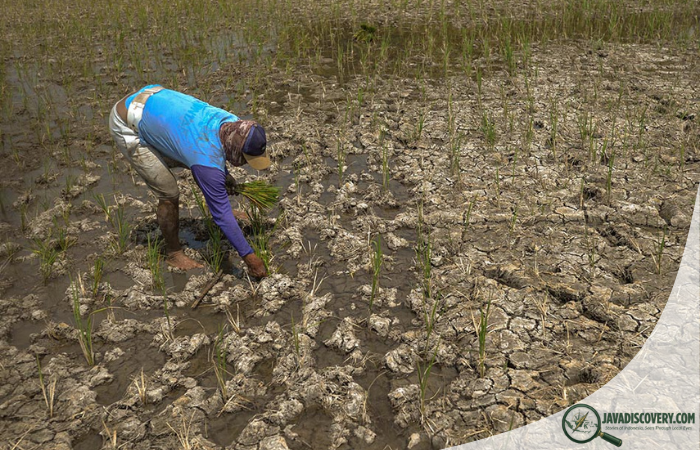
Geothermal is often framed as Indonesia’s quiet giant: baseload, weather-proof, and local. Unlike wind and solar, it can run day and night; unlike fossil fuels, it is meant to lower carbon intensity and import dependence. Advocates point to relatively compact footprints for well pads and plants compared to large dams or mines. In farming regions, the technology’s byproducts can even seed unexpected innovations: researchers from UGM and partners at Pertamina Geothermal have developed nano-silica liquid boosters—popularly dubbed “Katrili”—derived from geothermal silica waste to improve crop yields, hinting at circular benefits when projects are thoughtfully designed.
But the Ground Has a Memory
Communities living with volcanoes understand risk as continuity: micro-earthquakes, changes in groundwater behavior, noise, and the reshaping of landscapes. Many residents around Lawu worry about water security, forest edges, and rituals tied to springs and temple precincts. Earlier proposals for Lawu encountered such headwinds that, in past cycles, development appeared to stall amid regulatory and social challenges.
Clarity, Controversy, and the Latest Position
In October 2025, amid viral claims that Lawu was included in a new geothermal auction, Indonesia’s Ministry of Energy and Mineral Resources (ESDM) clarified that Mount Lawu is not part of any designated geothermal working area, with no auction or exploration underway. Still, the rumor’s persistence revealed public anxiety about balancing national energy goals with mountain ecology and local belief systems.
The Need for Responsible Development
If geothermal exploration ever reaches Lawu, the path forward must begin with transparency. The Environmental Impact Assessment (AMDAL) must be comprehensive and inclusive, not a procedural box to tick. Some experts suggest that when communities are genuinely involved—sharing in profits, data, and environmental monitoring—geothermal can coexist with conservation. The success stories depend on corporate responsibility and long-term stewardship rather than short-term extraction.
Reflection: Between Fire and Faith
To live near a volcano is to live between two fires: one beneath the earth, one within human ambition. Mount Lawu teaches that energy is not just about heat and turbines—it is about respect, rhythm, and remembering that the mountain’s power already sustains life long before it is wired into a grid.