Pilgrimage to Mount Kawi: Between Faith and Fortune

javadiscovery.com – On the mist-shrouded slopes of Mount Kawi in East Java, faith and fortune converge in ways that blur the line between the sacred and the supernatural. Each year, thousands of pilgrims—Muslim, Buddhist, Confucian, and Javanese mystics alike—climb this quiet mountain not for its summit, but for its unseen powers. They come seeking blessings, prosperity, and spiritual peace at one of the island’s most enigmatic shrines.
The Mountain of Many Beliefs
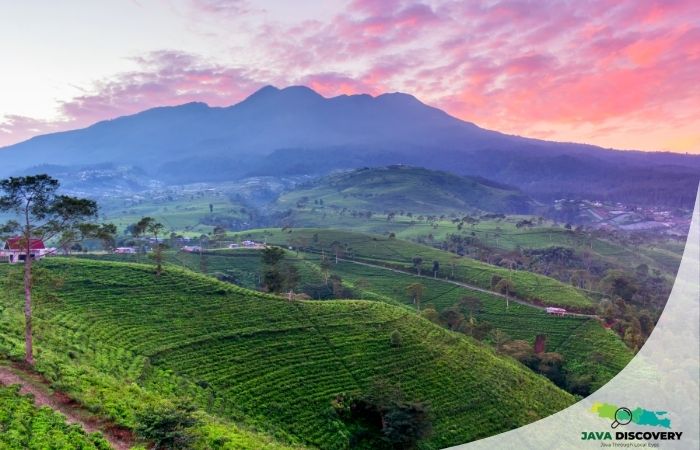
Mount Kawi, located near Malang, is not just a mountain—it is a living symbol of Java’s spiritual diversity. The pilgrimage site, known locally as Padepokan Gunung Kawi, was founded in the 19th century and honors two venerated figures: Eyang Jugo and Eyang Sujo. Both are believed to be wise men who disappeared mysteriously into the mountain, leaving behind an enduring spiritual presence. Today, their tombs attract believers from across Indonesia who come to meditate, pray, or burn incense while whispering their deepest wishes.
Faith and Fortune Intertwined
Unlike most sacred sites, Mount Kawi carries a unique reputation: it is said to bless the faithful not only with serenity but also with wealth. Traders, entrepreneurs, and business owners frequently make pilgrimages here, offering flowers and coins in hopes of divine guidance for success. Many visitors bring uang koin Kawi—special coins believed to bring luck when kept in wallets or shops.
“I come here every year before the planting season,” said Pak Darmo, a rice farmer from Kediri. “It’s not just about asking for wealth, but for harmony in life. The mountain listens when your heart is sincere.”
The Rituals and the Atmosphere
The pilgrimage begins at the main gate adorned with Chinese-style red lanterns and Javanese carvings—a visual reminder of Java’s cultural syncretism. Inside, pilgrims light incense sticks, bow before ancestral statues, and circle the tomb complex while reciting prayers. Some meditate under the ancient banyan trees believed to house mountain spirits, while others quietly tie red threads around their wrists as symbols of protection.
The air is heavy with the scent of sandalwood and smoke, mingling with the soft murmur of prayers and the rustling of leaves. Around the shrine, small stalls sell amulets, incense, and framed portraits of Eyang Jugo—proof that belief has also become an economy of devotion.
The Spirit of Syncretism
Mount Kawi embodies the essence of Javanese spirituality—fluid, inclusive, and deeply personal. Here, the boundaries between religions fade. Muslim pilgrims recite verses from the Quran, while Buddhists offer flowers and meditate in silence. The mountain stands as a reminder that Java’s faith is not about dogma, but about harmony between humans, nature, and the unseen world.
Modern Pilgrimage in a Changing World
Today, Mount Kawi continues to attract visitors not only for spiritual reasons but also for cultural curiosity. Young travelers come to witness a tradition that has survived modernization. The site’s growing popularity has brought paved roads, guesthouses, and guided tours, yet its mystic aura remains untouched. Even skeptics leave with a quiet reverence, aware that something ancient still breathes within these misty slopes.
In Mount Kawi’s silence, faith and fortune no longer compete—they coexist. And perhaps that is the mountain’s greatest secret: in believing, one already receives.