Seblang Tradition Revealing Banyuwangi’s Sacred Cultural Ritual


javadiscovery.com – The Seblang tradition is one of the most profound cultural expressions in Banyuwangi. It is a ritual that blends spirituality, ancestry, and the communal identity of the Osing people — the Indigenous community of East Java’s easternmost region. Despite rapid modernization, this sacred performance continues to thrive, protecting stories and values passed down for generations.
Held once a year, Seblang serves as a ritual of thanksgiving and purification. Communities believe it helps repel misfortune, ensure safety, and strengthen harmony between the living and their ancestors. Visitors often describe its atmosphere as both mystical and deeply moving, shaped by music, incense, chants, and the presence of dancers believed to enter a trance guided by ancestral spirits.
Two Living Traditions Olehsari and Bakungan
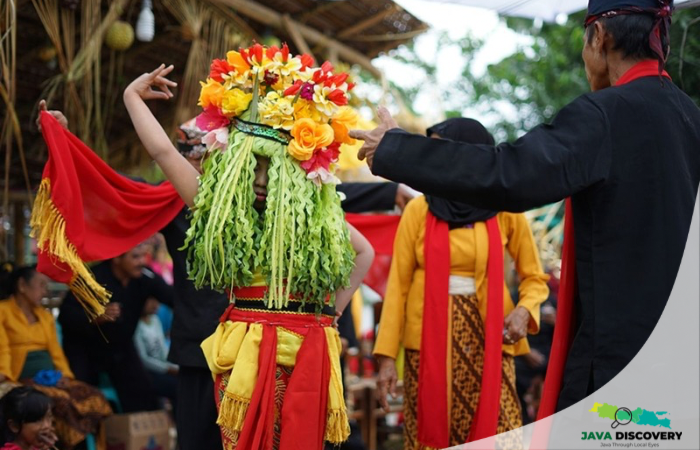
Today, the Seblang tradition remains alive in two neighboring areas of Glagah District: Olehsari Village and Bakungan. Although they share the same name, each has its own character, history, and ritual structure.
Seblang Olehsari emerged around 1930. Here, the dancer is a young girl chosen from a hereditary lineage. Only women descended from previous Seblang dancers may perform, a sign of continuity and spiritual legitimacy within the community.
Seblang Bakungan traces its roots much further back, believed to date to 1639. In this version, the dancer is an elderly woman who has entered menopause. The performance lasts through the night, surrounded by a deep, dreamlike ambience shaped by flickering lamps, traditional songs, and the steady rhythm of Osing percussion.
Both forms of Seblang share a defining element: the dancer enters a trance state. The Osing people believe that during the ritual, the dancer becomes a medium for dhanyang — ancestral guardian spirits who communicate their presence through movement and expression. This trance underscores the ritual’s sacred purpose, allowing the community to symbolically reconnect with its roots.
Distinctive Costumes and Sacred Timing
The differences between the two Seblang traditions also appear in their costumes and performance schedules.
Costumes
In Seblang Olehsari, the dancer wears a crown made of young banana leaves decorated with fresh flowers. The natural, fragrant materials represent purity and renewal.
In Seblang Bakungan, the crown is made of mori — white burial cloth that symbolizes the realm of ancestors. Its shape is specific and treated with reverence, reinforcing the ritual’s spiritual gravity.
Timing
Seblang Olehsari takes place over seven consecutive days after Idul Fitri. Each day builds upon the previous, offering blessings for the community as they begin a new cycle after Ramadan.
Seblang Bakungan is performed in a single night after Idul Adha. This condensed format concentrates the ritual’s energy into one intense sacred gathering.
Historical Roots From Forest-Clearing to Ancestral Bond
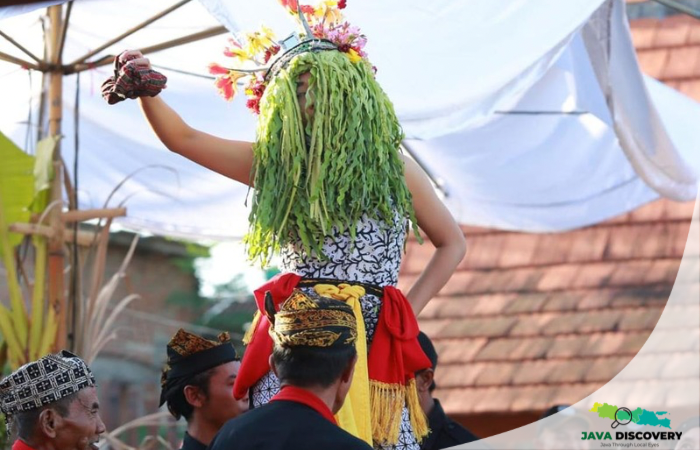
The origins of the Seblang tradition are closely tied to the era of babad alas, when Osing ancestors cleared forests to establish new settlements. To ensure safety and prosperity in these unfamiliar landscapes, they offered rituals of respect to the spiritual guardians of the land.
From this worldview emerged Seblang — a bridge between humans, nature, and unseen forces. The ritual was not merely performance; it was diplomacy with the spiritual realm, asking for balance and protection. Over centuries, Seblang evolved but never lost its core purpose as a ceremony honoring harmony between people and their environment.
Banyuwangi Park A Window into Osing Heritage
For visitors wanting to understand the depth of Osing culture, Banyuwangi Park offers an accessible introduction. Beyond its family attractions, the park features cultural exhibits, including visual representations of the Seblang ritual and other Osing traditions. It offers context for travelers who may not have the chance to witness the ritual firsthand, helping them appreciate its layers of symbolism and history.
The Seblang tradition remains one of Indonesia’s most intriguing cultural treasures — a living testimony to the resilience of Indigenous belief, the continuity of community identity, and the intimate bond between people and ancestry.
Through the dancers, chants, and trance, Seblang reminds Banyuwangi that heritage is not a relic — it is a living rhythm, beating at the heart of community life.
For further cultural insight, you may explore another article on Javanese traditions. For official regional cultural references, see Banyuwangi Regency’s website.