The Meaning of Nrimo Acceptance or Strength in Javanese Life

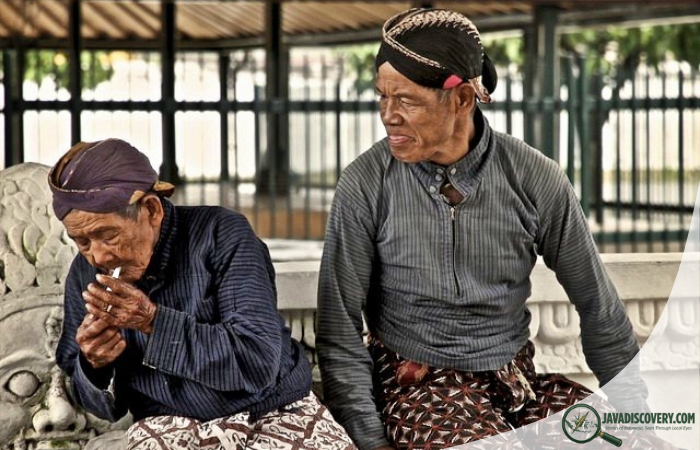
javadiscovery.com – The morning air in a Javanese village is often soft and deliberate. Mist hangs low over rice fields, clinging to the tips of young stalks. A farmer pauses at the edge of his plot, looking over soil that may yield well or fail this season. He exhales slowly, adjusts his cap, and steps forward to begin work. When asked about uncertainty, he answers quietly, “Nrimo.”
The word is spoken without drama. It is not resignation, nor complaint. It is a statement of position, a way of standing in the world. To outsiders, nrimo is often translated as acceptance, sometimes even surrender. Yet within Javanese life, its meaning runs deeper, shaped by centuries of philosophy, hardship, and discipline.
What Nrimo Really Means
Nrimo comes from the Javanese phrase nrimo ing pandum, which loosely refers to accepting one’s share in life. Linguistically simple, the phrase carries moral and emotional weight. It suggests acknowledging what is given, without excessive protest or desire.
But nrimo is not passive. It does not mean giving up effort or ambition. Instead, it reflects a mental posture. One acts, works, and strives, but remains grounded when outcomes differ from expectations.
In Javanese thought, disappointment often comes not from reality itself, but from attachment to desire. Nrimo seeks to loosen that attachment.
A Philosophy Shaped by History
Java’s history is marked by cycles of abundance and scarcity. Volcanic eruptions, droughts, colonial exploitation, forced labor, and political upheaval shaped daily existence for generations. In such conditions, survival required emotional endurance.
Nrimo emerged as a cultural strategy. When circumstances lay beyond individual control, maintaining inner balance became essential. Public anger or despair could fracture social harmony and invite further hardship.
Historical texts and oral traditions reveal that nrimo was never meant to erase agency. Farmers still planted. Artisans still created. Communities still resisted injustice in subtle ways. Nrimo helped people endure while preserving dignity.
The Quiet Discipline of Emotional Control
In Javanese society, emotional restraint is deeply valued. Speaking softly, choosing words carefully, and avoiding confrontation are seen as signs of maturity. Nrimo fits naturally within this framework.
A Javanese elder once explained it this way, “If the heart is noisy, life becomes heavy.” Nrimo quiets the heart.
This discipline is taught early. Children are reminded not to complain excessively. They are encouraged to adapt, to observe, and to learn patience. These lessons are not delivered harshly, but through example.
Nrimo in Daily Interactions
When plans fall apart, nrimo appears in small gestures. A cancelled ceremony. A delayed harvest. A missed opportunity. People shrug gently, smile faintly, and move on.
Such reactions can be misread as indifference. In reality, they reflect an effort to protect inner calm and communal peace.
Acceptance Without Helplessness
One of the most common misunderstandings about nrimo is the belief that it discourages change. Critics sometimes argue that it fosters passivity or submission.
Yet within Javanese life, nrimo coexists with effort. A vendor still wakes before dawn to prepare goods. A student studies diligently. A craftsman refines his skill over decades.
Nrimo governs response, not action. One works fully, but releases obsession with control.
Strength That Is Not Loud
In many cultures, strength is associated with defiance and visibility. In Java, strength is often inward. It appears as steadiness, reliability, and endurance.
To endure hardship without bitterness requires immense effort. Nrimo demands constant self regulation, awareness, and humility.
Spiritual Roots of Nrimo
Javanese spirituality blends indigenous beliefs with Hindu Buddhist and Islamic influences. Across these traditions runs a common thread: balance between human will and cosmic order.
Nrimo aligns with the belief that life unfolds within a larger design. Humans are encouraged to act ethically, but also to recognize limits.
In mystical traditions such as Kejawen, nrimo is linked to inner clarity. By accepting what cannot be changed, one reduces inner turbulence and opens space for understanding.
Nrimo in Family and Social Life
Within families, nrimo shapes expectations. Parents may hope for certain paths for their children, yet learn to accept different outcomes. Siblings accept unequal roles without constant comparison.
In villages, social hierarchies are navigated with nrimo. People understand their place within the community, not as a rigid fate, but as a temporary condition shaped by circumstance.
This acceptance helps prevent open conflict. Harmony remains the priority.
Gendered Expressions of Nrimo
Women in Javanese society are often praised for nrimo, especially in domestic roles. This has sparked debate among younger generations who question whether nrimo has been used to justify inequality.
Many women today reinterpret nrimo as emotional resilience rather than silent endurance. Acceptance does not mean silence, but thoughtful response.
Nrimo in a Changing Java
Modern Java is fast moving. Cities expand. Digital culture reshapes aspiration. Individual success is increasingly celebrated.
In this environment, nrimo is being renegotiated. Younger Javanese may reject blind acceptance, yet still value emotional balance.
Some describe nrimo as choosing peace over constant comparison. Others see it as a way to resist the anxiety of endless competition.
Acceptance as an Active Choice
Nrimo is not automatic. It is chosen repeatedly. Each disappointment invites a decision: resist reality or accept it with awareness.
This choice requires courage. To accept without becoming numb. To continue caring without clinging.
In this sense, nrimo is closer to strength than surrender.
What the World Often Overlooks
From the outside, nrimo may look like quiet obedience. What is often missed is the inner labor involved.
Maintaining calm amid uncertainty. Preserving dignity without recognition. Carrying responsibility without complaint.
These are not signs of weakness. They are evidence of a cultural ethic refined through time.
Nrimo as Inner Architecture
Like the wooden pillars of a traditional Javanese house, nrimo supports life from within. It is rarely decorated or praised, but it holds structure.
When storms arrive, the house stands not because it resists the wind aggressively, but because it bends without breaking.
Acceptance and Strength Together
Nrimo asks a difficult question. Can one accept reality fully while still acting with purpose?
In Javanese life, the answer is yes. Acceptance clears the mind. Strength directs the body.
Nrimo is not the end of effort. It is the ground from which effort becomes sustainable.
In a world drawn to noise and certainty, nrimo offers another way. Quiet, disciplined, and enduring.