Meditation Practices in Contemporary Pesantren

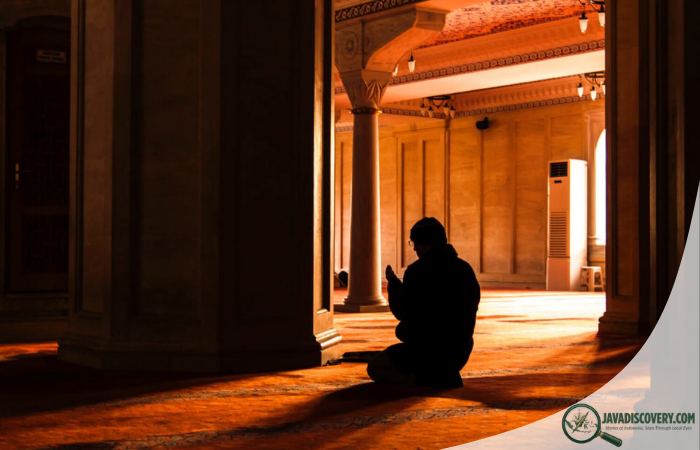
javadiscovery.com – Before the first call to prayer threads through the misty air of East Java, a row of young men sit cross-legged on a cool tiled floor. The fluorescent lights above them are still dim. Outside, the silhouettes of banana leaves sway in the early breeze. Inside the pesantren, silence gathers like dew. Eyes are closed. Backs are straight. Breath moves in unison. In this quiet hour before dawn, meditation is not an imported wellness trend but a continuation of centuries-old discipline woven into Islamic learning on the island of Java.
The Rhythm of Stillness Before Fajr
Across Java, from the dense neighborhoods of Surabaya to rural pesantren near Tasikmalaya, meditation practices have found renewed space within contemporary Islamic boarding schools. Known primarily as centers of Quranic study and religious scholarship, pesantren are often imagined as places of constant recitation and debate. Yet in many of them, structured silence holds equal importance.
The practice may be called muraqabah, tafakkur, or simply dzikir khafi, silent remembrance. Students focus on breath while softly repeating divine names within their hearts. The aim is awareness. Not of external achievement, but of inner alignment.
In a pesantren outside Jombang, a kyai explains the purpose gently. “Knowledge without presence becomes dry,” he says. “Meditation teaches presence.”
Between Tradition and Modern Pressure
Contemporary pesantren navigate a complex landscape. They teach classical Islamic texts while integrating national curricula. Students carry smartphones in their dormitories, preparing for university entrance exams alongside memorizing verses. The outside world presses in through screens and expectations.
Within this environment, meditation functions as an anchor. The daily schedule may be rigorous: dawn prayers, Arabic grammar, communal meals, afternoon discussions, evening recitations. Yet carved into these hours are pockets of deliberate stillness.
At a pesantren in Central Java, the meditation session begins after the night prayer. The dormitory lights are switched off, leaving only the glow of a single lamp. Dozens of students sit quietly for twenty minutes. The soundscape shifts from whispered conversations to the faint hum of crickets beyond the walls.
One student, Ahmad, describes the experience as a reset. “When my mind is crowded,” he says, “I cannot understand my lessons clearly. After meditation, I feel space inside.”
Sufi Roots in Javanese Soil
The presence of meditation in pesantren is not new. Java’s Islamic history has been deeply shaped by Sufi traditions, where spiritual purification accompanies intellectual study. Orders such as the Qadiriyya and Naqshbandiyya influenced local practice, blending devotional remembrance with Javanese sensibilities of harmony and balance.
In many pesantren, kyai trace their lineage to scholars who emphasized inner discipline alongside jurisprudence. The practice of riyadah, spiritual exercise, includes fasting, night vigils, and contemplative silence. Meditation becomes a way to polish the heart, a metaphor often repeated in sermons.
The Javanese cultural value of alus, refined conduct, aligns seamlessly with this inward focus. Students are encouraged not only to speak politely but to cultivate gentle thoughts. Meditation is framed as training the unseen dimension of character.
The Architecture of Quiet
The physical spaces of pesantren shape the experience. Dormitories are modest, often lined with thin mattresses and wooden shelves stacked with books. Courtyards provide open air for reflection. In some pesantren, a small pavilion near a fish pond serves as a designated meditation corner. The water’s surface mirrors the sky, reinforcing the imagery of calm.
At a pesantren in West Java, students gather beneath a large banyan tree for afternoon contemplation. Sunlight filters through leaves, casting shifting patterns on the ground. The teacher guides them to listen to their breathing while remaining aware of the rustling branches.
“Observe, do not react,” he instructs. “Thoughts are like wind. Let them pass.”
Women and the Expanding Circle
Female pesantren, known as pesantren putri, also cultivate meditation practices. In a compound near Yogyakarta, young women in white headscarves sit in neat rows after dawn prayer. The air smells faintly of jasmine from a nearby garden.
For many of them, meditation provides resilience amid academic pressure and societal expectations. Siti, a seventeen-year-old student, describes it as a private refuge. “Sometimes we feel anxious about exams or family matters,” she says. “When we sit quietly, we remember that our worth is not only measured by grades.”
The practice reinforces dignity and self-awareness, values emphasized in both Islamic teaching and Javanese culture.
Science and Spirituality in Dialogue
Interestingly, some contemporary kyai reference modern psychology when explaining meditation. They speak of focus, emotional regulation, and mental clarity. Workshops occasionally invite alumni who study psychology at universities to discuss the cognitive benefits of structured breathing.
This dialogue does not replace spiritual language but complements it. Students learn that calming the mind is both an act of worship and a practical tool for navigating modern life.
Silence as Collective Experience
One of the distinctive aspects of meditation in pesantren is its communal nature. While personal reflection is central, the practice unfolds within a shared environment. Dozens of students breathe together. Their silence becomes collective.
During the fasting month of Ramadan, night meditation sessions often extend longer. After breaking the fast and performing evening prayers, students remain seated in quiet remembrance. The atmosphere feels thick with concentration. Outside, the village may buzz with late-night activity, yet within the pesantren walls, calm prevails.
The communal silence fosters solidarity. Students learn that inner discipline is not solitary withdrawal but shared commitment.
Challenges and Continuity
Not all students embrace meditation immediately. Some struggle with restlessness. Others question its relevance amid packed schedules. Teachers respond with patience, reminding them that stillness is cultivated gradually.
There is also the challenge of perception. In an era where meditation is often associated with secular wellness trends, pesantren leaders emphasize its rootedness in Islamic tradition. They frame it not as novelty but as rediscovery.
Despite modern distractions, the practice persists. Its resilience lies in adaptability. Sessions may be shortened during exam periods or expanded during spiritual retreats. The essence remains constant: returning attention to the present, aligning intention with action.
Dawn Returns
As the first call to prayer rises over the rooftops, the students open their eyes. The sky has shifted from indigo to pale gold. Birds begin their morning chorus. The meditation session concludes not with applause but with a collective inhale.
They stand, roll up their mats, and move toward the prayer hall. The day’s lessons await. Yet beneath the memorized verses and academic tasks lies a cultivated stillness.
In contemporary pesantren across Java, meditation is neither spectacle nor retreat from responsibility. It is preparation. A way of strengthening the inner architecture that supports outward learning. Within these boarding schools, amid textbooks and timetables, silence continues to shape young minds.
The world beyond the pesantren walls grows louder each year. Traffic thickens. Notifications multiply. Expectations rise. Yet in the pre-dawn hush of these compounds, breath still moves deliberately. And in that steady rhythm, Java’s spiritual heritage finds renewed expression.