How Island Geography Shapes Personality Across Indonesia

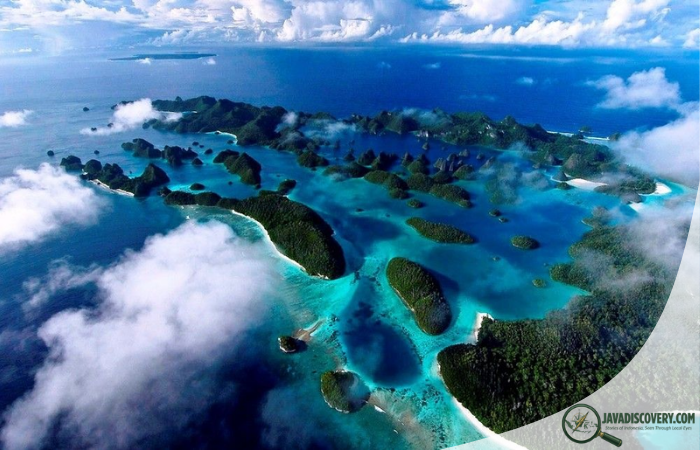
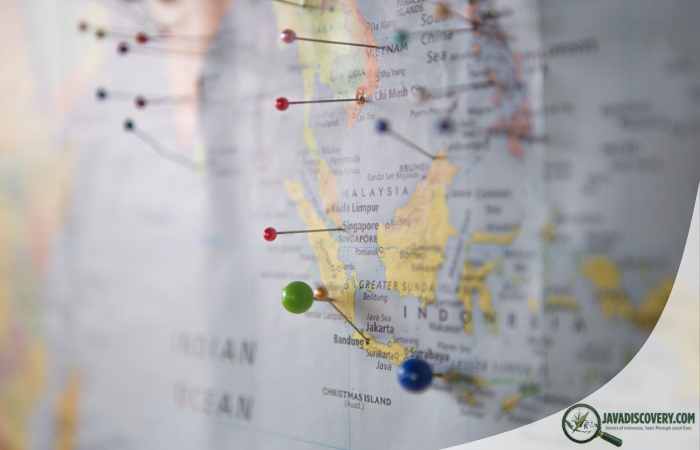
javadiscovery.com – At sunrise in the Indonesian archipelago, the sea reflects hundreds of scattered islands stretching toward the horizon. From the volcanic highlands of Java to the dry savannas of eastern Indonesia, geography defines daily rhythms. Mountains dictate where villages are built. Rivers guide migration and trade. Coastlines influence diets, beliefs, and even ways of speaking. In a country made of more than seventeen thousand islands, landscape does not simply surround communities. It shapes how people think, relate to others, and understand the world.
Across Indonesia, cultural differences often mirror geography. Mountain communities develop different social habits than coastal traders. Islanders surrounded by open seas form outlooks distinct from those living in fertile river valleys. Over centuries, terrain has influenced the personality traits associated with each region. The archipelago becomes not only a map of islands, but a mosaic of human character shaped by nature.
Geography as a Cultural Sculptor
Indonesia sits along one of the most dynamic geological zones on Earth. Volcanoes rise from fertile plains. Coral seas divide islands into isolated cultural worlds. Dense rainforests hide villages accessible only by footpaths or rivers.
This environment has never been passive. Geography constantly influences the way communities organize themselves. It determines the crops people grow, the materials they use to build houses, and the routes through which ideas travel.
Over generations, these environmental conditions influence behavior and social values. Anthropologists often observe that communities surrounded by different landscapes develop distinct temperaments. The rugged highlands may encourage resilience and independence. Coastal trading ports may cultivate openness and adaptability.
In Indonesia, such patterns appear repeatedly across the archipelago.
Java and the Culture of Balance
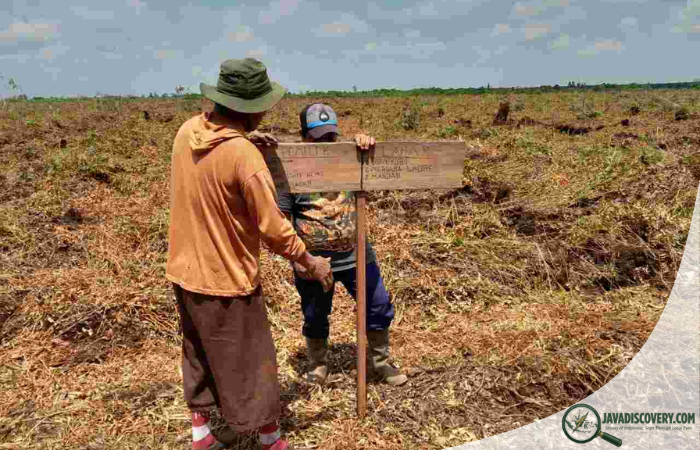
On the island of Java, fertile volcanic soil and dense population have produced a unique cultural philosophy centered on harmony and social balance. For centuries, rice agriculture dominated Javanese life. Irrigated fields required cooperation between farmers, village leaders, and communities.
This agricultural system encouraged social coordination and patience. Water management depended on collective timing and mutual understanding. Disrupting harmony could threaten harvests that entire villages depended upon.
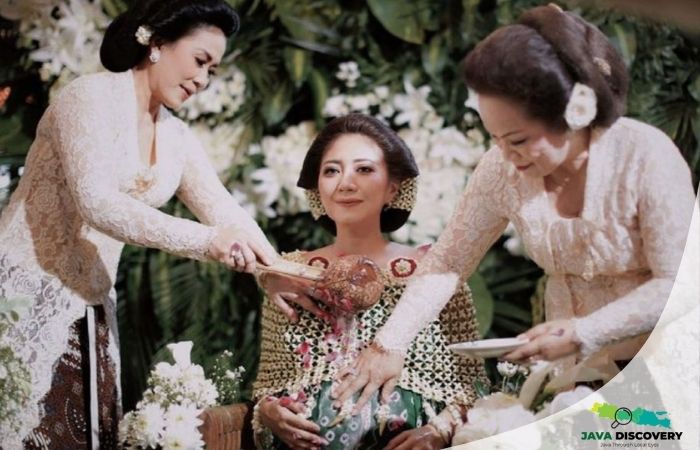
Over time, values such as restraint, politeness, and emotional control became deeply embedded in Javanese culture. Social interaction often emphasizes subtle communication and indirect speech. Public behavior tends to favor calmness and composure.
The geography of fertile plains surrounded by volcanoes helped nurture a worldview where stability and balance are highly prized.
The Maritime Outlook of Coastal Societies
In contrast, coastal communities across Indonesia often display more outward looking characteristics. Fishing, sailing, and maritime trade expose people to distant cultures and unpredictable conditions.
Life along busy ports requires flexibility and quick decision making. Traders negotiate with strangers. Sailors face sudden storms and shifting tides.
These experiences cultivate personalities shaped by adaptability and boldness. In many Indonesian coastal societies, direct communication and expressive behavior appear more common than in inland farming regions.
Ports historically functioned as gateways of cultural exchange. New languages, religions, and technologies arrived through ships and merchants. The openness of maritime environments often translates into more cosmopolitan attitudes among coastal populations.
Highland Independence
In mountainous regions such as the interior of Flores, Papua, and parts of Sulawesi, geography creates physical isolation. Steep valleys and forested ridges separate communities from one another.
Isolation encourages strong local identities. Highland societies frequently develop independent traditions, dialects, and leadership structures.
These communities may value self reliance and resilience. Agricultural life in mountainous terrain demands physical endurance and resourcefulness. Travel between villages can take hours or days, reinforcing tight kinship bonds within each community.
Such conditions shape personalities that emphasize loyalty, courage, and strong attachment to ancestral land.
The Rhythms of Island Time
Living on small islands surrounded by open sea creates yet another psychological environment. On many remote islands, the horizon forms a constant boundary between community life and the vast unknown.
The sea dictates daily schedules. Fishing depends on tides and weather patterns. Travel to neighboring islands requires patience and favorable winds.
This rhythm often cultivates a slower pace of life compared to crowded urban centers. Islanders develop deep familiarity with natural signs such as shifting winds, cloud formations, and ocean currents.
The result is often a worldview shaped by attentiveness to nature and acceptance of forces beyond human control.
Food, Landscape, and Identity
Geography also influences culinary traditions, which in turn reflect cultural attitudes. In rice growing regions like Java and Bali, meals revolve around rice as a symbol of prosperity and stability.
In eastern islands where dry climates make rice cultivation difficult, corn, cassava, and root crops become dietary staples. Fishing communities rely heavily on seafood.
These differences are not merely agricultural. They influence daily habits, economic priorities, and social gatherings.
Food traditions shape how people celebrate, share hospitality, and define regional identity.
Migration and Changing Personalities
Indonesia has long experienced waves of migration between islands. Trade routes, colonial labor systems, and modern economic opportunities have moved millions of people across the archipelago.
When migrants settle in new landscapes, their personalities often adapt to unfamiliar environments. Farmers moving to cities learn faster paced lifestyles. Coastal fishermen relocating inland adjust to agricultural routines.
This process creates dynamic cultural identities where geography continues to influence behavior across generations.
Urban Landscapes and New Cultural Blends
Modern Indonesian cities bring together people from dozens of islands. Urban environments create new social personalities shaped by density, diversity, and economic competition.
Yet even in cities, geographic heritage remains visible. Neighborhoods often reflect the cultural styles of their migrant populations. Culinary traditions, dialects, and community networks continue to reveal the influence of original landscapes.
Someone raised in the highlands may carry a different sense of identity than someone from a coastal port, even after decades in the same city.
The Archipelago as a Living Map of Character
Indonesia’s geography forms a vast laboratory for observing how environment shapes culture. Every island offers a slightly different combination of mountains, forests, plains, and seas.
These physical differences gradually influence habits, values, and social behaviors.
Over centuries, geography molds personality not through sudden change but through daily routines. The way people farm, travel, fish, and build homes slowly defines how communities interact with one another.
The result is a rich diversity of cultural identities spread across thousands of islands.
A Country Written in Landscape
Seen from above, Indonesia appears as scattered fragments of land across the ocean. Yet each island contains stories shaped by terrain, climate, and centuries of human adaptation.
Volcanoes nurture agricultural civilizations. Seas produce trading cultures. Mountains protect ancient traditions.
In this vast archipelago, geography does more than define borders. It influences how people speak, how they solve conflict, how they imagine their place in the world.
The personality of Indonesia is not a single identity. It is a living reflection of landscapes stretching from fertile rice fields to remote coral islands where the sea and land together shape the character of those who call them home.