How Knowledge Was Passed Down Before Schools in Java

javadiscovery.com – In the fading light of late afternoon, a child sits beside an elder on a bamboo veranda. The air carries the scent of wood smoke and drying rice. There are no books in their hands, no chalkboard nearby, no formal lesson taking place. Yet as the elder begins to speak, tracing a story through memory and gesture, knowledge is being passed with precision and care.
Long before the arrival of formal education systems, knowledge in Java moved through people rather than institutions. It lived in conversation, in observation, and in daily practice. Learning was not confined to a classroom. It was woven into the rhythms of life, shaped by environment, culture, and social relationships.
In this system, knowledge was not stored. It was embodied.

Learning Through Observation
Children in traditional Javanese communities learned by watching those around them. Daily activities served as continuous demonstrations.
A farmer working the field showed technique.
A parent preparing food revealed process.
An artisan crafting tools displayed skill.
Observation formed the foundation of learning.
Imitation and Practice
After observing, children gradually began to imitate what they had seen. Practice was integrated into everyday tasks rather than separated as formal exercise.
Skills developed through repetition.
Errors were corrected through guidance.
Learning progressed naturally.
Practice transformed observation into ability.
Oral Tradition and Storytelling
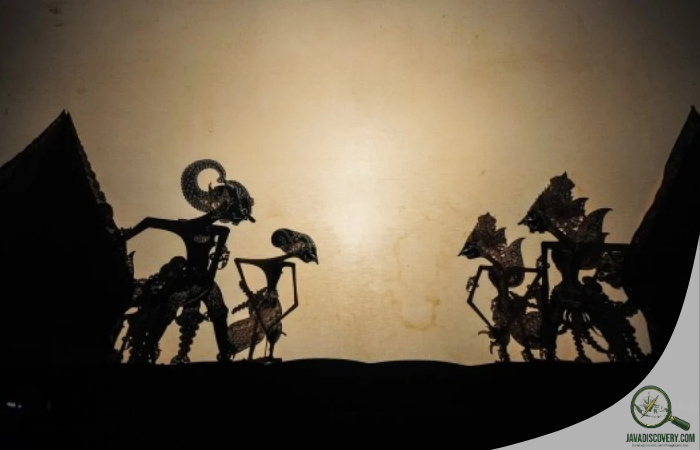
Stories played a central role in transmitting knowledge. Through narratives, elders shared history, values, and practical understanding.
Stories carried lessons.
They preserved memory.
They connected generations.
Knowledge moved through words.
Embedded Moral and Social Values
Education was not limited to practical skills. It also included moral and social understanding. Respect, patience, and awareness were taught through example and narrative.
Behavior was modeled.
Values were reinforced.
Social roles were understood.
Learning shaped character.
Apprenticeship and Specialization
For more specialized knowledge, individuals often learned through apprenticeship. A young person would work closely with an experienced practitioner.
Skills were transferred directly.
Knowledge remained within relationships.
Expertise developed over time.
Learning was guided and continuous.
Environment as a Classroom
The natural environment played a crucial role in education. Fields, forests, rivers, and homes all served as learning spaces.
Seasons taught timing.
Land taught technique.
Nature provided feedback.
The environment shaped understanding.
Memory as a Tool
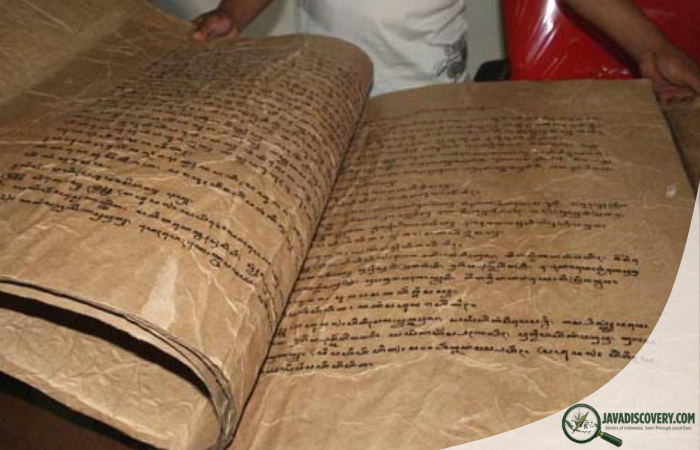
Without written materials, memory became essential. Individuals developed strong recall through repetition and use.
Knowledge was retained through practice.
Stories were repeated.
Information remained active.
Memory supported continuity.
Community as a Learning Network
Learning did not occur in isolation. The entire community contributed to the process.
Different أفراد shared different knowledge.
Children learned from multiple sources.
Experience was collective.
Knowledge flowed through relationships.
Ritual as Education
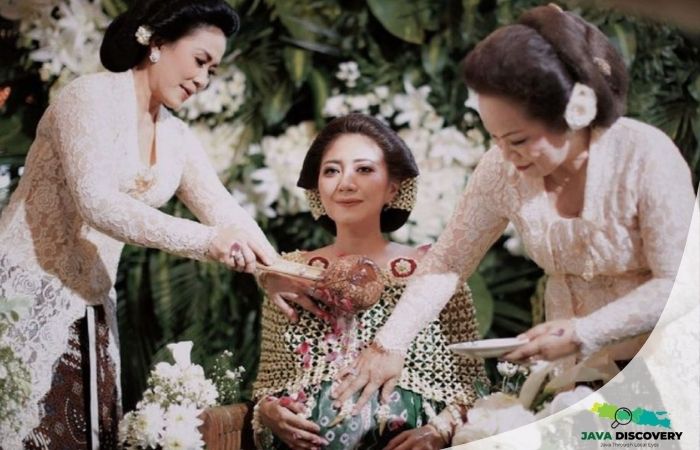
Rituals and ceremonies also functioned as educational spaces. Participation allowed individuals to learn cultural practices and meanings.
Actions carried symbolic value.
Repetition reinforced understanding.
Rituals connected individuals to tradition.
Learning occurred through participation.
Gradual Responsibility
As children grew, they were given increasing responsibility. Tasks became more complex, reflecting their developing skills.
Learning followed progression.
Responsibility reinforced ability.
Experience deepened knowledge.
Growth was continuous.
Adaptation to Change
While rooted in tradition, this system of knowledge transmission was adaptable. New information could be integrated through observation and practice.
Communities responded to change.
Knowledge evolved.
Learning remained flexible.
Tradition adjusted over time.
Transition to Formal Education
With the introduction of formal schools, new methods of learning emerged. Written materials, structured lessons, and standardized systems became more common.
These changes expanded access.
They introduced new forms of knowledge.
Yet traditional methods persisted.
Both systems coexist.
A Living Transmission
As evening settles and the elder’s story comes to an end, the child carries more than words. The knowledge shared will shape how they see, act, and understand the world.
In pre-modern Java, education was not defined by buildings or schedules. It was a living process, carried through interaction, practice, and memory.
Through this system, knowledge moved quietly across generations, sustained not by institutions, but by the enduring connection between people and their lived experience.