Coffee Heritage Dutch Plantations to New Wave Beans

javadiscovery.com — The story of coffee in Java is a dark and aromatic brew of colonial ambition, volcanic soil, and a modern revolution. Coffee Heritage Dutch Plantations to New Wave Beans traces the journey of a single bean from its forced arrival in the 17th century to its current status as a global artisanal treasure. Java was the first place outside of Ethiopia and Arabia where coffee was cultivated on a massive scale, to the point that the very word “Java” became synonymous with the drink itself. Today, the island is moving beyond its history of mass production. Coffee Heritage Dutch Plantations to New Wave Beans highlights how a new generation of Indonesian roasters and farmers are reclaiming their land, trading industrial quantity for micro-lot quality, and proving that the old volcanic slopes still hold the world’s most complex flavors.
The Colonial Seed The Birth of a Global Name
The first chapter of Coffee Heritage Dutch Plantations to New Wave Beans began in 1696, when the Dutch East India Company (VOC) brought Arabica seedlings to Batavia. While the first attempt failed due to flooding, the second planting thrived in the rich, high-altitude soil of West Java. By the 1700s, Java had become the world’s leading coffee exporter, fueling the cafes of Europe and giving birth to the iconic “Mocha Java” blend.
However, Coffee Heritage Dutch Plantations to New Wave Beans also acknowledges the human cost. The Cultuurstelsel (Cultivation System) forced Javanese farmers to grow coffee instead of rice, leading to immense wealth for the Netherlands but widespread hardship for the locals. This era established the massive estate system—the “pioneer plantations”—that still defines the landscape of East Java today, particularly around the Ijen and Raung volcanoes.

The Great Rust and the Rise of Robusta
In the late 19th century, Coffee Heritage Dutch Plantations to New Wave Beans faced a biological catastrophe. Coffee Leaf Rust (Hemileia vastatrix) decimated the delicate Arabica crops. This forced a pivot that would change the flavor of Indonesian coffee for a century. The Dutch introduced Robusta, a hardier but less nuanced bean, to the lower elevations of Java.
For decades, Coffee Heritage Dutch Plantations to New Wave Beans was characterized by this robust, earthy, and chocolatey profile used primarily for instant coffee and commercial blends. While Arabica survived in the highest altitudes, Java became known for its “bold” and “bitter” profile. It is only in the last twenty years that the pendulum has swung back toward the specialty Arabica varieties, as modern farmers rediscover the potential of the high-altitude volcanic plateaus.
Java coffee is like the volcano it grows on—quiet and unassuming on the surface, but full of fire and complex minerals underneath. — Hadi, Fourth-Generation Coffee Farmer
The New Wave The Specialty Revolution
We are currently living in the most exciting era of Coffee Heritage Dutch Plantations to New Wave Beans. Known as the “Third Wave,” this movement focuses on transparency, sustainability, and the unique “terroir” of the beans. In West Java, the “Preanger” mountains are once again producing Arabica that wins international awards for its floral, fruity, and bright acidity.
In Coffee Heritage Dutch Plantations to New Wave Beans, the focus has shifted from the estate to the farmer. Micro-processing units are popping up across the island, experimenting with “honey processing” and “natural fermentation.” This new wave is driven by a passionate community of Indonesian baristas and roasters who are no longer just exporting the best beans to Europe, but serving them in world-class cafes in Jakarta, Bandung, and Yogyakarta.
| Era | Dominant Bean | Flavor Profile |
|---|---|---|
| VOC/Colonial Era | Original Arabica Typica | Deep, heavy body, spicy undertones |
| Post-Leaf Rust | Robusta | Nutty, dark chocolate, earthy finish |
| Modern Specialty | Heirloom Arabica | Citrus, jasmine, clean and tea-like |
Giling Basah The Secret of Javanese Texture
A central technical element in Coffee Heritage Dutch Plantations to New Wave Beans is the unique processing method known as “Giling Basah” or wet-hulling. While common in Sumatra, it is also a hallmark of traditional Javanese smallholder coffee. This involves removing the parchment at a much higher moisture content than is typical in the rest of the world.
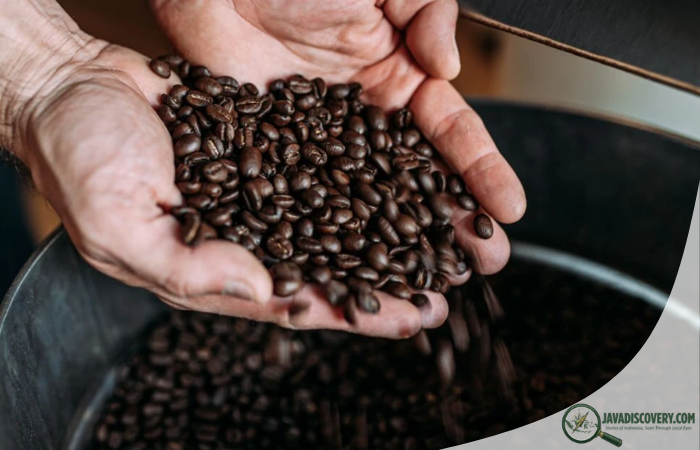
This process gives Coffee Heritage Dutch Plantations to New Wave Beans its signature low acidity and heavy, syrupy body. It imparts a unique “blue-green” tint to the raw beans and a rustic, woody flavor to the cup. For many coffee enthusiasts, this specific texture is what makes Javanese coffee unmistakable—a thick, mouth-coating experience that feels as rich as the history of the island itself.
The Future Sustainability and Direct Trade
As Coffee Heritage Dutch Plantations to New Wave Beans moves forward, the emphasis is on the “Direct Trade” model. Roasters are visiting farms directly, ensuring that the people who pick the cherries are paid a fair price. Environmental sustainability is also taking center stage, with farmers planting coffee under “shade trees” to protect biodiversity and prevent soil erosion on steep volcanic slopes.
In Coffee Heritage Dutch Plantations to New Wave Beans, we see a full circle. The industry that began as a tool of extraction is becoming a tool of empowerment. Young Indonesians are returning to their family farms with agricultural degrees and digital marketing skills, turning “Java Coffee” from a generic commodity into a high-end luxury product that respects both the land and the laborer.
Conclusion The Perfect Cup
Coffee Heritage Dutch Plantations to New Wave Beans is a story of survival and transformation. It is a journey from the heavy-handed monopolies of the VOC to the vibrant, democratic energy of a modern espresso bar. Every cup of Javanese coffee today carries the weight of three centuries of struggle and the brightness of a new dawn.
Whether you prefer a traditional Kopi Tubruk or a precision-poured V60, you are participating in Coffee Heritage Dutch Plantations to New Wave Beans. This heritage is not found in a museum, but in the steam that rises from your mug and the deep, volcanic earth that nourishes the roots. Java was once the world’s coffee garden; today, it is its laboratory. The beans are roasting, the water is at the right temperature, and the next chapter of the Javanese coffee story is being written, one sip at a time.