Spice Trade Legacy How Flavors Shaped Javanese Culture

javadiscovery.com — Long before the borders of modern nations were drawn, the world was mapped by the scent of clove, the heat of pepper, and the golden hue of turmeric. Spice Trade Legacy How Flavors Shaped Javanese Culture is the story of an island that became the global crossroads of taste. Java was not just a producer of these exotic goods but a sophisticated consumer and a strategic middleman that synthesized influences from China, India, Arabia, and Europe. To explore the Spice Trade Legacy How Flavors Shaped Javanese Culture is to understand that Javanese identity is a culinary mosaic. Every pinch of nutmeg and every spoonful of spicy sambal is a reminder of the centuries when the Nusantara was the ultimate prize of global empires, transforming a local diet into a complex, world-class cuisine that reflects a history of encounter and exchange.
The Sacred Roots Turmeric and the Golden Glow
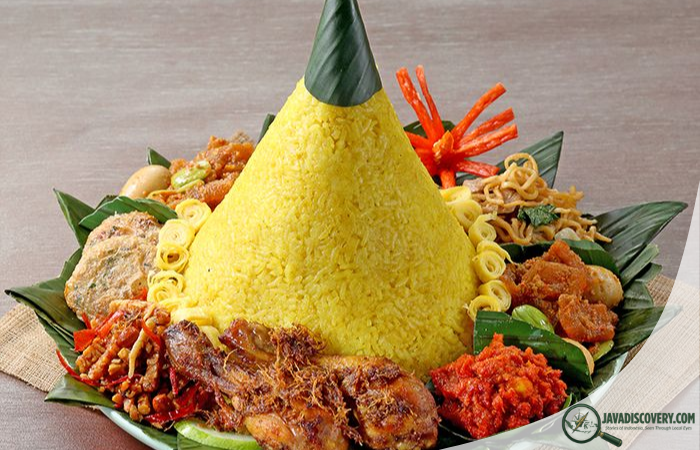
The foundation of Spice Trade Legacy How Flavors Shaped Javanese Culture begins with the indigenous use of rhizomes. Turmeric, or kunyit, is perhaps the most symbolic spice in the Javanese arsenal. Beyond its flavor, it carries a deep spiritual significance, used in rituals to bless the land and the people. The iconic yellow rice cone, Nasi Tumpeng, is a culinary representation of the divine mountain, colored golden by the spice trade’s most humble hero.
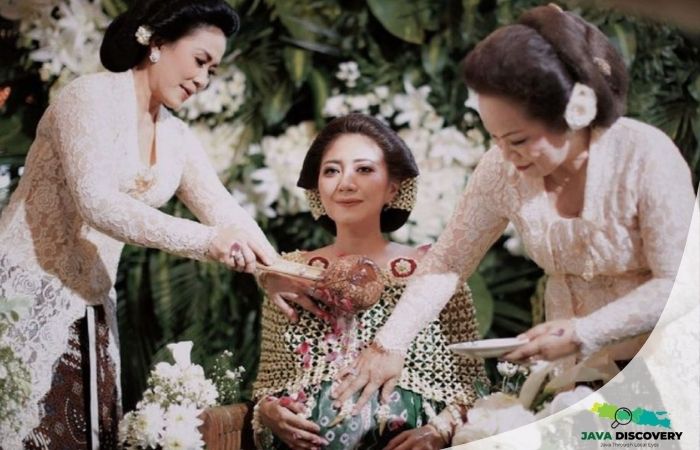
In the Spice Trade Legacy How Flavors Shaped Javanese Culture, spices were never just food; they were medicine and magic. The use of turmeric and galangal in daily cooking was a way to maintain the body’s internal balance. This ancient knowledge predates colonial arrivals and proves that the Javanese were master botanists long before the term was coined. Turmeric remains the “golden thread” that weaves through Javanese life, from the kitchen to the wedding ceremony.

The Pepper Trail Global Economics in a Peppercorn
If turmeric was the soul of the island, pepper was its currency. Spice Trade Legacy How Flavors Shaped Javanese Culture was driven by the global demand for Piper nigrum. While the finest pepper often came from Sumatra or the Malabar Coast, the ports of Java—such as Banten and Jepara—became the high-stakes stock exchanges of the 16th century.
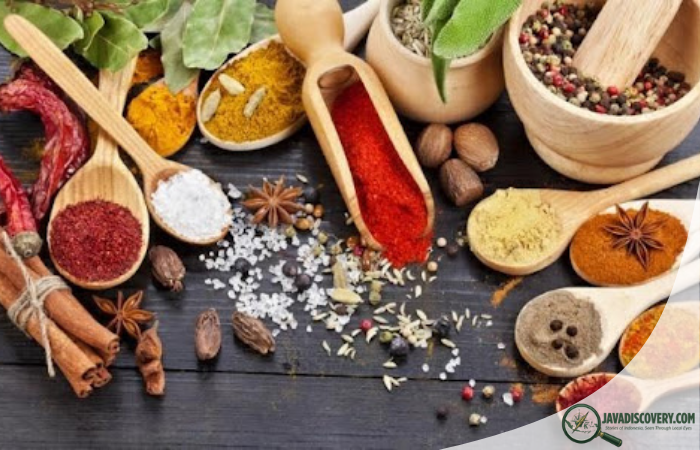
This economic Spice Trade Legacy How Flavors Shaped Javanese Culture led to the rise of powerful Javanese coastal sultanates. The wealth generated by the spice trade funded the construction of grand mosques and the patronage of the arts. It also brought a influx of foreign traders who settled in “Pecinan” (Chinatown) and “Koja” (Arab quarters), each adding their own spices—like star anise from China or cumin from the Middle East—into the Javanese pot. This era proved that the flavor of Java was built on a foundation of international commerce.
A Javanese dish is a map of the world. You can taste the heat of the Americas in the chili, the fragrance of India in the coriander, and the ancient spirit of the islands in the clove. — Chef Widjojo, Culinary Historian
The Clove and Nutmeg Monopoly The Colonial Shadow
No discussion of Spice Trade Legacy How Flavors Shaped Javanese Culture is complete without the era of the “Spice Islands” monopoly. While cloves and nutmeg were native to the Moluccas, Java served as the administrative and military hub for the Dutch VOC. This period of Spice Trade Legacy How Flavors Shaped Javanese Culture was one of conflict and transformation.
The Dutch obsession with controlling these flavors led to the fortifying of Javanese cities and the restructuring of agricultural life. Yet, even in the shadow of colonialism, the Javanese managed to incorporate these “luxury” spices into their own festive dishes. Nutmeg found its way into Javanese stews like Semur, a local adaptation of the Dutch Smoor. This ability to absorb the colonizer’s ingredients and reinvent them is a central theme of the Spice Trade Legacy How Flavors Shaped Javanese Culture.
| Spice | Cultural Significance | Key Dish |
|---|---|---|
| Turmeric (Kunyit) | Sacredness and purification | Nasi Tumpeng |
| Coriander (Ketumbar) | Indian influence and digestion | Tempe Bacem |
| Clove (Cengkeh) | Indo-European fusion and aroma | Lapis Legit (Spice Cake) |
| Chili (Cabai) | Post-16th century New World addition | Sambal Terasi |
The Chili Revolution A Latecomer’s Dominance
Perhaps the most surprising part of the Spice Trade Legacy How Flavors Shaped Javanese Culture is the story of the chili pepper. Not native to Asia, it was brought by the Portuguese and Spanish from the Americas. It is hard to imagine Javanese culture today without the fire of sambal, yet this spice is a relatively recent addition to the Spice Trade Legacy How Flavors Shaped Javanese Culture.
The rapid adoption of chili across Java shows the island’s incredible culinary adaptability. It replaced the more subtle heat of long pepper (cabai jawa) and became a symbol of Javanese vitality. In the Spice Trade Legacy How Flavors Shaped Javanese Culture, the chili represents the “democratic” spice—something that could be grown in any backyard and used to elevate even the simplest meal of rice and salted fish. It is the spice that turned Javanese food into a sensory explosion.
Sugar and Soy The Sweet-Salty Balance
While often categorized separately, the production of palm sugar (gula jawa) and the introduction of soy sauce by Chinese migrants are essential parts of the Spice Trade Legacy How Flavors Shaped Javanese Culture. Javanese cuisine is famous for its “manis” (sweet) profile, particularly in Central Java.
The Spice Trade Legacy How Flavors Shaped Javanese Culture thrived on the interaction between these elements. The salty depth of soy sauce mixed with the earthy sweetness of palm sugar created the iconic Kecap Manis—a condiment found nowhere else in the world in such a specific form. This balance of sweet, salty, and spicy is the culinary hallmark of the Javanese people, a direct result of being the meeting point for Chinese fermentation techniques and Javanese sugar production.
Conclusion The Fragrance of History
Spice Trade Legacy How Flavors Shaped Javanese Culture is a reminder that we are what we eat, but we are also what we trade. The history of Java is written in the steam of its kitchens and the archives of its ports. The spices that once launched a thousand ships are today the ingredients that bring a community together around a dinner table.
As we appreciate the complex layers of a Javanese curry or the bracing warmth of a spice-infused drink, we are tasting the Spice Trade Legacy How Flavors Shaped Javanese Culture. It is a legacy of resilience, creativity, and openness to the world. Java did not just survive the spice trade; it thrived by making the world’s flavors its own. The fragrance of cloves in the air and the sting of chili on the tongue are the living echoes of a time when this island was the center of the world’s desire. The spice trade is not a closed chapter; it is the daily bread of the Nusantara.