Pecel Ndeso The Rustic Solo Dish with Unique Tradition

javadiscovery.com – Pecel Ndeso is one of the most intriguing traditional dishes from Solo, Central Java. At first glance it looks like any other pecel you may find across the island, yet one bite quickly reveals how different it truly is. Its ingredients, its flavors, and even the way it is served reflect the character of older Javanese village life—simple, grounded, and rich in heritage.
The Origins of Pecel Ndeso in Solo
For generations, the people of Solo have known pecel ndeso as a humble village dish, often prepared at home or sold by roaming vendors passing through narrow kampung lanes. The word ndeso itself hints at its roots: rustic, rural, and closely tied to everyday life in the Javanese countryside. As noted in Dawud Achroni’s Kuliner Tradisional Solo yang Mulai Langka, this dish once played a central role in local food culture, long before it became associated with nostalgia.
What Makes Pecel Ndeso Different
Although pecel is found widely in Java, pecel ndeso carries elements that set it apart. The most striking difference is the use of red rice instead of white rice. Red rice gives the meal a nutty aroma and firmer texture, adding depth to something that might otherwise seem familiar.

The second signature feature is its distinctive sauce. Instead of the well-known peanut sauce, Pecel Ndeso uses a dressing made from black sesame seeds. The result is a darker, more earthy taste with a subtle bitterness often appreciated by locals who grew up with it. This shift in ingredients creates a flavor profile that feels both old-fashioned and wonderfully unique.
Rich and Varied Ingredients
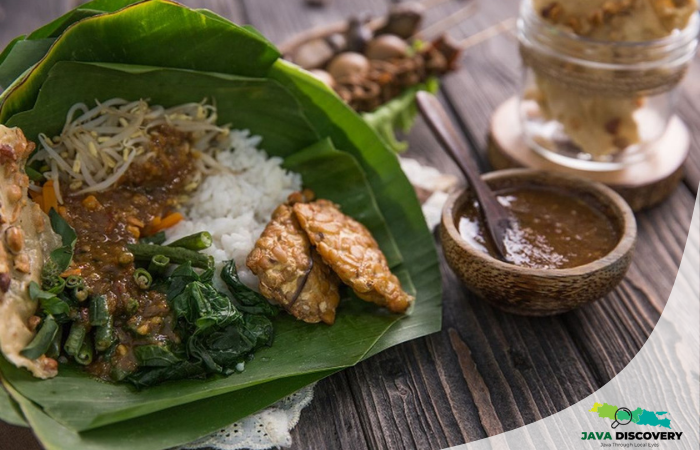
Like other pecel dishes across Java, pecel ndeso relies on a mix of fresh vegetables. Common ingredients include kenikir leaves, kembang turi, banana blossoms, papaya leaves, cassava leaves, kemangi, bean sprouts, and cucumber. Each vegetable contributes its own aroma and texture, turning a simple dish into a vibrant ensemble.
Additional side dishes often complete the meal. Sambal kelapa, botok, bongko, karak, and peyek are frequently served alongside it, adding crunch, fragrance, or a hint of sweetness. These accompaniments enrich the overall experience and highlight the creativity of Solo’s traditional kitchen.
A Unique Serving Tradition
Another detail that sets Pecel Ndeso apart is its serving method. Rather than using a plate, vendors traditionally arrange the vegetables and red rice on a pincuk—a small cone-shaped container made of banana leaves. The soft scent of the leaves blends with the sesame dressing, creating an aroma that feels unmistakably Javanese.
This way of serving is not merely practical. It reflects an older philosophy of living in harmony with nature, using biodegradable materials long before such ideas became modern concerns.
A Tradition That Is Slowly Fading
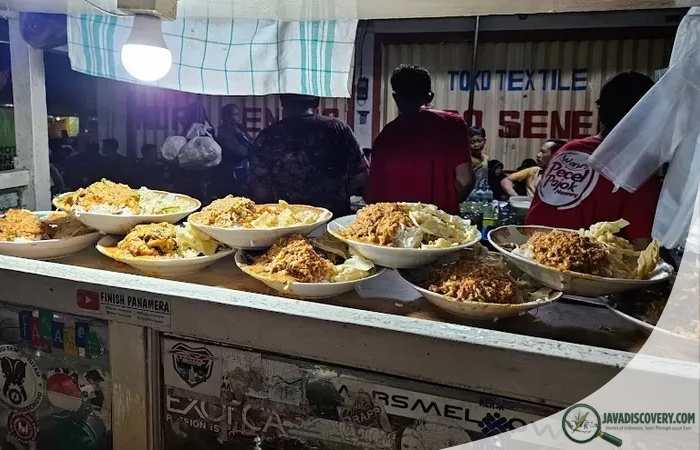
Despite its charm, pecel ndeso is now becoming harder to find in Solo. In earlier days, sellers would walk from village to village, carrying a woven basket filled with ingredients. Today, only a handful of these vendors remain. Modern lifestyles, changing tastes, and urban shifts have pushed this traditional dish to the margins.
For those who do find it, eating pecel ndeso feels like stepping back into a quieter time—one where meals were simple, local, and deeply tied to the rhythm of daily life.
Pecel ndeso is more than just food; it is a reminder of how much culinary heritage lives quietly within Java’s small towns and villages, waiting to be rediscovered.