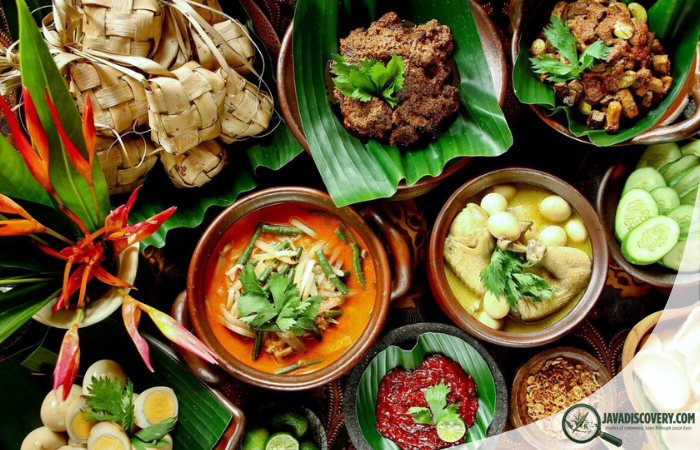
From Tahu Gejrot to Cireng: West Java’s Snack Craze

The Flavorful Pulse of West Java
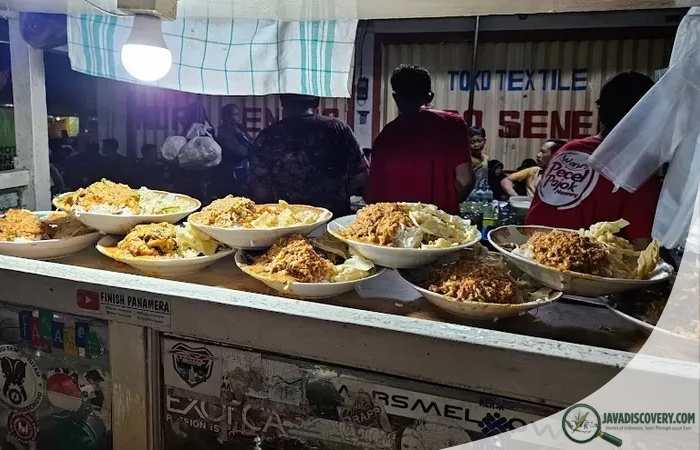
Walk through any bustling corner of West Java, and you’ll be greeted by the sizzling aroma of frying oil, the laughter of schoolchildren, and the rhythmic clatter of street vendors preparing snacks. From humble roadside carts in Cirebon to Bandung’s trendy food stalls, snacking isn’t just a pastime here—it’s a way of life.
West Java’s street snacks capture the very soul of Sundanese culture: simple, flavorful, and joyfully communal. Whether it’s the tangy splash of tahu gejrot or the chewy comfort of cireng, each bite tells a story of local creativity born from accessible ingredients and a love for spice.
The Soul of Sundanese Snacking
For the Sundanese people, food is more than sustenance—it’s a reflection of harmony with nature. Their traditional snacks often emphasize freshness and texture, relying on tapioca, tofu, cassava, and chili to create flavor-packed bites. Eating together, often while chatting by the roadside, reflects a sense of community deeply rooted in West Java’s social fabric.

Each region adds its own flair: Cirebon brings sweetness and tang, Bandung experiments with playful textures, while Garut and Tasikmalaya add fiery twists that thrill spice-lovers. The result is a mosaic of flavors that keep West Java’s streets alive from morning till midnight.
The Legendary Trio: Tahu Gejrot, Cireng, and Seblak
Tahu Gejrot – The Tangy Icon of Cirebon
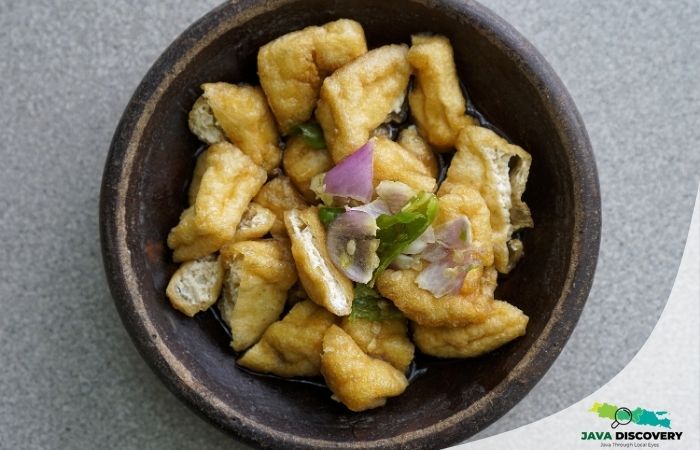
Born from the coastal town of Cirebon, tahu gejrot is simplicity perfected. Cubes of crispy fried tofu are doused in a sweet-spicy vinegar sauce made of palm sugar, tamarind, garlic, and chili. It’s served in a small clay bowl, eaten with bamboo skewers, and delivers a punchy symphony of sweet, sour, and heat that perfectly represents Cirebon’s cultural blend of Javanese, Chinese, and Sundanese influences.
Cireng – Bandung’s Chewy Street Star
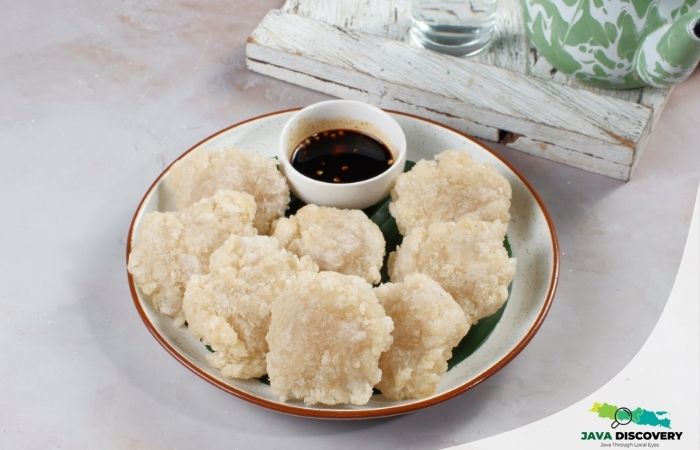
Cireng—short for aci digoreng or “fried tapioca dough”—was born on the streets of Bandung. Its chewy texture and crispy edges made it an instant hit among students looking for cheap, filling snacks. Today, cireng has gone gourmet, with modern fillings ranging from mozzarella to beef floss. Still, nothing beats the nostalgic taste of a plain, piping-hot cireng dipped in spicy soy sauce while watching Bandung’s rain drizzle outside.
Seblak – The Fiery Favorite of a New Generation
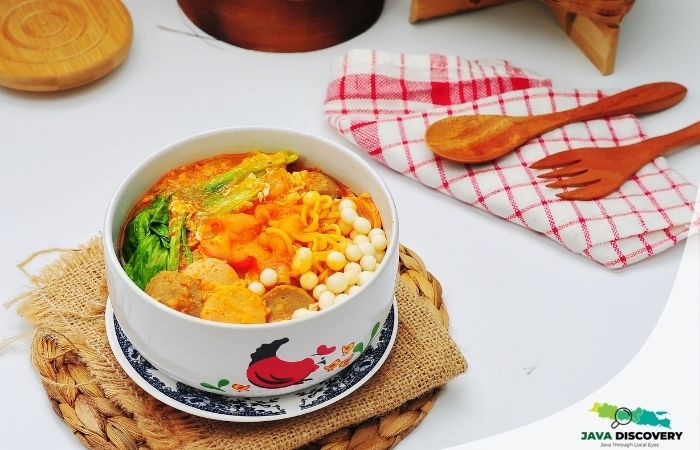
Originally a humble dish made from leftover crackers, seblak has evolved into a national sensation. Cooked with garlic, chili, scrambled eggs, and chewy noodles, seblak embodies Bandung’s bold and playful culinary spirit. For many Gen Z snack lovers, seblak isn’t just comfort food—it’s a statement of flavor rebellion, where more chili means more pride.
Hidden Heroes of the Street
Beyond the famous trio, countless other snacks deserve their moment of fame. There’s cilok—boiled tapioca balls drenched in peanut sauce; combro—fermented cassava stuffed with spicy oncom; and batagor—fried tofu dumplings served with creamy peanut sauce. These snacks, though humble in appearance, showcase West Java’s knack for turning basic ingredients into culinary treasures.
Each vendor adds their personal touch: a little more garlic, a little less chili, or a secret family recipe passed down through generations. This creativity ensures that no two bites of cilok or combro ever taste quite the same.
Street Food in the Modern Era
As urban café culture rises, West Java’s street snacks have found new life in modern eateries. Young entrepreneurs now repackage traditional bites into stylish menus, offering cireng platters with artisanal sambal or seblak served in hotpots. Social media plays a massive role—every Instagrammable bite fuels a new wave of snack enthusiasts across Indonesia and beyond.
Even as trends evolve, the essence of these snacks remains unchanged: affordable, bold, and rooted in community. Many small vendors have embraced eco-friendly packaging and local sourcing, ensuring that this beloved food culture can thrive sustainably for generations to come.
A Bite of Culture, A Taste of Home
Whether it’s a vendor pushing a cart through a quiet alley or a café plating cireng with flair, West Java’s snack scene reminds us that food is a universal language of warmth. Every bite of tahu gejrot, cireng, or seblak carries not just flavor—but memories, laughter, and the ever-present heartbeat of Java’s street life.