Street Food Stories: What Java Eats After Dark

javadiscovery.com – As twilight descends over Java, the streets awaken in a symphony of sizzling pans, aromatic steam, and vibrant chatter, revealing a nocturnal culinary world few visitors truly witness.
The Awakening of Java’s Night Markets
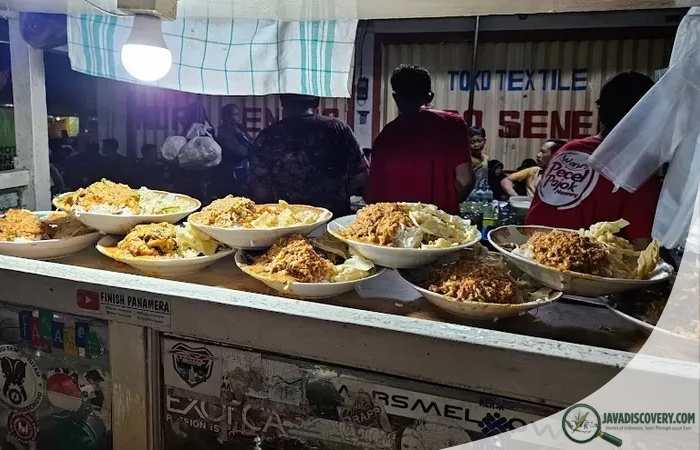
In the heart of Yogyakarta, the first wisps of smoke curl above roadside stalls. Vendors lift sizzling woks filled with mie goreng and sprinkle fragrant herbs into bubbling cauldrons of soto ayam. The warm yellow glow of lamps illuminates smiling faces, while the air hums with the rhythm of a city that never sleeps when it comes to food. This nocturnal awakening is not merely about sustenance; it is an intricate dance of community, tradition, and culinary storytelling.
Sounds and Scents that Define the Night
Java’s night streets are a sensory tapestry. The clatter of woks against stoves forms a percussive heartbeat, punctuated by the occasional shout of a vendor announcing the day’s special. Spices mingle in the humid evening air — the earthy tang of turmeric, the smoky depth of roasted peanuts, and the sharp zest of fresh lime. Each aroma carries stories: from grandparents perfecting centuries-old recipes to young cooks experimenting with fusion flavors.

Signature Dishes of the Night
Mie Goreng and Its Many Faces
The ubiquitous mie goreng, Indonesia’s beloved fried noodle dish, comes alive under the night sky. Street cooks in Surabaya often toss the noodles with sweet soy sauce, slices of tender chicken, and a hint of chili, the wok flames leaping like fire dancers. In smaller towns, local variants might incorporate river prawns or banana blossoms, each plate narrating a tale of local ingredients and preferences. Observing these cooks, one realizes that the dish is more than sustenance; it is a vessel of cultural memory.
Sate: Skewered Stories
As the air cools, skewers sizzle over glowing coals, releasing the smoky aroma of marinated meats. In Semarang, sate ayam glistens under layers of sweet and spicy peanut sauce, while sate kambing carries a gamy, fragrant punch in Solo. Conversations arise between vendor and patron, recipes shared orally, passed down through generations, preserving the soul of Javanese culinary heritage in every bite.
Bakso and the Comfort of Broth
For many Javanese, bakso — the meatball soup — is synonymous with comfort. Nighttime stalls along main streets of Malang serve steaming bowls, each spoonful of savory broth infused with garlic, shallots, and a dash of fried shallot garnish. Patrons slurp while chatting about the day’s events, and the rhythmic clinking of spoons against bowls becomes a nightly ritual, a small yet poignant reminder of the human connection around food.
The Human Stories Behind the Stalls
Behind each dish is a story of dedication and resilience. Many night vendors are multigenerational families who start preparation hours before dusk. In Solo, a grandmother might knead dough for martabak manis while her grandchildren hand over fresh eggs to be fried into golden pancakes. “We cook not just to feed, but to remember our ancestors,” says Pak Darto, a veteran vendor whose stall has been a fixture near the railway station for over four decades. These narratives reveal that street food is as much about memory and identity as it is about flavor.
Women in the Night Kitchens
Women play a pivotal role in Java’s nocturnal culinary life. From slicing spices to stirring massive woks, their hands move with precision, shaped by years of practice. They often navigate dual roles: managing the household while sustaining a small but vital enterprise that feeds dozens nightly. Their stories, often whispered over the hiss of cooking oil, are woven into the very fabric of Java’s night streets.
Cultural Significance of Eating After Dark
In Javanese culture, eating late is more than a convenience; it is a social ritual. Night markets become spaces where laborers, students, and travelers converge, sharing meals and conversations. Eating together reinforces community bonds, allows storytelling, and sustains traditions that might otherwise fade. The act of gathering around a simple stall, sharing a plate of nasi goreng or sate, echoes a timeless rhythm of life where food is central to identity.
Respecting the Night Food Economy
Each vendor operates within fragile ecological and social frameworks. Ingredients are often sourced locally, maintaining sustainability, and the careful use of firewood or charcoal reduces environmental strain. Night street food is an ecosystem: one that balances livelihood, culture, and culinary excellence. Observing this requires respect, attentiveness, and an appreciation for subtle variations in recipes passed down through decades.
The Aesthetic of Nighttime Culinary Java
Visual beauty permeates the night street food scene. Neon signs flicker off damp streets, reflecting on puddles left from an earlier monsoon shower. Steam rises like morning mist from simmering pots, curling around glowing lamps. The color palette of food — bright reds of chili, glossy caramelized sauces, golden fried snacks — contrasts against the muted night backdrop. Street vendors, with weathered hands and animated expressions, become performers in this nightly theater, choreographing each dish with care and flair.
Sounds That Carry the City
Beyond the cooking, the city itself contributes a soundtrack. Motorbikes hum past, interlaced with the clatter of food carts, laughter, and bargaining. Each sound is a layer in the nocturnal symphony, a rhythm that unites vendor and visitor, locals and travelers, in the ephemeral experience of the night. Listening closely, one senses that this is not chaos but an orchestrated expression of communal life.
Learning from the Night
For anyone walking Java’s streets after dark, lessons emerge: patience, observation, and cultural humility. Watching the careful folding of martabak batter, the slow charring of satay over coals, or the layering of ingredients in gado-gado illuminates the artistry behind every plate. Street food, in this context, becomes a teacher, revealing rhythms of daily life, economic realities, and the artistry embedded in survival and tradition.
A Living Tradition
Night street food in Java is a living, breathing tradition. Each stall, each plate, each aroma contributes to a complex narrative of identity, memory, and community. From the bustling avenues of Jakarta to the quieter laneways of Yogyakarta, the nocturnal culinary world continues to evolve while honoring its roots. It is a reminder that the essence of culture is often found in everyday practices — the smells, sounds, and flavors that pass from one generation to the next under the cover of night.
To witness Java’s street food after dark is to immerse oneself in the island’s living culture. It is an exploration of human creativity, resilience, and communal bonds, wrapped in aromas and flavors that awaken every sense. As the night deepens, the streets hum with stories — of vendors, patrons, and the city itself. Each bite, each sizzling moment, becomes a chapter in the ongoing narrative of Java’s nocturnal culinary life.