Why Javanese Food Feels Gentle and Never Truly Bland

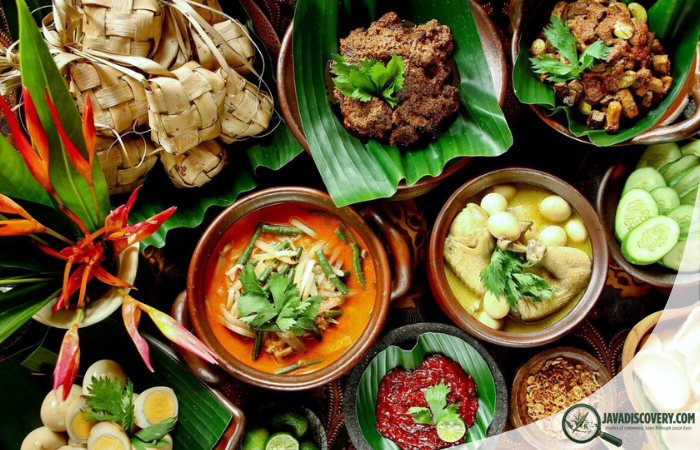
javadiscovery.com – In the early morning markets of Central Java, steam rises softly from woven bamboo baskets. It carries aromas that never shout. There is no sharp sting of chili in the air, no aggressive punch of spices. Instead, the scent is warm, faintly sweet, touched by palm sugar, coconut milk, and freshly pounded herbs. This is the first quiet clue to understanding Javanese food: it does not announce itself. It waits to be noticed.
The First Misunderstanding of Javanese Food
For many visitors encountering Javanese cuisine for the first time, the reaction is often the same. The food is described as “mild,” sometimes unfairly reduced to “bland.” Compared to the fiery heat of Padang dishes or the bold spicing of eastern Indonesian cooking, Javanese meals seem restrained, almost shy. But this judgment is rooted in a misunderstanding — not of taste, but of intention.
Javanese food is not designed to overwhelm the tongue. It is meant to accompany life, not dominate it. Its flavors sit close to the body, unfolding slowly, leaving space for conversation, reflection, and calm. To label it bland is to mistake quietness for emptiness.

Gentleness as a Cultural Value
In Javanese society, gentleness is not weakness. It is an ideal. The concept of alus — refined, smooth, controlled — shapes language, movement, social interaction, and food. To speak softly is respected. To move without excess is admired. To eat in balance is considered wise.
This worldview seeps directly into the kitchen. Strong flavors are tempered. Harshness is softened. The goal is harmony, not domination. Food reflects the same social ethics that guide daily life: avoid extremes, respect balance, and maintain inner calm.
Rasa Is More Than Taste
In Javanese culinary thought, rasa does not refer only to flavor. It is a deeper sensory awareness that includes feeling, intuition, and emotional tone. A dish must feel right, not just taste strong. Sweetness should soothe, saltiness should ground, and spice should warm without aggression.
This is why palm sugar is used generously — not to create dessert-like meals, but to round flavors, to soften edges. Sweetness in Javanese cooking is rarely sharp. It is mellow, earthy, almost meditative.
The Quiet Architecture of Flavor
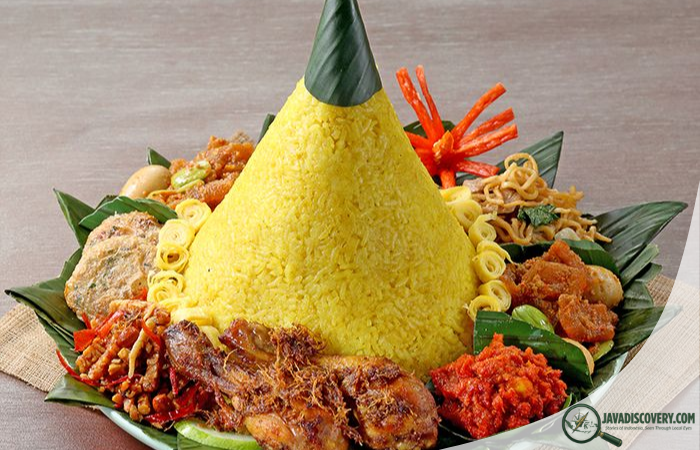
Take a spoonful of gudeg, Yogyakarta’s most iconic dish. Young jackfruit is simmered for hours with coconut milk, palm sugar, teak leaves, and spices. The result is tender, dark, and subtly sweet. Nothing jumps out. Yet the longer it sits on the tongue, the more layers appear — woodiness from the leaves, richness from the coconut, gentle bitterness beneath the sweetness.
This is typical of Javanese cooking. Flavors are built slowly, patiently. Cooking is not rushed. Time is an ingredient, just as important as salt or spice.
Low Heat, High Attention
Chili is present in Javanese cuisine, but it rarely takes center stage. Sambal is served on the side, allowing individuals to choose intensity. This respects personal balance. Heat is optional, not imposed.
The primary focus remains on texture and aroma — the softness of rice, the silkiness of coconut milk, the faint crunch of fried shallots. Eating becomes a tactile experience as much as a gustatory one.
Food as Emotional Regulation
In many Javanese households, food is believed to influence emotional state. Heavy, oily, or excessively spicy dishes are thought to agitate the body. Gentle foods calm it. This belief aligns with traditional Javanese medicine, which emphasizes equilibrium between inner forces.
Meals are meant to sustain daily labor, prayer, and social obligations without overstimulation. A calm stomach supports a calm mind.
Everyday Dishes, Everyday Philosophy
Consider sayur lodeh, a coconut milk vegetable stew often served at home. The vegetables are cut generously, not finely. The broth is light, not thick. The seasoning is subtle. It is food that welcomes repetition, eaten day after day without fatigue.
This repetition is intentional. Javanese cuisine is designed for continuity, not novelty. It supports long lives lived in rhythm.
The Colonial Shadow and the Preservation of Subtlety
During centuries of colonial rule, Javanese kitchens absorbed foreign influences — sugar cultivation expanded, new ingredients arrived, trade altered tastes. Yet the core philosophy remained intact. Rather than adopting sharp European flavors wholesale, Javanese cooks integrated them gently.
Soy sauce, now a defining element of Javanese cooking, became sweeter and thicker than its Chinese ancestor. It adapted to local sensibilities, reinforcing rather than disrupting the existing flavor profile.
Eating Slowly in a Fast World
In today’s Indonesia, where fast food and global trends increasingly shape urban diets, Javanese food can feel out of step. Its softness resists instant gratification. Its sweetness unfolds too slowly for hurried meals.
Yet this slowness is precisely its quiet resistance. To eat Javanese food properly is to slow down, to notice, to sit longer at the table. It invites patience in a culture that once prized it deeply.
The Soundscape of a Javanese Meal
Listen closely during a traditional meal. There is little clatter. Conversation flows gently. Plates are not piled high. The sound of chewing rice blends with distant gamelan music or the hum of cicadas outside. Eating is integrated into the environment, not isolated from it.
Why Bland Is the Wrong Word
Bland suggests absence — a lack of intention, care, or identity. Javanese food is the opposite. Every decision, from ingredient choice to cooking time, is deliberate. What it avoids is excess.
Its gentleness is an expression of cultural maturity. It trusts the eater to pay attention. It does not compete for dominance on the tongue. Instead, it coexists.
Learning to Taste Differently
To appreciate Javanese food fully, one must adjust expectations. Instead of asking, “Is this spicy enough?” the better question is, “How does this make me feel?” The answer often arrives quietly — a sense of warmth, comfort, and groundedness.
In that moment, the misunderstanding dissolves. What once seemed bland reveals itself as deeply intentional, shaped by centuries of philosophy, environment, and lived experience.
The Gentle Legacy on the Plate
Javanese food is a mirror of its people: polite, layered, reserved, and enduring. It carries history without spectacle, wisdom without instruction. Its flavors linger not because they shout, but because they stay.
In a world increasingly drawn to extremes, Javanese cuisine offers another path — one of softness, balance, and quiet depth. It does not ask to be admired loudly. It simply asks to be understood.