Urban Java Where Tradition Survives Inside Modern Cities

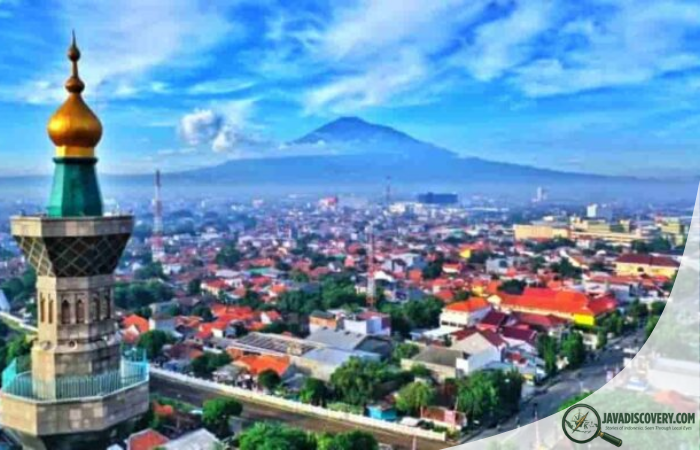
javadiscovery.com – The city wakes before the sun. In a narrow alley behind a main road in Yogyakarta, the smell of fried shallots drifts from a street vendor’s cart, mixing with damp stone and engine smoke. A call to prayer echoes between concrete walls, softened by distance and traffic. Beneath a flickering streetlamp, an elderly man sweeps fallen leaves from the front of a small shrine wedged between a minimarket and a motorcycle repair shop. The city moves fast around him, but his movements follow a rhythm older than the asphalt beneath his feet.
Cities Built on Older Ground
Java’s cities are often described through growth and density. High rise apartments rise where rice fields once reflected the sky. Malls replace markets. Roads widen, then clog again. Yet beneath the layers of concrete and glass lies a much older cultural foundation.
Urban Java did not erase tradition. It absorbed it.

In cities like Yogyakarta, Surakarta, Semarang, and parts of Jakarta, traditional neighborhoods persist within modern grids. Kampung communities exist just meters away from office towers. Their lanes are narrow, shaded, and intimate. Here, social life unfolds at human scale.
Residents greet one another by name. Doors remain open. News travels by conversation, not screens.
The Kampung as Cultural Anchor
The kampung is more than a residential unit. It is a social organism. In urban Java, kampung spaces protect traditional values that might otherwise dissolve under metropolitan pressure.
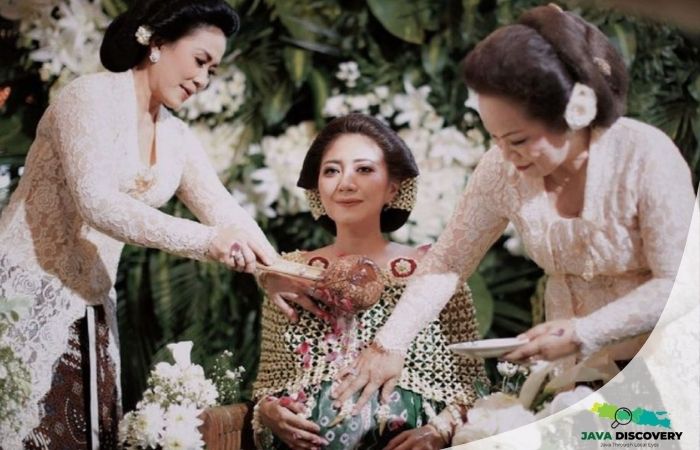
Communal work still happens. Neighbors gather to clean drains before the rainy season. Weddings spill into alleyways. Funerals pause traffic.
“In the kampung, you cannot disappear,” says Pak Hadi, a longtime resident of a central Yogyakarta neighborhood. “People will ask where you are.”
This constant visibility reinforces accountability and mutual care. Even as city life accelerates, kampung culture slows it down.
Rituals Between Concrete Walls
Urban rituals adapt to limited space. Offerings are placed on sidewalks. Ceremonies compress in time and scale.
During certain nights, incense smoke drifts upward between apartment blocks. Small prayer gatherings take place in cramped living rooms. Sacred chants compete with traffic noise.
These rituals are quieter than their rural counterparts, but no less meaningful. They anchor residents to ancestral rhythms.
“We do not need large space,” explains Ibu Rini, who organizes communal prayers in a dense neighborhood. “Intention matters more.”
Traditional Values in Modern Work Life
Many urban Javanese work in offices shaped by global norms. Deadlines, efficiency, and competition dominate daily routines.
Yet traditional values continue to shape behavior. Indirect communication remains common. Confrontation is avoided. Respect for hierarchy persists, even when unspoken.
These values sometimes clash with modern expectations. Younger workers navigate carefully, balancing assertiveness with cultural restraint.
“At work, I must speak clearly,” says Sinta, a young professional in Jakarta. “At home, silence is respect.”
Food as Cultural Continuity
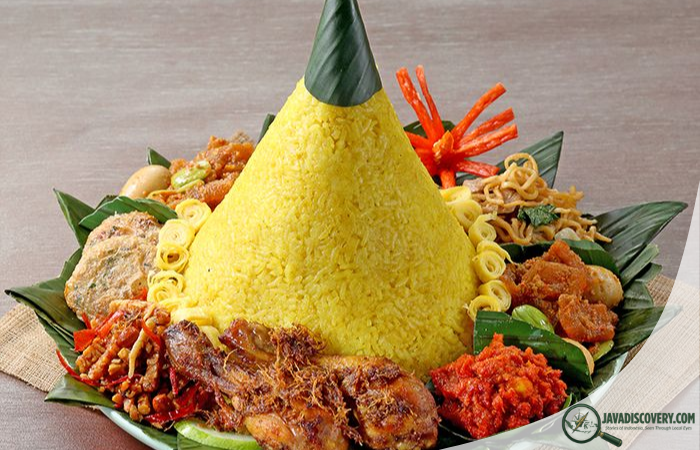
Urban Java eats on the street. Food carts appear at predictable hours. Certain dishes belong to certain times of day.
These patterns are cultural memory in motion. Recipes remain unchanged despite urban surroundings.
In the early morning, rice porridge vendors serve workers heading to offices. Late at night, noodle sellers cater to those returning home.
Food grounds urban residents in familiarity. Amid constant change, taste remains reliable.
Language and Politeness in Crowded Spaces
Urban density complicates traditional language use. Javanese speech levels rely on social context and relationship.
In cities, interactions are brief and anonymous. Indonesian often replaces Javanese as a neutral language.
Yet within families and neighborhoods, traditional speech persists. Elders expect proper forms. Children learn when and where to use them.
Language becomes situational rather than universal.
Faith in the City
Urban spirituality in Java reflects pluralism. Mosques stand beside churches and temples. Calls to prayer echo through commercial districts.
Faith practices adapt to schedules. Prayers happen during lunch breaks. Religious study groups meet after work.
Urban faith is practical, compressed, and resilient.
“We find space where we can,” says a factory worker in Semarang. “God understands the city.”
Art and Expression in Urban Java
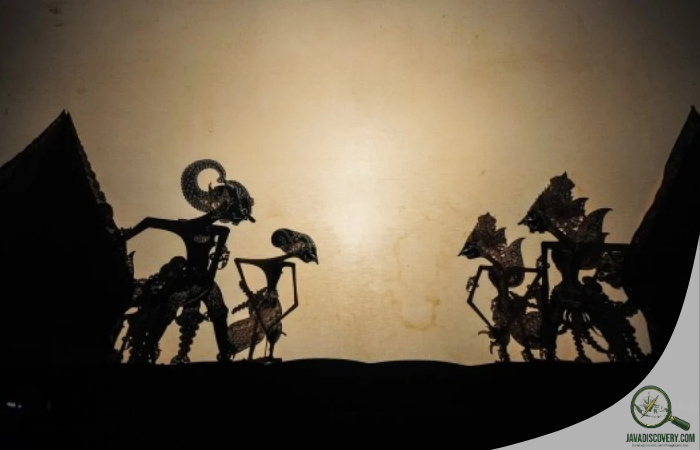
Cities generate new forms of expression rooted in tradition. Traditional music blends with contemporary sounds. Classical dance appears in unexpected venues.
Urban artists reinterpret heritage. They perform in public spaces, adapting scale and format.
“Tradition must speak to now,” says a dancer rehearsing in a community hall. “Otherwise it becomes museum material.”
Generational Negotiation
Younger urban Javanese grow up navigating multiple identities. They move between tradition and global culture daily.
Some distance themselves from inherited practices. Others reclaim them consciously.
What emerges is not rejection, but selection. Traditions that offer meaning survive. Others fade quietly.
Time Moves Differently Here
Urban time is measured in minutes. Traffic lights. Office hours. Schedules.
Traditional time follows cycles. Market days. Religious calendars. Family events.
Urban Javanese live in both. They adapt without fully abandoning either.
A City That Remembers
Java’s cities do not erase memory. They store it in corners, habits, and rituals.
Behind glass towers and busy roads, tradition persists through ordinary acts.
Sweeping a shrine. Sharing food. Choosing silence over confrontation.
Urban Java survives not because it resists change, but because it carries its past quietly forward.