Hidden Archives Preserved Within Javanese Family Lineages

javadiscovery.com – In a quiet corner of a wooden house, a carved chest sits beneath layers of folded cloth. It is rarely opened, and when it is, the act is deliberate. Inside are objects that seem ordinary at first glance. A worn keris, a bundle of yellowing papers, a piece of fabric whose patterns have faded with time. Yet within these items lies something more enduring than their physical form. They carry memory.
Across Java, many families hold their own archives, not in formal institutions or cataloged collections, but within homes, stories, and relationships. These archives are often hidden in plain sight, preserved through care, repetition, and the quiet responsibility of passing knowledge from one generation to the next.
They are not labeled, but they are known.

Archives Without Institutions
Unlike state or academic archives, family-held knowledge does not rely on formal systems of storage or classification. It exists in fragments, distributed across objects, memories, and narratives.
There are no catalog numbers.
No official records.
Yet the meaning is preserved.
Knowledge remains accessible within the family.
Objects as Carriers of Memory
Physical items often serve as anchors for these hidden archives. Objects such as heirlooms, tools, and textiles hold stories that extend beyond their material presence.
A keris may represent lineage.
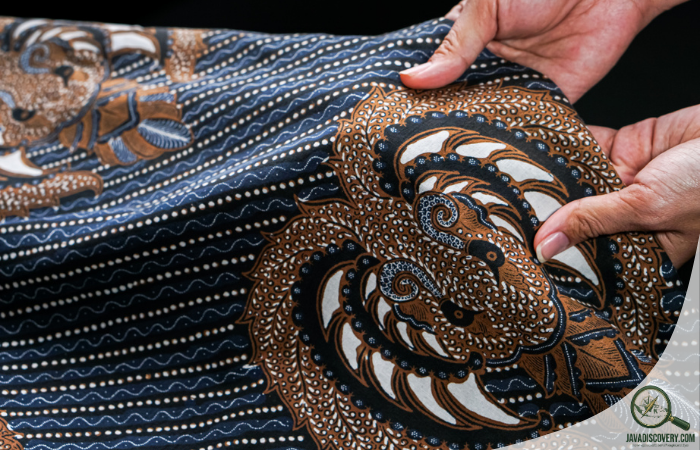
A piece of cloth may mark an event.
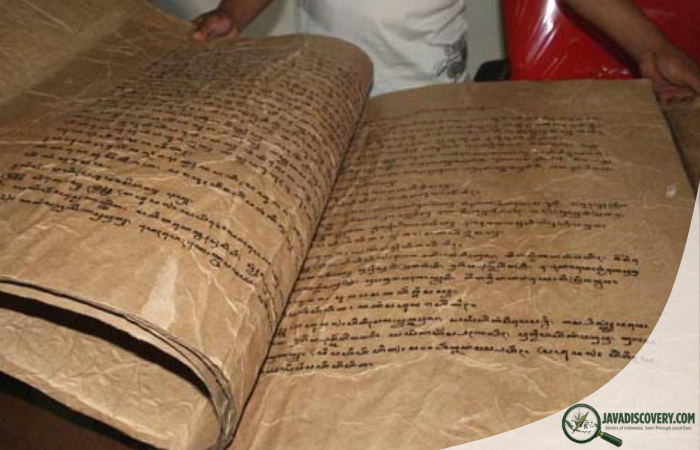
A document may hint at ancestry.
Objects connect past and present.
Oral Narratives and Lineage Stories
Stories play a central role in maintaining these archives. Elders recount events, relationships, and origins through narrative.
Stories explain the significance of objects.
They trace family lines.
They preserve identity.
Memory is spoken into continuity.
The Role of Elders
Elders often act as custodians of family archives. They hold knowledge that is not written down and determine when and how it is shared.
Their memory is valued.
Their timing is deliberate.
Their role carries responsibility.
Knowledge flows through them.
Selective Transmission
Not all knowledge is shared openly. Certain stories or details may be passed only to specific أفراد within the family.
Transmission is controlled.
Access depends on trust.
Timing is important.
Archives are protected through selectivity.
Ritual and Revelation
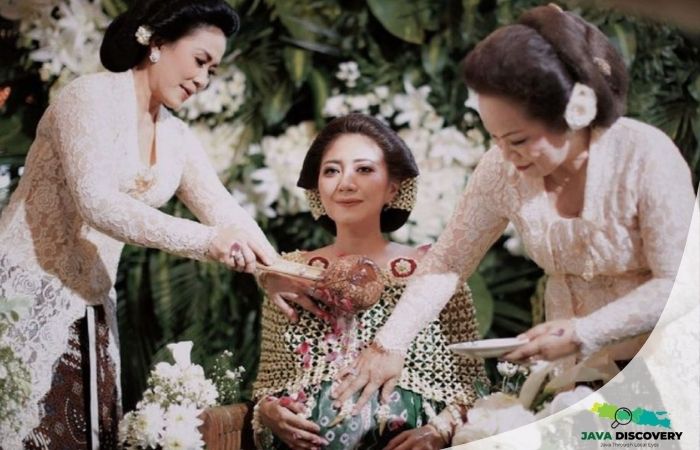
In some cases, knowledge within family archives is revealed during specific moments such as ceremonies or life transitions.
Events create context.
Meaning is emphasized.
Understanding deepens.
Archives become part of lived experience.
Genealogy as Identity
Tracing lineage provides individuals with a sense of identity and belonging. Family archives help define connections across generations.
Names carry significance.
Relationships are mapped through memory.
Identity is constructed through lineage.
History becomes personal.
Fragility and Preservation
These hidden archives are vulnerable. Without written records or formal preservation methods, they depend on continuous transmission.
Memory can fade.
Objects can be lost.
Stories can disappear.
Preservation requires attention.
Adaptation in Modern Contexts
As modern life changes the structure of families and communities, the way these archives are maintained also evolves.
Some are recorded.
Others remain oral.
Technology introduces new methods.
Tradition adapts.
The Quiet Value of Memory
Unlike public history, these family archives are not widely shared. Their value lies in their intimacy and specificity.
They belong to the family.
They shape internal understanding.
They connect generations.
Memory holds meaning.
A Living Archive
As the chest is closed and returned to its place, its contents remain unseen by most. Yet within the family, their significance is clear. Each object, each story, each name forms part of a larger narrative that continues to unfold.
In Java, archives are not always found in buildings or institutions. They exist within homes, carried through voices and preserved through care.
These hidden archives remind us that history is not only recorded in official documents. It is also held within families, quietly sustained across generations, where memory itself becomes the archive.