Why the Baduy Circumcision Ceremony Feels Frozen in Time

javadiscovery.com – There are moments in Indonesia that feel less like tourism and more like stepping quietly into another century.
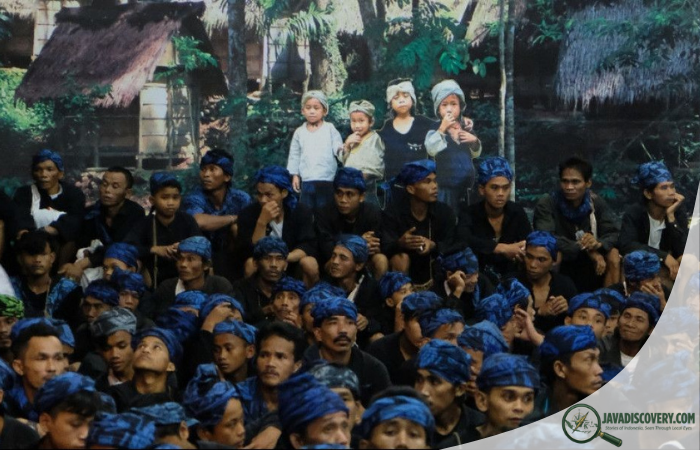
Deep within the forested hills of Banten in West Java, where roads slowly disappear into stone footpaths and modern technology fades into the background, the Baduy people continue to preserve traditions that have survived for generations.
Among the most fascinating is the annual circumcision ceremony held during the sacred month of Kalima.
At first glance, circumcision may sound like an ordinary rite of passage.
But inside Baduy villages, the event transforms into something much larger than a medical procedure.
It becomes a communal gathering.
A spiritual transition.
A reminder that tradition, when protected collectively, can remain alive even in a rapidly modernizing world.
For travelers fortunate enough to witness it, the experience feels deeply human and almost timeless.
The Baduy Way of Measuring Time
To understand the ceremony, visitors first need to understand how the Baduy people understand time itself.
The Baduy community follows a traditional calendar system inherited from their ancestors. A year is divided into twelve months, beginning with Kasa and ending with Hapid Kayu.
Each month carries its own spiritual and social significance.
Important rituals, agricultural activities, fasting periods, and communal ceremonies are all regulated through adat, the customary law that shapes everyday life inside the Baduy world.
Sacred rituals such as Kawalu are held during the months of Karo, Katilu, and Sapar. Meanwhile, the fifth month known as Kalima is considered one of the best periods for communal celebrations and important family events.
That is why the circumcision ceremony takes place during this specific time.
For outsiders, choosing a date may seem practical.
For the Baduy people, timing carries spiritual meaning.
The ceremony marks an important stage in the journey of boys becoming true members of the Baduy community.
A Calendar Guided by Adat
Life inside Baduy does not move according to the rhythm of smartphones, office schedules, or traffic lights.
It follows ancestral calculations passed down across generations.
The planting season, ritual fasting, village gatherings, and traditional ceremonies are all interconnected.
This deep relationship between nature, spirituality, and community is one reason why many researchers and cultural travelers become fascinated with Baduy society.
Time here feels slower.
But also more intentional.
More Than a Religious Ritual
One of the most surprising aspects of the Baduy circumcision ceremony is the cultural complexity behind it.
The Baduy people are strongly associated with Sunda Wiwitan, one of the oldest indigenous belief systems in West Java.
Yet circumcision has long existed as part of Baduy social life.
This reveals something important about Indonesian culture: traditions are rarely simple or isolated.
Communities evolve through centuries of interaction, adaptation, and exchange.
Rather than erasing older beliefs, many traditions blend together and become part of local identity.
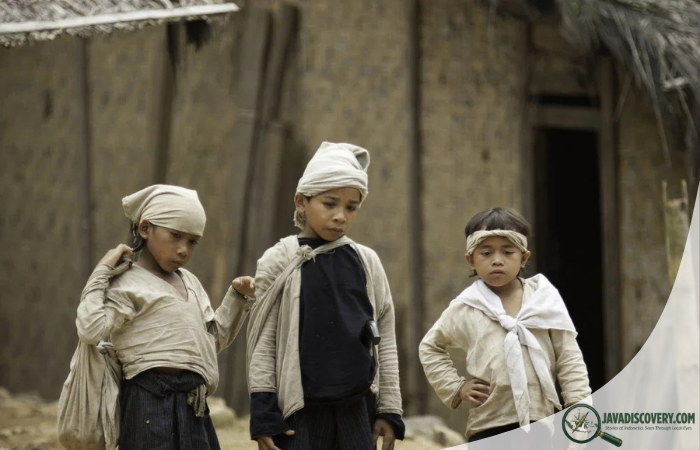
Inside Baduy customary values, boys between the ages of three and ten are expected to undergo circumcision during the appropriate ceremonial period.
The event symbolizes not only physical change, but social responsibility and maturity.
Becoming a True Baduy Man
For Baduy families, the ceremony represents a meaningful transition in life.
Parents, relatives, and neighbors all become involved in supporting the children emotionally and practically.
Unlike modern urban life, where milestones often happen privately, important moments inside Baduy society remain deeply communal.
The entire village participates.
And that collective atmosphere becomes one of the most emotionally powerful parts of the experience.
Months of Preparation Before the Ceremony
Long before the ceremony begins, preparations quietly unfold across the village.
For the 2026 ceremony, villagers reportedly began collecting firewood as early as April.
At first, this may sound ordinary.
But in Baduy culture, preparation itself carries meaning.
Every bundle of wood represents contribution.
Every helping hand represents solidarity.
Unlike modern events measured by sponsorships and decoration budgets, community gatherings in Baduy are measured through participation and cooperation.
The ceremony becomes possible because everyone contributes.
The Meaning Behind the Firewood
The collected firewood is not simply fuel for cooking.
It symbolizes gotong royong, the Indonesian tradition of communal cooperation.
Families gather resources together, prepare meals together, and support one another naturally.
For many foreign visitors, this spirit feels increasingly rare in the modern world.
In cities, individualism often dominates daily life.
Inside Baduy villages, community still comes first.
The Helaran Procession Through the Village
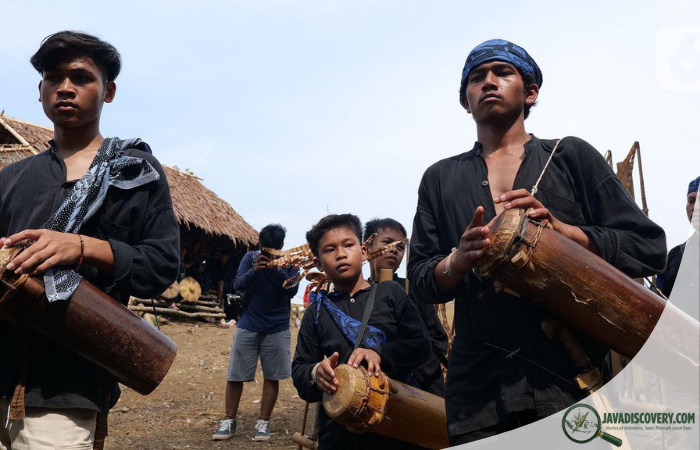
The cultural atmosphere begins intensifying during the traditional helaran procession.
As villagers move through narrow pathways between bamboo houses, the atmosphere transforms into something visually unforgettable.
Traditional white and black Baduy clothing contrasts beautifully against the surrounding green hills.
Bamboo instruments echo softly through the village.
Children gather curiously near the procession while families observe quietly from their homes.
Nothing feels staged.
Nothing feels commercialized.
And perhaps that authenticity is exactly what makes the experience feel so powerful.
A Tradition Untouched by Tourism
Many cultural performances around the world are redesigned for tourism.
But the Baduy circumcision ceremony still feels raw and genuine.
Visitors are not watching actors on a stage.
They are witnessing real community life.
This authenticity attracts photographers, anthropologists, documentary filmmakers, and travelers searching for experiences beyond ordinary sightseeing.
The visual atmosphere itself feels extraordinary.
Mist drifting through the hills.
Wooden houses without electricity.
Villagers moving quietly along stone paths.
It feels less like entering a tourist destination and more like entering another rhythm of life entirely.
Dawn Rituals Before the Circumcision
Before sunrise on the day of the ceremony, Baduy villages already begin to stir.
Cold mountain air moves through the hills.
Smoke from wood fires slowly rises into the morning mist.
Footsteps echo softly along village paths as families prepare for the long day ahead.
The boys who will undergo circumcision first participate in a traditional bathing ritual.
This moment carries deep symbolic meaning within Baduy custom.
The Sacred Bathing Ritual
The ritual is led by the bengkong, the traditional circumcision elder responsible for guiding the process.
The bathing ceremony represents purification and readiness before entering an important new phase of life.
It is not treated casually.
Instead, it reflects how spirituality remains deeply woven into everyday Baduy life.
As the morning continues, communal cooking begins using the firewood collected months earlier.
The atmosphere becomes busy but warm.
Children appear nervous.
Parents offer encouragement.
Neighbors naturally help one another.
For many visitors, this collective experience becomes unforgettable because it reveals something increasingly uncommon in modern society: a community that still experiences life together.
Why Travelers Become Fascinated by This Ceremony
The fascination surrounding the Baduy circumcision tradition is not about the procedure itself.
It is about witnessing a society that still follows values and rhythms different from the modern world.
The Baduy people are internationally known for preserving traditional lifestyles. Certain Baduy communities continue rejecting vehicles, electricity, modern gadgets, and many forms of outside technology.
Inside that environment, the circumcision ceremony feels almost untouched by time.
Not primitive.
Simply different.
And in an era where authentic cultural experiences are becoming increasingly rare, that difference feels deeply meaningful.
Researchers find anthropological insight.
Photographers discover powerful visual stories.
Filmmakers encounter genuine human narratives.
And ordinary travelers often leave with a different perspective about simplicity, togetherness, and community.
A Tradition That Quietly Survives Modernity
On paper, the Baduy circumcision ceremony may sound like a simple village tradition.
But standing inside the village tells a completely different story.
You hear bamboo instruments drifting through the hills.
You smell smoke from communal cooking fires prepared months in advance.
You watch families gathering together before sunrise.
And slowly, you realize the ceremony is not really about circumcision alone.
It is about humanity.
About belonging.
About traditions surviving quietly while the modern world moves faster each year.
Perhaps that is why so many visitors leave Baduy feeling emotionally connected to the experience.
Because inside these villages, culture is not preserved inside museums.
It is still being lived.
Far from the noise of modern cities, the Baduy people continue protecting a way of life that reminds the world something essential: tradition survives not because it resists change completely, but because communities choose to protect its meaning together.