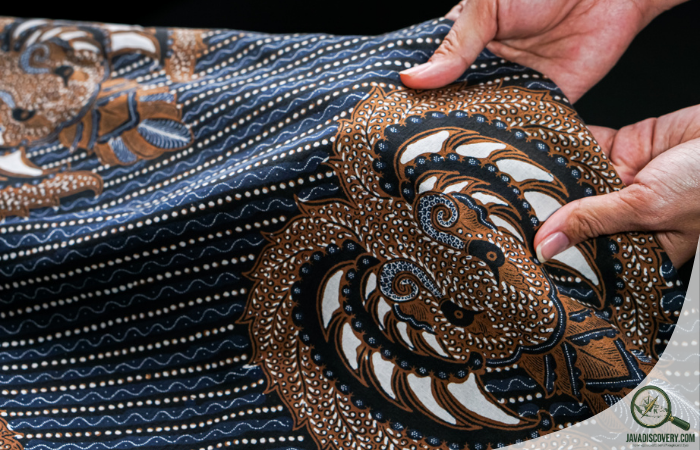
The Living Rhythm of Java Through the Sacred Slametan Meal

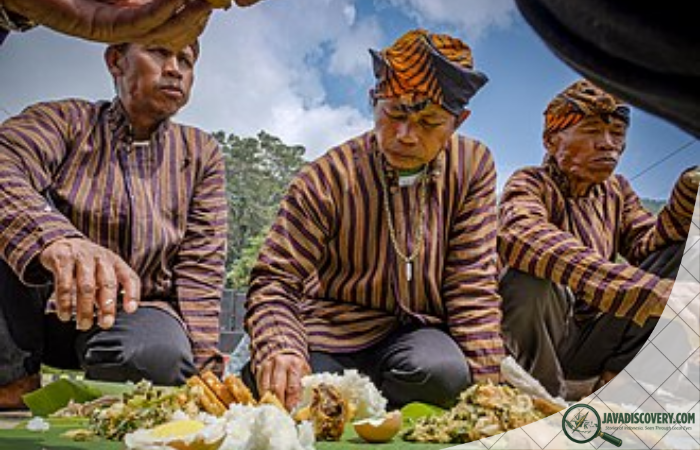
javadiscovery.com – Beneath the heavy, humid air of a Central Javanese evening, the scent of burning incense mingles with the rich, fatty aroma of turmeric infused rice and slow simmered chicken. In the dim light of a village living room, a circle of men sits cross-legged on woven pandanus mats, their shoulders nearly touching as they create a human ring of solidarity. There are no chairs, no hierarchy of seating, and for these few hours, no individual concerns that outweigh the collective peace of the neighborhood. This is the slametan, a ritual communal feast that has served as the bedrock of Javanese social life for centuries, acting as a spiritual anchor in an ever changing world.
The Sacred Geometry of the Circle
The slametan is not merely a dinner party or a casual social gathering. To the Javanese, it is a focused attempt to achieve “slamet,” a state of being that translates roughly to “safe,” “peaceful,” or “beyond the reach of misfortune.” The ceremony is a profound intersection of ancient indigenous beliefs, Islamic prayer, and Hindu Buddhist remnants that have layered upon the island like the volcanic soil that feeds its people. When a family hosts a slametan, they are inviting the universe to witness their intention to remain in harmony with their neighbors, their ancestors, and the divine.
The physical arrangement of the event is the first clue to its importance. By sitting on the floor in a circle, the participants eliminate the visual cues of status. The wealthy landowner sits beside the day laborer; the village elder sits across from the young father. This communal leveling is essential. In Javanese philosophy, social friction is a source of “panas” or heat, which leads to spiritual vulnerability. The slametan provides the “adem” or coolness required to keep the community stable. As the local modin, or religious leader, begins the opening incantations, the room falls into a heavy, respectful silence. The air becomes thick with the gravity of the spoken word, as prayers in Arabic are punctuated by explanations in high Javanese, ensuring that both the heavens and the humans present understand the purpose of the night.
The Tumpeng as a Microcosm of the Universe
At the center of the circle sits the centerpiece of the ritual: the Tumpeng. This cone of yellow rice, stained bright by fresh turmeric and shaped into a sharp peak, is a direct representation of Mount Meru, the sacred mountain of the gods. In a land defined by its volcanoes, the Tumpeng is a culinary echo of the landscape. Surrounding the base of the rice cone is an intricate garden of side dishes, each carrying its own symbolic weight. There are “urap” vegetables mixed with shredded coconut, representing the diversity of life growing on the mountain slopes, and “sambal goreng,” providing the fire and energy of the earth.
The preparation of this food is a feat of communal labor known as “gotong royong.” Long before the first guest arrives, the women of the neighborhood have been gathered in the host’s kitchen. For two days, the sound of stone pestles hitting mortars has echoed through the walls as garlic, shallots, and chili are ground into fine pastes. This “behind the scenes” slametan is where the women bond, sharing stories and reinforcing the social ties that keep the village functioning. By the time the rice is molded into its final cone, it has been infused with the collective energy of the community. It is no longer just food; it is a vessel for shared merit.
The Language of Ingredients
Every element on the slametan tray speaks a silent language. The presence of “ingkung” chicken, a whole bird cooked in thick coconut milk, signifies the wholeness of the human soul. The chicken is typically placed in a tucked position, resembling a person in prayer or a child in the womb, symbolizing humility before the Creator. Even the snacks served before the main meal, such as “pisang raja” or king bananas, are chosen for their names and associations with nobility and good fortune. To eat at a slametan is to ingest a series of prayers and well wishes, turning the act of consumption into a spiritual fortification.
A Bridge Between the Visible and Invisible
Javanese spirituality, or Kejawen, posits that we live in a world where the boundary between the living and the dead is porous. The slametan is the primary bridge across that divide. Whether the occasion is a birth, a wedding, a death, or the moving into a new house, the ceremony always involves an invitation to the ancestors. Small offerings known as “sajen” are often placed in the corners of the room or under the main table. These offerings of petals, coffee, and tobacco acknowledge that the spirits of the forefathers are still present, watching over the continuity of the lineage.
During the “ujub,” or the statement of intent, the host explains exactly why the community has been gathered. If it is a “mantenan” (wedding) slametan, the host asks for the protection of the couple. If it is a “nyewu” (thousand day) ceremony after a death, the focus shifts to the final release of the soul into the afterlife. The beauty of the slametan is its adaptability. It is a ritual that has survived the arrival of global religions by absorbing them. The Islamic “Tahlilan” prayers fit perfectly into the ancient Javanese structure, creating a unique syncretic harmony that is the hallmark of the island’s identity.
The Distribution of Barakah
Perhaps the most significant moment of the slametan occurs not when the food is eaten, but when it is divided. In many modern slametans, the guests eat only a small portion of the food at the host’s house. The majority is packed into “berkat” boxes made of bamboo or plastic to be taken home. This ensures that the “barakah,” or blessing of the meal, extends beyond the men in the circle to their wives, children, and elderly parents who could not attend. It is a ripple effect of goodwill that spreads through the entire village in a single night.
This distribution is a vital economic and social stabilizer. In traditional Javanese society, wealth was often measured not by what one kept, but by how many slametans one could host. By feeding the neighborhood, a family earns “social capital” and ensures that if they ever fall on hard times, the community will be there to catch them. It is an informal insurance policy wrapped in the guise of a dinner party. The “berkat” box is a physical reminder of one’s belonging; to be left out of a slametan is to be effectively cast out of the social fabric of the village.
The Resilience of Tradition in the Modern Age
As Java’s cities grow and the digital world encroaches on village life, critics often wonder if the slametan will become a relic of the past. In Jakarta or Surabaya, the “circle on the floor” is increasingly replaced by buffet tables in air conditioned halls. Yet, even in the heart of the concrete jungle, the essence remains. Modern Javanese professionals still hold slametans when they start a new business or buy a new car, though they might cater the food rather than pound the spices themselves. The impulse to seek “slamet” through a shared meal is a deep seated psychological need that technology cannot satisfy.
In the villages of Gunung Kidul or the foothills of Mount Lawu, the tradition remains stubbornly unchanged. The sound of the wooden “kentongan” drum still signals the start of the gathering, and the smell of teak wood fires still flavors the rice. The slametan survives because it solves a universal human problem: the fear of isolation. In the circle, no one is alone. In the sharing of the rice, no one is forgotten. It is the ultimate social glue because it addresses the physical, social, and spiritual hunger of the people all at once.
The Future of the Communal Table
Looking forward, the slametan serves as a model for social cohesion that the rest of the world might learn from. In an era of increasing polarization, the Javanese practice of “musyawarah” (deliberation) and “mufakat” (consensus) through the communal meal offers a pathway to peace. It proves that when people sit together, pray together, and eat from the same tray, the “heat” of conflict inevitably cools. The anatomy of the slametan is the anatomy of Java itself: complex, layered, deeply spiritual, and fundamentally rooted in the power of the collective.
As the last guest leaves the house, clutching his berkat box under his arm, the night air feels a little lighter. The prayers have been sent, the ancestors have been honored, and the neighborhood has been reaffirmed. In the quiet darkness of the Javanese countryside, the slametan has once again done its work, weaving the individual threads of the community back into a single, unbreakable cloth.
Category: Culture
Writer: Anita Surachman
A. SEO Title
The Sacred Slametan Ritual Why Java Shared Meal Heals Society
B. Meta Description
Discover the slametan, Java’s ancient communal feast. Explore how this ritual meal of turmeric rice and prayer creates unbreakable social bonds and spiritual peace.
C. Meta Keywords
Javanese slametan, communal meal Java, Tumpeng rice meaning, Javanese culture rituals, Kejawen spirituality, Indonesian social traditions, slametan ceremony
D. Excerpt
Discover how the Javanese slametan meal binds a community in spiritual harmony.
F. Focus Keyword
Slametan