The Emergency Ruwat Swakerta: Self-Performed Cleansing When No Dalang is Near

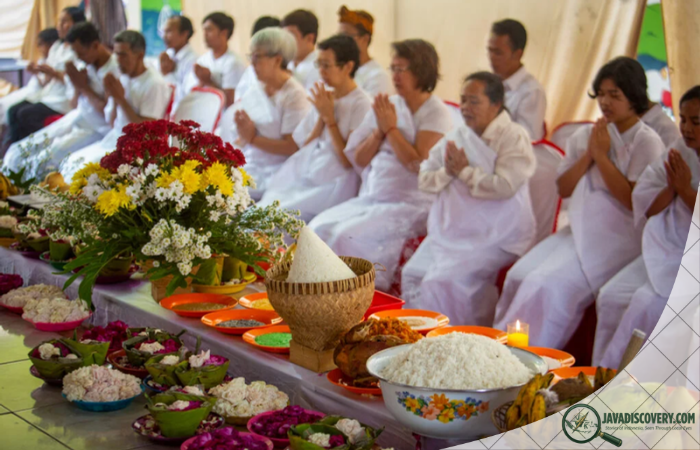
javadiscovery.com – Deep in the rural heartlands of Central Java, when a family or village community finds itself struck by a sudden wave of misfortune—a string of sudden illnesses, mysterious crop failures, or the birth of an “sukerta” child (one spiritually vulnerable to bad luck according to Javanese tradition)—the customary course of action is clear: summon a Dalang Ruwat. This master puppeteer, steeped in sacred lore, performs the grand Wayang Murwakala shadow puppet ritual to cleanse the afflicted and restore cosmic balance. But what happens when catastrophic circumstances strike, or when remote highland settlements lack access to a consecrated master dalang? In these urgent moments, Javanese spiritual traditions allow for an emergency recourse: Ruwat Swakerta, the self-performed spiritual cleansing ritual.
The Philosophy of ‘Swakerta’ (Self-Restoration)
The term Ruwat translates to unbinding, freeing, or restoring to original purity, while Swakerta literally means “self-enacted” or “self-fashioned.” In classic Kejawen philosophy, the human body and mind (the Jagad Cilik or Microcosm) mirror the wider universe (the Jagad Gede or Macrocosm). While a grand Ruwat Murwakala uses the dalang as a grand intermediary to invoke divine protection, Ruwat Swakerta rests on a fundamental principle: when survival is at stake and formal spiritual authority is unreachable, the sincere, humble intention (niat unggel) of an individual or household head holds direct resonance with the Divine Creator (Gusti Kang Maha Kuasa).
Rather than relying on elaborate shadow puppet stages or high royal formulas, Ruwat Swakerta strips the cleansing process down to its bare, elemental essentials: water, fire, earth, and heartfelt prayer. It is spiritual emergency triage, designed to hold back negative influences until a full ceremonial cleansing can be performed, or to serve as a complete purification in its own right for isolated rural families.
The Core Elements of the Emergency Ritual
When a village elder or household head decides to execute a Ruwat Swakerta, the ritual is usually conducted at dawn or midnight on auspicious days such as Malam Jumat Kliwon or during a seasonal transition. Despite lacking a formal dalang, the ritual meticulously uses local, accessible elements to channel spiritual intent:
1. Banyu Tujuh Sumur (Water from Seven Wells)
In place of sacred water blessed by a puppeteer, family members collect water from seven separate natural springs, wells, or clean riverways in early morning total silence (tapa bisu). Water represents the ultimate solvent of spiritual stagnation. The gathered water is combined in a large earthenware jar (gentong) and strewn with kembang setaman—fresh petals of rose, jasmine, cananga, and kantil flowers.
2. Sesuci/Siraman (The Cleansing Bath)
The individual seeking purification sits on a low wooden stool, often facing east toward the rising sun. The eldest family member or a respected village elder pours the flower-infused water slowly over the person’s head, shoulders, and back while reciting low, heartfelt prayers in Javanese or Arabic, asking for the dissolution of bad karma, inherited curses, or environmental disharmony. Each ladleful of water is intended to wash away a layer of spiritual heaviness.
3. Cuts of Hair and Cloth (Ratan & Cukuran)
A critical phase of any ruwatan is the physical symbolic removal of bad luck. In Ruwat Swakerta, a small lock of hair is clipped from the crown of the individual’s head, and a small strip of fabric from an old, well-worn shirt is cut away. These items, representing the old, afflicted self, are wrapped inside a fresh banana leaf alongside a pinch of raw rice and turmeric.
4. Larungan (The Release)
Without the formal altar of a wayang performance, the banana leaf package is carried to a moving river or the ocean and set adrift (dilarung). As the package floats away down the current, it signifies the absolute release of misfortune back into the elements of nature, leaving the individual clean and reset.
The Adaptability of Javanese Tradition
The existence of Ruwat Swakerta highlights a defining characteristic of Javanese cultural heritage: its profound flexibility and pragmatic resilience. While formal hierarchy and elaborate courtly rituals are deeply respected, Javanese tradition never leaves its people stranded without spiritual options in times of crisis.
Through Ruwat Swakerta, the ancestral wisdom teaches that true purification does not reside solely in expensive theater setups or elite practitioners, but in the purity of the human heart, the humility of one’s prayers, and an enduring harmony with the surrounding natural world.