Phonetic Purity in Jawa Ngapak: How the Banyumasan Dialect Preserves Ancient Pre-Mataram Vocalization

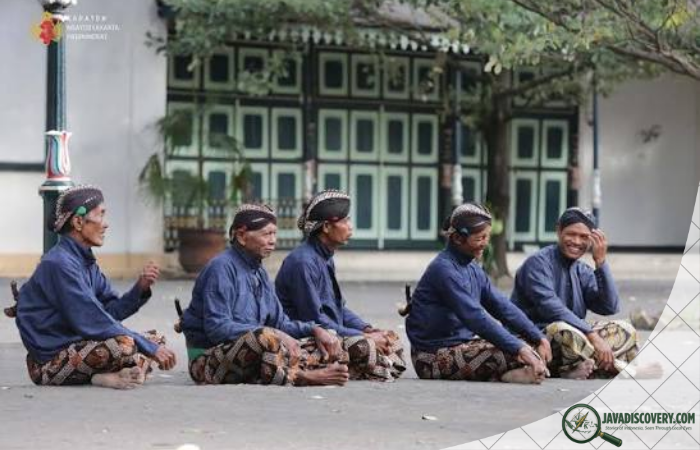
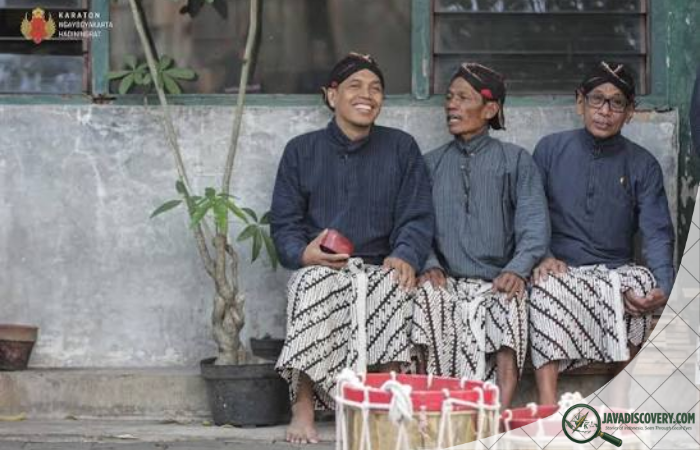
javadiscovery.com – Travel westward from the refined royal heartlands of Yogyakarta and Surakarta into the lush, mountainous basins of the Serayu River valley—encompassing Banyumas, Purwokerto, Cilacap, Purbalingga, and Brebes—and the linguistic atmosphere changes instantly. The soft, rounded, melodious cadence of Central Javanese gives way to a sharp, rhythmic, and uncompromisingly direct vocalization. Words hit the ear with crisp, glottal finality: “Inyong mboan ora ngandel!” To casual tourists or urban speakers accustomed to courtly standards, this regional dialect—affectionately and colloquially dubbed Jawa Ngapak—is often caricatured as rural, humorous, or rustic. Yet, behind its expressive public image lies a profound linguistic truth: Banyumasan Javanese is not a degraded or lazy variation of standard Javanese. It is a living linguistic fossil that has preserved the phonological purity and phonetic architecture of ancient pre-Mataram Old Javanese (Kawi) far more accurately than the court registers of the east.
The Phonetic Divergence: Terminal ‘A’ vs. Open ‘O’
The most defining phonetic hallmark of Jawa Ngapak is its unyielding preservation of the open terminal vowel /a/. In modern Standard Javanese (the court register developed under the New Mataram Sultanate in Central Java), the original final vowel /a/ shifted almost universally to a rounded open-mid back vowel /ɔ/ (pronounced like the “o” in the English word “thought” or “ball”). Thus, historical words spelled with a final “a” transformed acoustically in Solo and Jogja: sega became sego (rice), maca became maco (read), and apa became apo (what).
In Banyumasan speech, however, no such vowel shift ever took place. A speaker from Purwokerto pronounces sega, maca, and apa with the clear, open, unrounded front vowel /a/—exactly as those words were written on 9th-century stone inscriptions during the Medang (Ancient Mataram) Kingdom and in classical Majapahit literature. When a Ngapak speaker says “sega gandum”, their vocal tracts are replicating the exact phonetic values used by Javanese ancestors over a thousand years ago, long before royal court linguists reshaped standard vocalization.
The Power of the Full Glottal Stop
Beyond vowel purity, Jawa Ngapak is renowned for its forceful, articulated glottal stops and unsoftened final consonants—a phenomenon known linguistically as basa ngapak-ngapak (referring to the sharp, snapping sound of the letter ‘k’). In Standard Javanese, final consonants, particularly /k/, /t/, and /p/, are softly aspirated or muted into weak glottal glides. The word for “batik” in Surakarta ends softly, almost dissolving in the throat.
In Banyumasan speech, final plosives and glottal consonants are fully voiced and sharply clipped. The word bapak (father) is pronounced with a crisp, emphatic hard final /k/ rather than a soft fade; anak (child) and lapak retain their full, rigid consonantal boundaries. Linguists note that this firm, non-softened consonant articulation mirrors the exact phonetic structure of Old Javanese poetry, where meter and rhyme relied on rigid, distinct consonant endings to maintain rhythmic integrity across sung verses (Kakawin).
Geographical Isolation as a Preservation Shield
How did the western regions of Central Java manage to retain these ancient phonetic structures while the eastern plains adopted radical phonological shifts? The answer lies in historical geography and political distance.
During the 16th and 17th centuries, the rise of the Islamic Mataram Sultanate in Central Java initiated a period of intense cultural and linguistic refinement centered around the royal palaces (kraton). Court scholars, poets, and administrators engineered complex speech tiers (Krama and Krama Inggil) and adopted rounded vocalizations to project courtly elegance and social hierarchy. This stylistic shift radiated outward along royal trade routes, transforming everyday speech in surrounding territories.
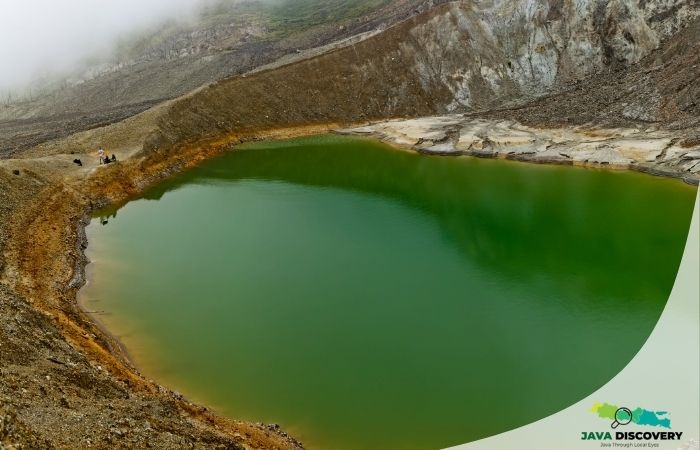
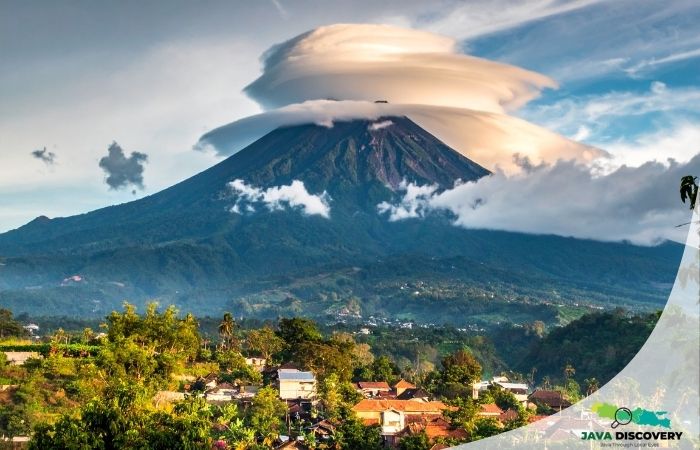
However, the Banyumas region was geographically separated from the Mataram heartland by formidable natural barriers: the dense forests of Mount Slamet, treacherous river basins, and the rugged mountain passes of the North and South Serayu ranges. Furthermore, Banyumas maintained strong cultural ties with the neighboring Sundanese realms to the west. This geographical and political buffer allowed the local population to remain largely insulated from the linguistic reforms imposed by Mataram court grammarians. While the court nobility in Jogja and Solo systematically altered their vowels and softened their consonants, the farming communities and river traders of Banyumas kept speaking the unadorned, direct language of their ancestors.
Linguistic Egalitarianism: The Pre-Feudal Spirit
The preservation of ancient vocalization in Jawa Ngapak is inseparable from its social grammar. Modern Standard Javanese is heavily stratified, requiring speakers to constantly shift between Ngoko, Krama, and Krama Inggil depending on age, wealth, and status. By contrast, Banyumasan Javanese retains a remarkably egalitarian structure.
While Krama forms exist in Banyumas, the regional dialect relies heavily on a shared, highly direct vocabulary where personal pronouns like inyong or sun (I/me) and rika or ko (you) are used across social boundaries with minimal feudal posturing. Sociolinguists emphasize that inyong is directly derived from the Old Javanese ingwang or mwang, representing an archaic form of self-reference that predates the highly stratified court pronouns invented in later centuries.
In this sense, Jawa Ngapak preserves not only the sound of pre-Mataram Java, but also its socio-cultural philosophy: a world where speech was a tool for direct, honest communication among community members, rather than a instrument for maintaining rigid class divides.
Reclaiming Pride in the Ancient Tongue
For decades during the late 20th century, national television and popular media in Indonesia frequently stereotyped Jawa Ngapak, using its distinct phonetic sharpness for comedic effect or portraying its speakers as simple rural laborers. However, recent years have witnessed a powerful cultural renaissance across the Banyumasan diaspora.
Younger generations of writers, musicians, content creators, and academics in Purwokerto and Cilacap are celebrating their dialect’s ancient heritage. Slogans like “Ora Ngapak, Ora Penak!” (If it’s not Ngapak, it’s not right!) have evolved from quirky regional catchphrases into bold declarations of cultural pride. Academic institutions in Central Java now host dedicated research symposiums highlighting the critical role Banyumasan Javanese plays in reconstructing Old Javanese etymology and historical phonology.
To listen to Jawa Ngapak spoken in a bustling marketplace in Banyumas today is not to hear a regional deviation from a courtly ideal. It is to hear the echo of ancient Java itself—unbroken, resonant, and standing as a living monument to the island’s deep linguistic history.